
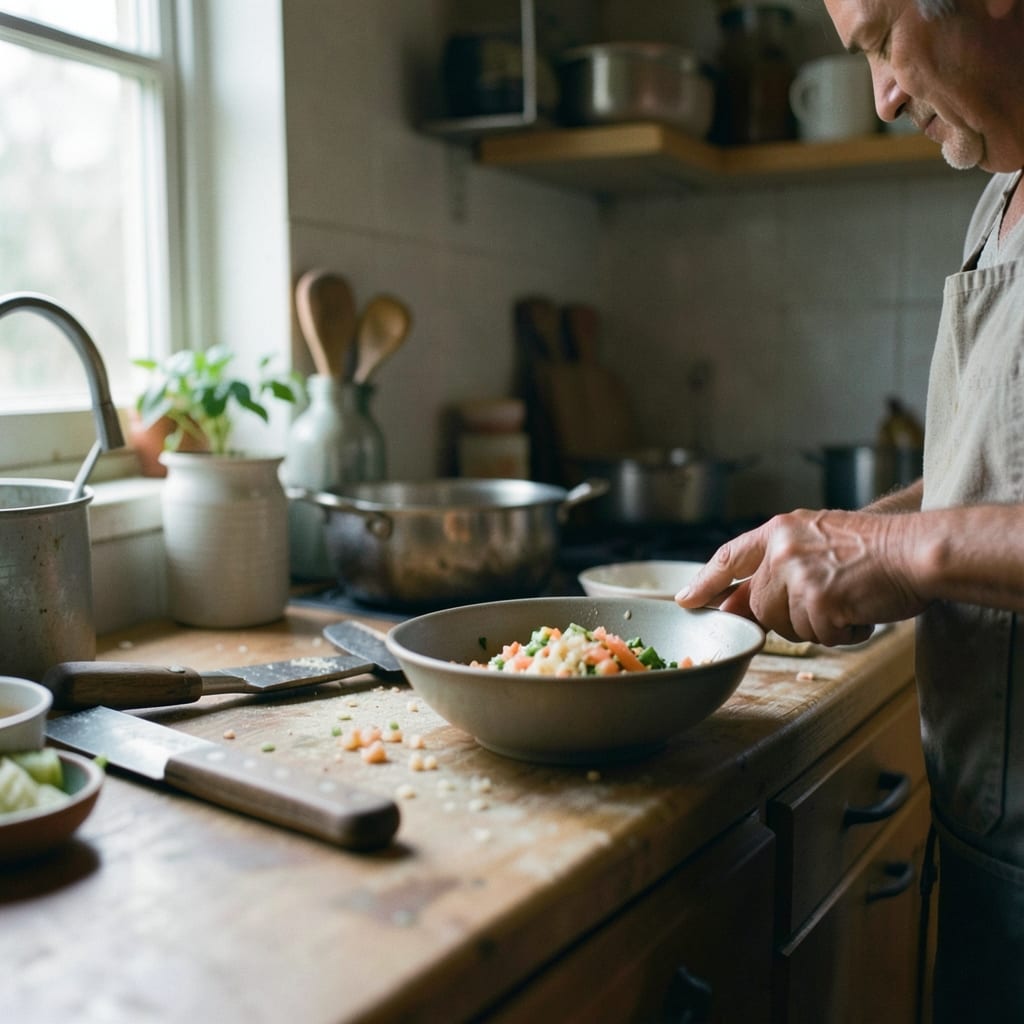
Welcome to Recipes Anchor
You’ve found a recipe that sounds perfect—maybe it’s a dish that’s been in your family for generations, or a modern twist that’s been teasing you from a food blog. But when you start cooking, something goes wrong. The spices lose their punch after five minutes.
The wok’s heat dies before the stir-fry is done. The instructions assume you already know how to balance umami and chili without burning the garlic.
Here, every recipe is built to survive the real kitchen: the uneven heat, the distracted hands, the ingredients that don’t always arrive at their best. We don’t just tell you what to do—we show you how to make it work, even when the night isn’t going to plan.
Our story
The first draft of this site was a single Google Doc passed between three friends after a dinner where the takeout had arrived soggy and the homemade attempt had flopped. The problem wasn’t the recipes—it was the missing context.
No one had mentioned that the wok needed preheating for *ten minutes* with the lid off, or that the chili flakes should go in last, not first.
The turning point came at 2 AM in a dimly lit kitchen in Portland, where Trisha burned the second batch of garlic chili tofu because she’d read the recipe too fast.
The next morning, she rewrote the steps with timestamps, heat notes, and a warning about ‘the 30-second window where the wok’s soul leaves the building.’ That’s when the site stopped being a side project and became something real.
Now, the kitchen table where it all started is covered in sticky notes with timings and ‘DO NOT SKIP’ flags. The first 50 recipes were all dishes that had failed somewhere—until they didn’t.
What we stand for
We believe cooking should feel like a conversation, not a test. The best recipes don’t just give you ingredients; they explain *why* they work together, and what happens if you don’t have the right tool.
Here, you’ll never see a step that assumes you know how to ‘deglaze the pan properly’—we’ll tell you to add the wine *after* the meat is browned, not before.
What you will always get here
- Recipes that work the first time, even if your oven runs hot.
- Spice blends and techniques broken down like they’re being taught in a kitchen.
- A ‘What Could Go Wrong’ section in every guide—because it always does.
- No jargon, no ‘foolproof’ lies, and no photos that look like they were taken in a food studio.
Meet the team

Behind every recipe is a group of people who’ve spent years figuring out what happens when you *actually* cook—messy kitchens, distracted hands, and all. They’re not chefs by trade, but they’ve burned enough batches of garlic to know the difference between a ‘light char’ and ‘everything is ruined.’
Trisha Lockhart
Trisha Lockhart is the founder and editor of *Recipes Anchor*, though she’d rather be called the ‘official wok whisperer.’ She started testing recipes after a string of failed dinner parties where the guests’ plates looked better than what they ate.
Her background in food writing means she notices the small things—like why a recipe says ‘medium heat’ but the wok needs ‘high for 30 seconds, then immediately reduced.’
Her desk is a graveyard of half-used spice jars, a timer that’s always running, and a framed photo of her first burned garlic chili tofu. She still gets the timing wrong on stir-fries, but now she knows *why*—and how to fix it.
The best recipes aren’t about perfection—they’re about making it work, even when the night isn’t going to plan.
Trisha Lockhart
How we create our content
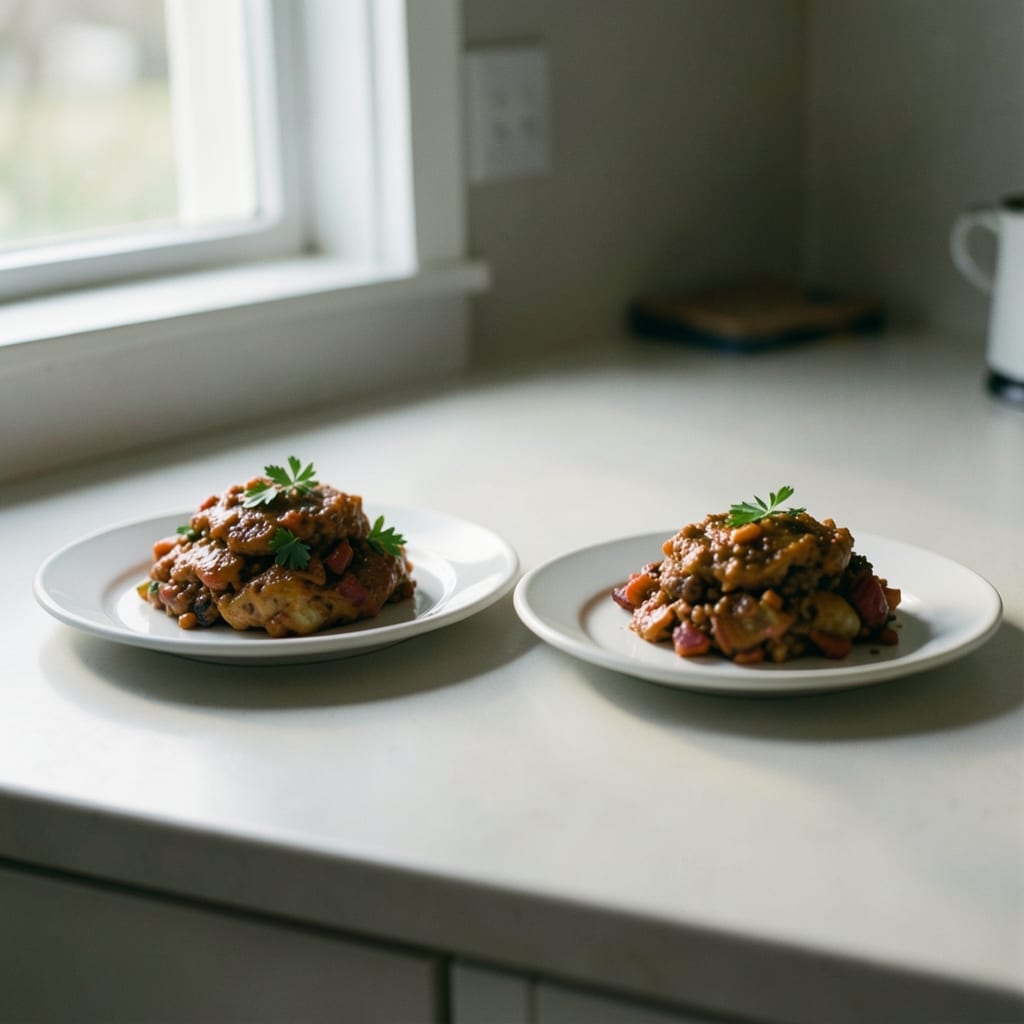
Every recipe begins with a question: *‘What’s the one thing that always goes wrong with this dish?’* The answer isn’t always obvious—sometimes it’s a missing step, sometimes it’s a tool you didn’t know you needed.
We test each recipe at least twice: once in a controlled kitchen, once in a home cook’s space where the oven might be broken and the garlic is pre-minced.
Step 1: the first test
The first batch is cooked by the writer, with notes on every detail: the exact wok heat (measured with a thermometer), the moment the spices lose their kick, and the ‘30-second window’ where the dish can go from ‘perfect’ to ‘disaster.’ Timers are set for each critical step, and a second person—usually someone who’s never cooked the dish before—is handed the recipe to try it blind.
If the second attempt fails, we go back to the drawing board. The goal isn’t a flawless recipe; it’s one that survives the chaos of real cooking. That’s why you’ll see notes like ‘*If your wok isn’t hot enough, add the oil in two batches*’—because we’ve all been there.
Step 2: the fixes
The second test isn’t just about repeating the steps.
It’s about answering the questions that never get asked: *‘What if I don’t have a wok?’* (‘Use a heavy skillet.’) *‘What if my garlic burns before the meat is done?’* (‘Add it last, over the lowest flame.’) The final version includes a ‘Troubleshooting’ section with the most common mistakes—and how to avoid them.
No recipe leaves this stage until it’s been made in at least two different kitchens, with two different levels of experience. The result? A dish that doesn’t just sound good on paper.
Join our community
Here, you’ll find answers to questions like *‘Why did my stir-fry turn bland?’* or *‘How do I know when my wok is hot enough?’*—and you’ll also see what others have learned along the way.
Good suggestions get tested and added to the site; the rest become lessons in the ‘Common Mistakes’ section. No question is too basic, and no tip is too small.
Let's connect
We love hearing about the dishes you’ve made—or the ones that didn’t go as planned. Did a recipe here change the way you cook? Did you figure out a better way to handle a step? The contact page is where those stories belong.
Let’s keep the conversation going.
The recipes are grouped by category: Appetizers, Beverages, Breakfast & Brunch, Desserts, Main Courses and Reviews.