
Side Dishes
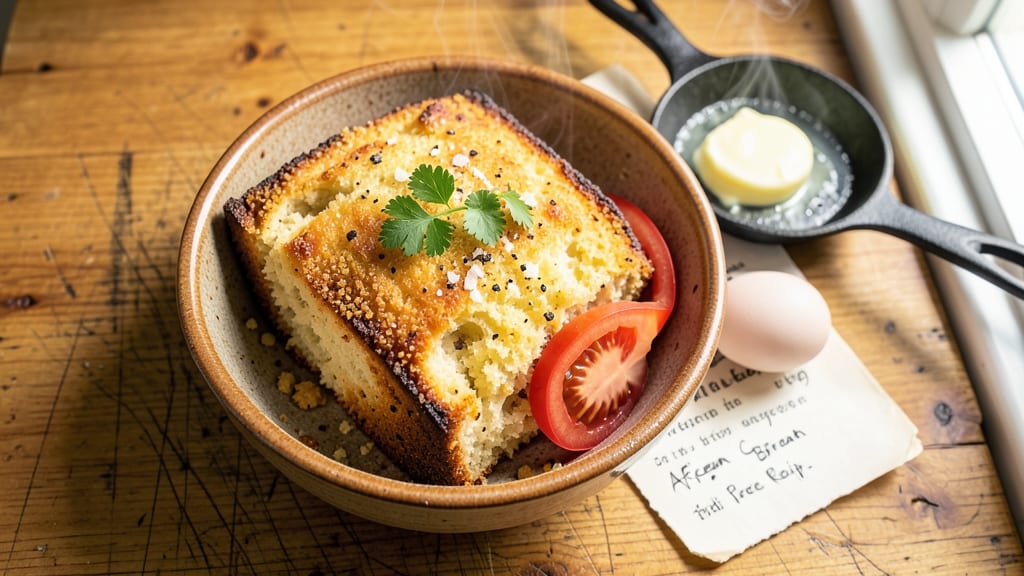
This African corn bread recipe delivers a spiced cornmeal crust with nutty depth that transforms any meal into a celebration. The blend of traditional African spices—ginger, nutmeg, and a touch of cinnamon—creates warmth that lingers long after the first bite.
I first discovered this recipe during a visit to a West African market, where vendors baked it fresh over open flames, and it became an instant staple in my kitchen.
The beauty of this recipe lies in its simplicity and versatility. With just a handful of ingredients—cornmeal, warm milk, eggs, and a pinch of salt—you can create a bread that’s both hearty and delicate.
The crust develops a golden, slightly crisp exterior while maintaining a tender interior, making it perfect for soaking up soups, stews, or serving alongside grilled meats. The spices infuse the dough with an aromatic richness that pairs beautifully with savory dishes.
What sets this corn bread apart is its ability to adapt to modern kitchens without losing its cultural soul. Whether you’re baking it in a cast-iron skillet for that classic texture or using a loaf pan for easy slices, the result is consistently impressive.
The nutty depth from the cornmeal and the subtle warmth of the spices create a flavor profile that’s both comforting and sophisticated—ideal for weeknight dinners or special occasions.
Once baked, the bread stays fresh for days, making it a practical choice for meal prep. Serve it warm with honey for a touch of sweetness or alongside a hearty African stew for a meal that feels like home.
The instructions are straightforward, ensuring you achieve professional results without the fuss. Let’s get started on creating this flavorful centerpiece for your table.
Ingredients for african corn bread
Just twelve ingredients—no exotic finds—transform into African corn bread with spiced warmth.
| Ingredient | Amount | Notes |
|---|---|---|
| Fine Cornmeal 🌽 | 1 ½ cups | Stone-ground preferred for texture |
| All-Purpose Flour 🌾 | ½ cup | For structure and binding |
| Warm Whole Milk 🥛 | 1 cup | Not boiling, just warm |
| Large Eggs 🥚 | 2 whole | Room temperature for even baking |
| Granulated Sugar 🍚 | ¼ cup | Balances the spices |
| Baking Powder 🧂 | 1 ½ tsp | For proper rise |
| Salt 🧂 | 1 tsp | Kosher or sea salt |
| Ground Ginger 🌿 | 1 tsp | Freshly ground for warmth |
| Ground Nutmeg 🌿 | ½ tsp | Freshly grated preferred |
| Ground Cinnamon 🌶️ | ½ tsp | For subtle sweetness |
| Vegetable Oil 🫒 | ½ cup | For crispy crust |
| Unsalted Butter 🧈 | ½ cup | Melted, full-fat for richness |
The cornmeal is the soul of this bread. Bob’s Red Mill stone-ground or Maseca (if you can find it) gives that authentic texture, but regular fine cornmeal works in a pinch. I always double-check the label for 100% corn—some blends include wheat. The spices? Penzeys or the bulk bins at Whole Foods have the freshest ground spices, but your local grocery store’s jarred versions are fine if they’re not past their prime. The nutmeg and ginger should smell vibrant—if they’re dusty or stale, toss them. Freshly grated nutmeg makes a huge difference, but pre-ground is better than nothing.
No whole milk? Warm almond milk or coconut milk works just as well—just make sure it’s warm, not hot. Short on cornmeal? Substitute half with all-purpose flour, but the texture will be less tender. The baking powder is non-negotiable—don’t swap for baking soda unless you’re adding an acid like buttermilk. For the spices, if you’re feeling adventurous, add a pinch of cloves or allspice (about 1/8 tsp each) for deeper warmth. The butter and oil combo gives that perfect crust—skip the butter if you’re dairy-free, but use extra oil (about 2 tbsp more). And trust me, room-temperature eggs mix in so much smoother than cold ones.
This bread stays fresh for 3-4 days at room temperature wrapped in a towel, or 1 week in the fridge. For longer storage, slice it and freeze between parchment paper—3 months no problem. I like to reheat slices in a dry skillet for 30 seconds on each side to revive that crispy crust. The leftovers? Perfect for French toast or bread pudding. And if you’re serving with stew, toast the slices until golden—it soaks up the broth like a dream.
Why You'll Love This Recipe
- No Mixer Needed: I swear by this recipe because it’s just a bowl and a whisk—no stand mixer, no food processor, no fuss. The cornmeal and flour come together like old friends, and the warm milk makes the batter silky without a single lump.
- Sweet & Savory Balance: That touch of sugar in the batter? It’s not too sweet—just enough to make every bite feel special, whether you’re dipping it in honey or serving it alongside stews. The eggs bind it perfectly, giving it a tender crumb that’s hard to resist.
- Weeknight Magic: I make this when I’m too tired to think—dump the dry stuff, pour in the milk and eggs, pop it in the oven, and 20 minutes later, dinner’s saved. It’s my go-to when I need something reliable that still feels like a treat.
- Budget-Friendly Staples: Between us, this recipe costs next to nothing—cornmeal, flour, eggs, and milk are all pantry basics. I can stretch one batch into breakfast toast, snack bites, or even a side for dinner, and it never goes to waste. Practical? Absolutely. Delicious? Even more so.
Step-by-step instructions for African corn bread
Here's how to bake this aromatic, spiced corn bread with a crisp crust and tender crumb.
Whisk Wet Ingredients Together
In a large mixing bowl, combine the 1 cup warm whole milk, 2 whole large eggs, 0.5 cup melted unsalted butter, and 0.5 cup vegetable oil. I like to use a whisk for this step to ensure everything blends smoothly. The milk should be warm to the touch but not hot—just enough to melt the butter completely. This mixture forms the moist, tender base of our bread.
Next, add the 0.25 cup granulated sugar and stir until fully dissolved. The sugar will help balance the warm spices we'll add later. If you prefer a sweeter version, you can increase this to 0.33 cup—just remember the spices will add depth without sweetness. Let this wet mixture sit for 5 minutes while you prepare the dry ingredients. This brief rest helps the eggs and milk come to the same temperature, preventing any potential curdling when combined with the dry ingredients later.
Combine Dry Ingredients and Spices
In a separate medium bowl, sift together the 1.5 cups fine cornmeal, 0.5 cup all-purpose flour, 1.5 teaspoons baking powder, 1 teaspoon salt, 1 teaspoon ground ginger, 0.5 teaspoon ground nutmeg, and 0.5 teaspoon ground cinnamon. Sifting ensures there are no lumps in your dry ingredients, which can lead to uneven texture in the finished bread.
The spices here are key—the ginger adds warmth, nutmeg brings earthiness, and cinnamon adds subtle sweetness. I always use freshly ground spices when possible, as pre-ground spices can lose potency over time. If you don't have fresh spices, make sure your ground spices are labeled "100% pure" to get the best flavor. Give this mixture a quick stir with a fork or whisk to distribute everything evenly.
Mix Wet and Dry Ingredients Gently
Gradually add the dry ingredient mixture to the wet ingredients, stirring gently with a wooden spoon or rubber spatula. The goal here is to combine everything just until no dry spots remain—overmixing can develop gluten in the flour and make the bread dense. You'll notice the batter will be thick and slightly sticky, almost like a thick pancake batter. This is perfect for our recipe.
Once fully combined, let the batter rest for 10 minutes at room temperature. This resting period allows the cornmeal to fully hydrate and the baking powder to activate slightly, which helps create a lighter texture. During this time, preheat your oven to 375°F and lightly grease an 8-inch round cake pan or 9-inch square baking dish with a bit of vegetable oil or melted butter. The greased pan ensures easy release and prevents sticking.
Bake Until Golden and Springy
Pour the batter into your prepared pan and smooth the top with a spatula. Tap the pan gently on the counter a few times to release any air bubbles that may have formed. Bake in the preheated oven for 25-30 minutes, or until the top is deep golden brown and a toothpick inserted into the center comes out clean. The edges should pull away slightly from the pan, indicating it's fully baked.
Here's the thing—your oven might run hot or cold, so start checking at the 20-minute mark. If the top browns too quickly, tent the pan loosely with aluminum foil to prevent over-browning while the center finishes cooking. When it's done, let the bread cool in the pan for 5 minutes before transferring to a wire rack. This resting period helps the crumb set properly and makes slicing easier.
Pro Tips For Making African Corn Bread
- Sift the Cornmeal: I learned this the hard way—skipping the sift left my first batch dense and heavy. Use a fine-mesh sieve to lighten the cornmeal before mixing, especially if your brand is extra gritty. It’s worth the extra 30 seconds to get that airy texture.
- Warm the Milk First: Cold milk makes the batter sluggish and can leave your bread gummy. Heat the whole milk just until it’s warm to the touch (about 110°F)—it blends smoother and helps the flour and cornmeal absorb faster. No thermometer? Dip your finger in; it should feel like a warm bath, not scalding.
- Don’t Overmix the Batter: After burning three batches, I finally figured out the batter’s happy medium: mix just until the dry ingredients disappear. Overworking it turns the bread tough and dense. Stir in the eggs last, then fold gently—lumps are fine, but don’t go for perfection.
- Grease the Pan Hot: My grandmother swore by this, and she was right: heat your cast-iron or baking pan for 2 minutes on the stove before adding butter or oil. The corn bread’s crust will rise crispier, and it won’t stick—even if you’re impatient like me and skip the extra flouring. (Yes, even if the recipe says otherwise.)
Best sauces and condiments for african corn bread
Sweet Honey Glaze
Drizzle warm African corn bread with a mix of 2 tablespoons honey and 1 teaspoon lemon juice while still slightly warm. The honey enhances the cornmeal's natural sweetness while the lemon brightens the spices.
I like to heat the honey gently in a small saucepan with 1 teaspoon water for 2 minutes—this creates a glossy finish that caramelizes beautifully. 🍯
Spiced Butter Spread
Melt ½ cup unsalted butter with 1 teaspoon ground ginger, ½ teaspoon cinnamon, and a pinch of salt, then brush it over warm slices. The butter melts into the bread, infusing it with extra warmth.
For a savory twist, swap the cinnamon for ½ teaspoon smoked paprika—it pairs perfectly with hearty stews. Store any leftover spiced butter in an airtight container in the fridge for up to 1 week.
African Peanut Sauce
Blend ½ cup smooth peanut butter, ¼ cup warm water, 1 tablespoon honey, 1 teaspoon grated ginger, ½ teaspoon garlic powder, and a pinch of cayenne for a rich, nutty dip.
This West African-inspired sauce complements the corn bread's earthy flavors while adding protein. Serve it alongside grilled meats or use it as a sandwich spread. 🥜
Yogurt and Herb Dip
Mix ½ cup plain Greek yogurt with 1 tablespoon chopped fresh cilantro or parsley, ½ teaspoon ground cumin, and a squeeze of lemon juice. This cooling dip balances the bread's warmth and adds freshness.
For extra flair, top with toasted sesame seeds—they add a nutty crunch that contrasts beautifully with the soft bread. Store any leftovers in the fridge for up to 3 days.
Sweet Plantain Jam
Spread slices with African plantain jam—a fruity, slightly caramelized spread made from ripe plantains. The jam’s sweet-tangy flavor cuts through the bread’s spiced richness.
Look for small-batch jams at Latin or Caribbean markets, or make your own by simmering 2 cups mashed plantains with ¼ cup brown sugar and 1 teaspoon vanilla extract for 20 minutes. 🍌
Nutrition facts
Frequently asked questions
Can I substitute cornmeal with another flour?
While you can replace up to half the cornmeal with all-purpose flour, the texture will change significantly. Cornmeal gives this bread its signature nutty flavor and slightly crumbly yet tender crumb. For a closer match, try polenta or grits—they’ll maintain some of that earthy depth. Just expect a denser result if you substitute more than 50%.
Why does my African corn bread turn out dense?
Overmixing the batter or skipping the 10-minute rest before baking are common culprits. The cornmeal needs time to hydrate properly, and overworking the gluten in the flour makes the bread tough. Also, ensure your baking powder is fresh—old leavening loses potency. For extra lightness, whisk the wet ingredients vigorously before combining with dry ingredients to incorporate air.
How can I make this recipe gluten-free?
Replace the 0.5 cup all-purpose flour with a 1:1 gluten-free baking flour blend (like Bob’s Red Mill). Add ½ teaspoon xanthan gum to improve texture, and increase the baking powder to 2 teaspoons for better rise. The cornmeal itself is naturally gluten-free, so this adjustment keeps the recipe structurally sound while maintaining flavor.
Can I bake this in a different pan shape?
An 8-inch round cake pan or 9-inch square baking dish both work well, but baking times may vary slightly. For a rustic look, try a cast-iron skillet—it creates a crispier crust. If using a loaf pan, reduce baking time by 5-7 minutes to prevent over-browning. Adjust oven temperature to 350°F if your pan is dark-colored to avoid burning.
What’s the best way to store leftovers?
Wrap cooled slices in a clean kitchen towel and store at room temperature for 2-3 days to maintain freshness. For longer storage, freeze slices between parchment paper for up to 3 months. To reheat, warm in a dry skillet over medium heat for 1-2 minutes per side until crispy again. Avoid microwaving—it makes the bread gummy.