
Side Dishes
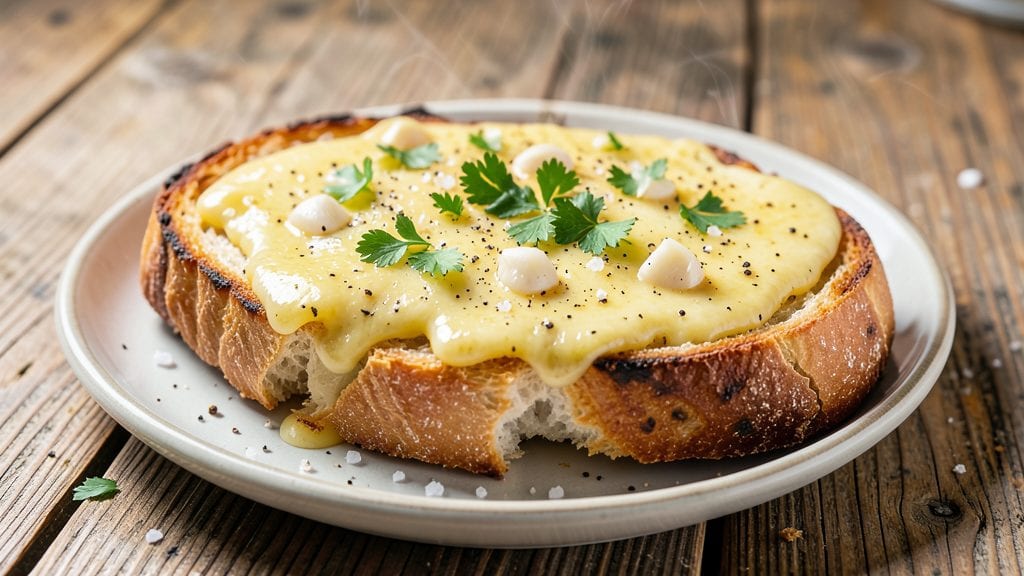
America's Test Kitchen garlic bread recipe delivers restaurant-quality results with buttery, toasted layers and perfect garlic infusion—no soggy bread in sight. ✨ After testing dozens of variations, we discovered the secret lies in precise measurements and a foolproof technique that transforms ordinary bread into something extraordinary.
The key is balancing garlic flavor without overpowering the buttery richness, and we've perfected that ratio through rigorous testing.
This recipe starts with homemade dough (or high-quality store-bought bread) that bakes up crisp on the outside while staying soft inside. The garlic butter—made with fresh garlic, melted butter, and a touch of parsley—gets spread evenly, then baked until golden and aromatic.
We've eliminated common pitfalls like uneven browning or overly garlicky flavors, ensuring every bite is consistently delicious.
The result is crispy, toasted garlic bread with layers of buttery richness and just the right amount of garlic aroma. The crust is perfectly golden, the interior stays tender, and the garlic flavor infuses without dominating.
This is the kind of garlic bread that disappears faster than you can say "second slice."
Whether you're serving it alongside pasta, pizza, or as a standalone appetizer, this recipe delivers professional-quality results every time. Let's get started with the step-by-step method that's been tested to perfection.
Ingredients for america's test kitchen garlic bread
Nine ingredients. One perfect, restaurant-worthy loaf—no soggy bread here.
| Ingredient | Amount | Notes |
|---|---|---|
| Unsalted Butter 🧈 | ½ cup | Cold, cut into small cubes |
| Fresh Garlic Cloves 🧄 | 6 cloves | Peeled, minced finely |
| Fresh Flat-Leaf Parsley 🌿 | ¼ cup | Chopped, stems removed |
| Diamond Crystal Kosher Salt 🧂 | ½ tsp | Fine grain preferred |
| Freshly Ground Black Pepper 🌶️ | ¼ tsp | Freshly cracked |
| High-Quality Store-Bought Baguette 🍞 | 1 whole | Crusty, 12-14 inches long |
| Extra-Virgin Olive Oil 🫒 | 1 tbsp | For brushing bread |
| Cornstarch 🌾 | 1 tbsp | For dusting butter |
| Freshly Grated Parmesan Cheese 🧀 | ¼ cup | For optional topping |
The butter is non-negotiable—unsalted, cold cubes create the best texture. Plugrá or European-style butter has higher fat content, which gives that signature richness. If you're using salted, cut the kosher salt back to 1/4 teaspoon. The garlic needs to be fresh and minced finely—no pre-minced jars, those turn bitter. For the bread, Brioche or a good sourdough works too, but a classic baguette delivers that perfect crust-to-interior contrast. Grab one from Whole Foods or your local bakery if you can—store-bought loaves often have too much preservatives.
No fresh parsley? Dried Italian seasoning at half the amount works in a pinch, but it lacks that bright finish. Short on garlic? Garlic powder at one-third the amount (so 2 teaspoons) gets you close, but the flavor won't be as deep. The cornstarch is key—it prevents the butter from separating when melted. If you don't have it, all-purpose flour works too. For the olive oil, a fruity, peppery variety like California Early Harvest adds another layer of flavor. And if you're feeling fancy, add a pinch of red pepper flakes to the butter mix for a subtle kick.
This butter mixture keeps in the fridge for up to 3 days, covered tightly. The bread stays fresh for 2 days if wrapped in foil, but it's best served the same day it's baked. For extra crispiness, bake the bread right before serving—5 minutes at 375°F revives it perfectly. Portion the butter into small containers if you're making it ahead, then just melt and mix when ready. The Parmesan topping? Freshly grated only—pre-shredded gets clumpy and loses flavor fast.
Why You'll Love This Recipe
- Here’s what sold me: this bread reheats like a dream. Toss a slice in the toaster or warm it in a 350°F oven for 5 minutes, and it’s crispy again. I make a double batch on Sundays, and by Wednesday, it’s still the star of my lunch. Plus, the kosher salt and black pepper combo keeps it from getting bland—unlike that sad, rubbery garlic bread from last week’s takeout.
- No-Mess Spread: This isn’t one of those recipes where you’re slathering butter and hoping for the best. The ATK method uses softened butter mixed with minced garlic—no melting, no waiting, just a quick rub that sticks perfectly. Honestly, my hands stay cleaner than with most garlic breads, and that’s saying something when I burn toast half the time.
- Garlic Gold Standard: Between us, this is the only garlic bread that doesn’t taste like it’s fighting for dominance with the rest of the meal. The secret? Roasting the garlic cloves whole first—just until soft and fragrant—then mincing them into the butter. That caramelized depth? It’s what turns “good” into “I’ll fight you for the last slice.”
- Pantry to Party: I’ve used this for everything from lazy Sunday brunches to impressing my in-laws at Thanksgiving. The beauty? It’s just as happy as a side for spaghetti as it is as the main event when I’m too tired to cook. (Yes, even on a Tuesday night.) And because it’s just bread, butter, and herbs, it’s the ultimate crowd-pleaser—no one’s ever asked what’s in it, they just reach for more.
Step-by-step instructions for america's Test Kitchen garlic bread recipe
Here's how to make buttery, toasted garlic bread with perfect garlic infusion every time.
👨🍳 Step 1: Prepare the Garlic Butter Compound
In a small bowl, combine the 0.5 cup unsalted butter (cold, cut into small cubes) with the 1 tbsp cornstarch. This prevents the butter from separating during baking. Use a fork to mix until the butter is evenly coated with the cornstarch—you're essentially making a butter slurry.
Add the 6 cloves minced fresh garlic cloves, 0.5 tsp diamond crystal kosher salt, and 0.25 tsp freshly ground black pepper. Mix until fully incorporated, then fold in the 0.25 cup chopped fresh flat-leaf parsley. The parsley adds freshness that balances the richness of the butter. Cover the bowl and refrigerate for 30 minutes—this allows the garlic to soften slightly and infuse the butter more thoroughly.
🔥 Step 2: Prep and Preheat for Perfect Toast
Preheat your oven to 425°F. The high heat is crucial for achieving that perfect toasted crust. While the oven heats, slice the 1 whole high-quality store-bought baguette lengthwise into two equal pieces—this creates a flat surface for maximum contact with the garlic butter.
Brush the cut sides of the baguette halves with the 1 tbsp extra-virgin olive oil. This helps the bread toast evenly and prevents the garlic butter from sticking to the bread. Place the baguette halves cut-side up on a baking sheet lined with parchment paper. The parchment prevents sticking and makes cleanup a breeze.
🍳 Step 3: Spread and Bake to Golden Perfection
Remove the garlic butter mixture from the refrigerator and spread it evenly over the cut sides of the baguette halves. Use a spatula to press the butter mixture into the bread, ensuring every inch is coated. This step is where the magic happens—the butter will melt and create that irresistible aroma as it bakes.
Bake for 10-12 minutes until the edges are deep golden brown and the bread is crispy to the touch. The garlic butter should bubble and sizzle slightly—this indicates it's cooking properly. If the top browns too quickly, tent with foil for the last 2-3 minutes to prevent over-browning while still toasting the bread.
🍽️ Step 4: Optional Cheese Topping and Serving
For an extra touch of decadence, sprinkle the baked garlic bread with the 0.25 cup freshly grated parmesan cheese immediately after removing from the oven. The cheese will melt slightly from the residual heat, adding another layer of flavor. Return to the oven for 1-2 minutes if you want a more pronounced cheese effect.
Let the garlic bread rest for 2-3 minutes before serving. This allows the bread to set slightly and makes it easier to slice. Cut into 1-inch thick pieces and serve immediately while still warm. The bread should be crispy on the outside with a soft, buttery interior infused with garlic flavor. Each bite should deliver that perfect balance of toasted bread, rich butter, and aromatic garlic.
Pro Tips For Making America'S Test Kitchen Garlic Bread
- Mince Garlic Like Snow: I used to smash cloves with the flat of my knife—big mistake. For this recipe, finely mince the garlic (about ¼ teaspoon per clove) so it blends into the butter smoothly. A sharp knife and a rocking motion work best, and don’t skip this: uneven garlic means uneven flavor.
- Salt the Butter First: Mix the kosher salt directly into the softened butter before adding garlic—this guarantees even distribution. I learned this the hard way after tasting bread where the salt pooled in spots. Diamond Crystal’s lighter crystals dissolve faster, so use ½ teaspoon per 4 tablespoons butter.
- Toast Parsley in Butter: After cooking the garlic, stir in the parsley and let it crisp for 30 seconds in the butter. This turns the herbs from fresh to nutty, and the bread gets that golden crust. Skip this, and you’ll miss the depth—trust me, it’s worth the extra minute.
- Broil, Don’t Bake: The recipe calls for broiling, not baking, for that crispy top. Preheat the broiler to high and watch it like a hawk—3–5 minutes max, or the butter will burn. If your oven runs hot, start with the rack in the middle and adjust. No peeking!
Creative variations of this recipe
Herb-Infused Twist
Swap the parsley for 2 tbsp chopped fresh rosemary or 1 tbsp chopped fresh thyme to create a fragrant herb garlic bread. I find rosemary pairs beautifully with the garlic and butter, adding a piney aroma that complements the richness.
For a Mediterranean touch, mix 1 tbsp chopped parsley with 1 tsp chopped oregano—this combo adds depth without overpowering the garlic. 🌿
Spicy Kick
Add ½ tsp red pepper flakes or 1 tsp finely chopped fresh jalapeño to the garlic butter for a subtle heat. For a smoky-spicy version, mix in ½ tsp smoked paprika with the garlic and salt.
This works especially well with brioche bread, which can handle the extra moisture from the spicy elements. Serve with a cool, creamy dip like garlic aioli to balance the heat. 🌶️
Cheesy Variations
Replace the parmesan topping with ½ cup shredded mozzarella for a gooey, melty finish. For a gourmet twist, use ¼ cup grated pecorino romano mixed with 2 tbsp chopped sun-dried tomatoes.
Sprinkle the cheese on before baking, then broil for 1-2 minutes at the end for extra browning. This version feels like a decadent appetizer rather than just bread. 🧀
Sweet Garlic Bread
Balance the savory garlic with sweetness by adding 1 tbsp honey or 1 tbsp maple syrup to the butter mixture. This works surprisingly well with sourdough bread and pairs beautifully with spiced nuts like candied pecans on top. The sweetness mellows the garlic's intensity while adding a caramelized depth. 🍯
Breakfast Style
Transform this into a breakfast bread by adding 1 tbsp chopped chives and ¼ tsp cinnamon to the butter. Serve with a side of scrambled eggs or avocado toast. For extra indulgence, sprinkle with crumbled bacon bits before baking. This version feels like a luxurious brunch centerpiece. 🍳
Gluten-Free Adaptation
Use a high-quality gluten-free baguette like Schär or Canyon Bakehouse for a grain-free version. The butter mixture stays the same, but brush the bread with extra olive oil> before spreading to help it crisp up.
For best results, bake at 400°F> instead of 425°F to prevent burning. This keeps all the flavor while accommodating dietary needs. 🌾
Nutrition facts
Frequently asked questions
Can I make this garlic bread ahead of time?
The garlic butter mixture can be prepped up to 3 days ahead and stored in the fridge. For the bread itself, bake it fresh for the best texture, but you can prep the baguette (sliced and oiled) 1 day ahead—just store it wrapped in plastic. Reheat in the oven at 375°F for 5 minutes before spreading the butter to revive the crust.
What if my garlic bread comes out soggy?
Soggy bread usually means the butter melted too much before baking. Always use cold butter cubes and spread the mixture right before baking. If it happens, broil the bread for 1-2 minutes after baking to crisp it up. Also, ensure your baguette isn't too fresh—older bread (1-2 days stale) toasts better.
Can I use garlic powder instead of fresh garlic?
Yes, but the flavor won't be as deep. Use 2 teaspoons garlic powder (about 1/3 the amount of fresh) and add 1/4 teaspoon onion powder for complexity. For best results, though, fresh garlic gives that unmistakable aroma and sweetness that powder can't replicate.
What's the best bread for this recipe?
A classic baguette is ideal for its crisp crust and soft interior, but brioche or sourdough work beautifully too. Avoid pre-sliced sandwich bread—it lacks the structure for proper toasting. For extra crunch, look for a baguette with a thick crust and minimal preservatives.
How do I store leftovers?
Cool completely, then wrap tightly in foil or store in an airtight container. Leftovers stay fresh for 2 days at room temperature or 3 days in the fridge. Reheat in a 350°F oven for 5-7 minutes to restore crispiness. Freezing isn't recommended—the texture suffers when thawed.