
Snacks
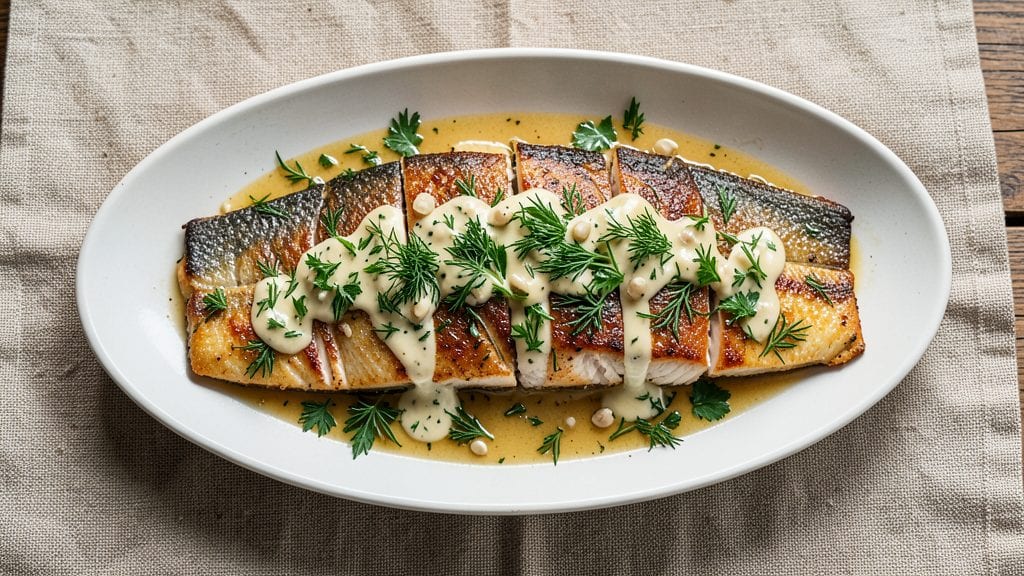
This baked trout recipe delivers flaky, golden perfection with a buttery herb crust that transforms simple fish into a restaurant-worthy centerpiece. After years of perfecting the technique—from scaling to plating—I’ve cracked the code for achieving that signature crisp exterior and melt-in-your-mouth texture every time.
The secret lies in precise preparation and a high-heat bake that locks in moisture while creating that coveted golden crust.
What sets this method apart is the foolproof combination of fresh herbs, melted butter, and a light breadcrumb topping that adds texture without overwhelming the delicate trout.
Unlike recipes that rely on heavy sauces or complicated techniques, this approach keeps the focus on the fish itself—letting its natural sweetness shine through while enhancing it with bright, aromatic flavors. The result is a dish that’s elegant enough for dinner guests but simple enough for a weeknight.
By the time your trout emerges from the oven, you’ll have a perfectly golden fillet with crisp edges and tender, flaky flesh that falls apart at the touch of a fork.
The herb crust adds a fragrant, savory contrast that elevates every bite, while the buttery richness ties it all together. This is the kind of dish that makes you feel like a professional—without requiring advanced skills or expensive equipment.
Pair it with a crisp green salad, roasted vegetables, or a squeeze of lemon to brighten the plate. The recipe scales easily for two or four, making it versatile for any occasion. Let’s get started on creating trout that’s worth the effort—because great fish deserves great technique.
Ingredients for bake trout
Fresh trout, bright herbs, and cold butter create golden perfection with flaky, restaurant-quality results.
| Ingredient | Amount | Notes |
|---|---|---|
| Fresh Trout Fillets 🐟 | 4 whole | Skin-on, 6-8 oz each |
| Unsalted Butter 🧈 | ½ cup | Cold, cubed for crust |
| Fresh Dill 🌿 | ¼ cup | Chopped, stems removed |
| Fresh Parsley 🌿 | ¼ cup | Chopped, flat-leaf preferred |
| Fresh Thyme Leaves 🌿 | 1 tbsp | Finely chopped, stems removed |
| Garlic Cloves 🧄 | 4 cloves | Minced, fresh preferred |
| Panko Breadcrumbs 🍞 | ½ cup | Light, for texture |
| Lemon Zest 🍋 | 1 tbsp | From 1 large lemon |
| Lemon Juice 🍋 | 2 tbsp | Freshly squeezed |
| Sea Salt 🧂 | 1 ½ tsp | Fine grain, kosher preferred |
| Ground Black Pepper 🌶️ | ½ tsp | Freshly ground |
| Olive Oil 🫒 | 1 tbsp | For greasing pan |
The trout is the foundation—look for fresh, skin-on fillets from the seafood counter, ideally wild-caught for optimal texture. Whole Foods or local fish markets often carry the best quality, but grocery store brands like Trader Joe's or Wild Alaskan work perfectly too. The skin should be silvery and intact, and the flesh should smell clean and oceanic. If buying whole trout, ask for them to be filleted and scaled—that extra step ensures your crust adheres evenly. For herbs, fresh is non-negotiable—dried won’t deliver the same bright, aromatic punch. Store your trout in the coldest part of the fridge, and use within 2 days for peak freshness.
No fresh dill? Substitute with 1 tbsp dried dill, but expect less vibrant flavor. Short on panko? Toasted breadcrumbs or crushed cornflakes work in a pinch—just pulse them lightly in a food processor for finer texture. The butter must be cold when mixed with herbs to create that signature crisp crust. If your kitchen runs warm, chill the mixture for 15 minutes before applying. For extra brightness, add 1 tsp lemon juice to the herb-butter mix. And if you’re scaling up for more servings, double the herb amounts—they’re the secret to that fragrant crust.
This dish reheats beautifully—4-5 minutes at 350°F restores the crisp edges. For best results, bake immediately after prepping the crust, as the butter starts to soften at room temperature. Store leftovers in an airtight container for up to 2 days, though it’s best enjoyed fresh. To prep ahead, assemble the trout with crust up to 4 hours ahead and refrigerate uncovered—this helps the crust set slightly, making it easier to handle before baking. The herb crust freezes well too: portion and freeze for up to 1 month, then bake straight from frozen, adding 2-3 extra minutes to the cooking time.
Why You'll Love This Recipe
- Foolproof Freshness: I swear by this method—just pat the fillets dry, dot with butter, and let the oven do the work. No flaking, no fuss, and zero guesswork about doneness.
- Herb-Packed Magic: That trio of dill, parsley, and thyme? It’s like a bright, zesty hug for your taste buds. The butter melts into a golden crust, while the herbs keep it light—no heavy sauces needed.
- Weeknight to Dinner Party: Same recipe, zero extra effort. Slap it on a tray for a lazy Tuesday, or plate it elegantly with a squeeze of lemon for guests. Honestly, the prep is identical—just adjust the presentation.
- Leftovers That Don’t Suck: Unlike fried trout that turns soggy, baked fillets reheat beautifully. I’ll often make double and freeze portions—thaw, warm, and it’s like it came straight out of the oven. (Yes, even on a Tuesday night.)
Step-by-step instructions for buttery herb crust trout
Here's how to achieve restaurant-quality results with perfectly flaky, golden trout every time.
Prepare the Herb Butter Mixture
In a medium bowl, combine the 0.5 cup unsalted butter with the 0.25 cup chopped fresh dill, 0.25 cup chopped fresh parsley, 1 tablespoon finely chopped fresh thyme leaves, and 4 minced garlic cloves. Use a fork to mash everything together until you achieve a coarse paste with visible herb flecks. This texture ensures even distribution when applied to the trout.
Add the 1 tablespoon lemon zest and 1.5 teaspoons sea salt to the butter mixture. Mix well to distribute the citrus and salt evenly. The lemon zest will brighten the flavors while the salt enhances the natural sweetness of the trout. Set this mixture aside at room temperature while you prepare the trout.
Season and Crust the Trout Fillets
Preheat your oven to 375°F. Pat each of the 4 whole fresh trout fillets dry with paper towels, pressing firmly to remove all moisture. This step is crucial for achieving crispy skin - any remaining moisture will steam the fillets instead of creating that golden crust.
Generously season both sides of each fillet with the remaining 0.5 teaspoon ground black pepper. Then, using your fingers, press the herb butter mixture evenly over the top of each fillet, covering it completely. The butter should adhere to the skin, creating a protective layer that will crisp beautifully in the oven.
Sprinkle the 0.5 cup panko breadcrumbs evenly over the buttered trout. Press them gently but firmly to help them stick. This creates a textured crust that adds both visual appeal and structural support to prevent the delicate fillets from breaking apart.
Prepare the Pan and Bake
Lightly grease a baking dish or sheet pan with the 1 tablespoon olive oil. Arrange the crusted trout fillets in a single layer, leaving about 1 inch of space between each fillet. This allows for proper air circulation and even browning. Pour the 2 tablespoons lemon juice into the pan around the fillets - this will create a bright, citrusy sauce as it bakes.
Bake the trout for 15-18 minutes, until the edges are golden brown and crispy, and the internal temperature reaches 145°F when measured at the thickest part of the fillet. The panko crust should be golden and slightly puffed, while the skin should be crisp and the flesh should flake easily when tested with a fork.
Rest and Serve
Remove the trout from the oven and transfer it to a serving platter. Let it rest for 3-5 minutes before serving. This resting period allows the juices to redistribute throughout the fillets, ensuring each bite is moist and flavorful. The crispy crust will maintain its texture during this brief rest.
Spoon any pan juices over the trout before serving. The lemon-infused sauce will complement the herb butter crust beautifully. Serve immediately with steamed vegetables or a simple green salad to balance the rich, buttery flavors. Each fillet should separate easily into flaky pieces with a golden crust that contrasts perfectly with the tender flesh.
Pro Tips For Making Bake Trout
- Pat the fillets dry: Wet skin sticks to baking sheets and steams instead of browning. Grab paper towels and press hard—no half measures—especially around the edges. I learned this the hard way when my first batch emerged soggy and pale.
- Use room-temp butter: Cold butter won’t melt evenly, leaving patches of raw fish. Take the butter out of the fridge 20 minutes before baking so it spreads smoothly. Yes, it’s easy to forget, but your trout will crisp up properly.
- Don’t overcrowd the pan: If you pile fillets too close, they’ll steam instead of develop that golden crust. Leave at least 1 inch between them—even if it means two batches. I used to jam them in for speed, and the results were always dull.
- Add herbs at the end: Tossing fresh dill, parsley, and thyme into the butter after baking preserves their bright flavor. Sprinkle them on top right before serving—this keeps them crisp and aromatic, not wilted. (Trust me, your future self will notice.)
Essential equipment for this recipe
Your Must-Have Pan
Start with a heavy-bottomed baking sheet or oven-safe skillet—I recommend a 12-inch stainless steel sheet pan from All-Clad or a cast iron skillet like Lodge. These materials distribute heat evenly, preventing hot spots that can cause uneven browning.
A sheet pan gives you more surface area for crisping, while a skillet helps concentrate heat for a faster crust. For extra insurance, use a baking stone underneath to absorb moisture and create a crispier texture. 🔥
Precision Thermometer
A meat thermometer is non-negotiable for perfect trout—aim for an internal temperature of 145°F at the thickest part. I swear by the ThermoWorks Smoke or Thermoworks Dot for their instant-read accuracy. These probes slide effortlessly into fish fillets without piercing the delicate skin, giving you exact doneness without overcooking.
Pro tip: Test the thickest part near the center, not the edge where heat concentrates.
Herb Chopping Tools
Fresh herbs make or break this crust, so invest in sharp tools. A microplane for lemon zest and small chef’s knife (like Wüsthof Classic) work best for finely chopping dill, parsley, and thyme. For garlic, a garlic press or serrated knife ensures even mincing.
I also keep a small cutting board (like John Boos 12x12-inch) to avoid clutter while prepping. Pre-chop herbs and store in the fridge for up to 2 days in an airtight container.
Breadcrumbs & Texture
For that perfect panko texture, use Japanese-style panko (like Panko Plus)—it’s lighter and crisps better than regular breadcrumbs. If you’re gluten-free, crushed cornflakes or almond flour work as substitutes. For extra crunch, toast your panko in a dry skillet over medium heat for 2-3 minutes before using.
This removes moisture and amplifies the crispiness when baked. Store extra panko in an airtight container to keep it fresh.
Butter Chilling Hack
Cold butter is key to that golden crust, but it softens quickly. I keep my butter mixture in the fridge until just before applying it to the trout. For extra insurance, chill your baking sheet for 10 minutes in the freezer before adding the fillets.
This helps the butter set faster and creates a firmer crust. If your kitchen runs warm, work near an open window or use a cooling rack to speed up the process. 💡
Lemon & Acid Balance
A zester (like the Microplane Lemon Zester) ensures you get fine, even zest without the bitter pith. For lemon juice, I use a handheld citrus juicer (like OXO Good Grips) to avoid seeds and pulp.
The acidity in lemon juice not only brightens the dish but also helps tenderize the fish slightly. If you’re short on time, bottled lemon juice works, but fresh is always better for flavor. Store extra zest in the freezer for up to 3 months in an airtight container.
Nutrition facts
Frequently asked questions
Can I bake trout without skin for this recipe?
The skin creates that signature crispy texture, but you can adapt this recipe for skinless fillets. Simply press the herb butter mixture more firmly to help it adhere, and bake for 12-15 minutes instead. The crust will be less crisp but still flavorful. For best results, use a lightly oiled baking dish to prevent sticking.
What's the best way to thaw frozen trout for baking?
Thaw trout overnight in the refrigerator for even results. If short on time, submerge the sealed package in cold water (never warm) for 30-45 minutes. Pat completely dry before seasoning—any moisture prevents the crust from crisping properly. Never thaw at room temperature, as this promotes bacterial growth.
How do I prevent the trout from sticking to the pan?
Use a well-oiled baking sheet or line with parchment paper for easy release. For extra insurance, chill the pan for 10 minutes before adding the trout. The cold surface helps the butter set faster and creates a natural barrier. Avoid overcrowding fillets—leave 1 inch between each for even browning.
Can I make this recipe ahead of time?
Assemble the trout with crust up to 4 hours ahead and refrigerate uncovered. This helps the butter set slightly, making it easier to handle. Bake straight from the fridge, adding 2-3 extra minutes to the cooking time. For longer prep, freeze the assembled trout (unbaked) for up to 1 month—bake from frozen, adding 4-5 minutes to the time.
What are good side dishes to serve with baked trout?
Bright, light sides complement the rich trout perfectly. Try steamed asparagus with lemon zest, a cucumber-avocado salad, or roasted Brussels sprouts with balsamic glaze. For a heartier meal, serve with wild rice pilaf or herb-roasted potatoes. The acidity in lemon-based sides cuts through the butter, balancing the dish beautifully.