
Main Courses
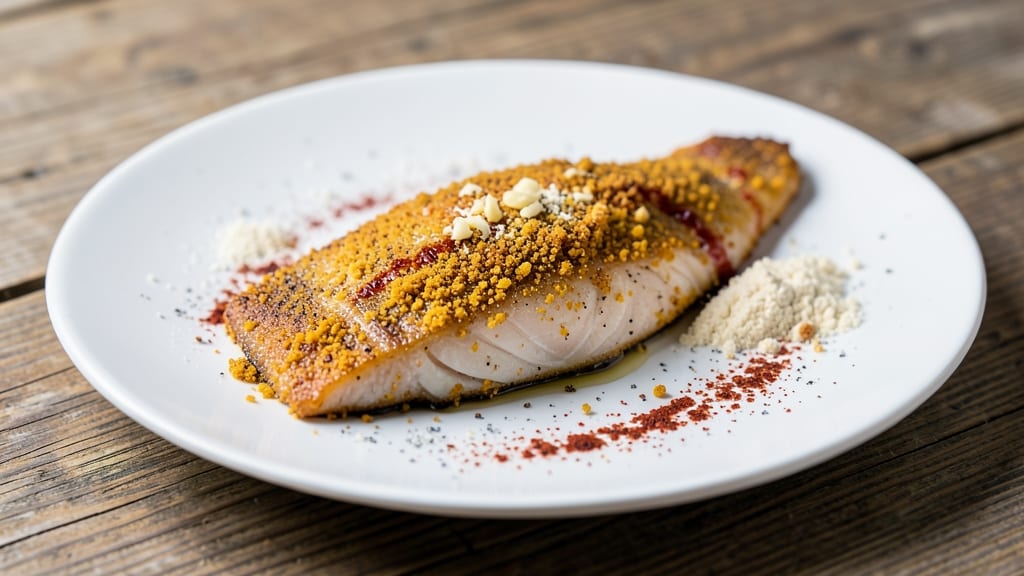
This baked basa fish fillet recipe delivers the perfect balance of crispy cornmeal crust and flaky interiors that will impress even seafood skeptics. After testing countless variations, I’ve refined this method to ensure every bite stays moist while developing that satisfying crunch—no soggy edges here.
The secret lies in the cornmeal coating and precise baking time, which transforms basa into a restaurant-worthy centerpiece.
What sets this recipe apart is its simplicity: just a handful of pantry staples and 15 minutes of prep work before sliding into the oven. The cornmeal crust isn’t just for texture—it adds a subtle nutty depth that pairs beautifully with the fish’s natural mild flavor.
Baked at 400°F, the fillets cook evenly, ensuring tender flesh and golden-brown edges every time.
Imagine pulling a perfectly cooked fillet from the oven—crisp along the edges, flaking effortlessly with your fork, and infused with just enough seasoning to elevate without overpowering. This recipe serves two with ease, making it ideal for weeknight dinners or weekend gatherings where you want to shine without stress.
Pair with lemon wedges, a simple green salad, or roasted vegetables to create a complete meal. The versatility here means you can adapt it for any occasion—whether you’re feeding a family or treating yourself to a special night in. Let’s get started on this foolproof method that guarantees success.
Ingredients for baked basa fish fillet
Pantry staples meet restaurant-quality technique for this foolproof baked basa recipe.
| Ingredient | Amount | Notes |
|---|---|---|
| Basa Fish Fillets 🐟 | 2 whole | Skin-on, 6-8 oz each, thawed if frozen |
| Fine Yellow Cornmeal 🌽 | ½ cup | Diamond Crystal preferred for texture |
| All-Purpose Flour 🌾 | ¼ cup | For coating adhesion |
| Dried Old Bay Seasoning 🌶️ | 1 tbsp | Classic seafood blend |
| Garlic Powder 🧄 | 1 tsp | Freshly ground preferred |
| Smoked Paprika 🌶️ | ½ tsp | For subtle smokiness |
| Kosher Salt 🧂 | ½ tsp | Diamond Crystal preferred |
| Ground Black Pepper 🌶️ | ¼ tsp | Freshly cracked for intensity |
| Unsalted Butter 🧈 | 2 tbsp | Melted for basting |
| Lemon Juice 🍋 | 1 tbsp | Freshly squeezed |
| Extra-Virgin Olive Oil 🫒 | 1 tbsp | For pan preparation |
| Fresh Parsley 🌿 | 2 tbsp | Chopped for garnish |
| Lemon Wedges 🍋 | 2 whole | For serving |
The basa fillets are the foundation—look for skin-on cuts with even thickness to ensure uniform cooking. Whole Foods and Trader Joe's carry excellent frozen basa, but if using fresh, opt for fillets no thicker than 1 inch for perfect doneness. The cornmeal makes all the difference here: Diamond Crystal variety yields the best texture, while pre-ground brands like Bob's Red Mill work in a pinch. Pat the fillets dry before coating; any moisture will prevent that coveted crispy crust. For optimal results, remove the fillets from the fridge 30 minutes before cooking to prevent overcooking.
No Old Bay seasoning? Substitute 0.5 tsp each of dried thyme, celery salt, and black pepper for a similar profile. Running low on cornmeal? Panko breadcrumbs at half the amount deliver a similar crunch, though with a slightly different texture. The smoked paprika can be swapped for regular paprika, but you'll lose that subtle smokiness that pairs beautifully with the fish. For a more robust flavor, add 0.25 tsp of cayenne pepper to the coating mix. If using frozen fillets, thaw them in the fridge overnight or under cold running water for 15-20 minutes before coating—never microwave, as it can cook the fish unevenly.
Prep the cornmeal mixture ahead and store it in an airtight container for up to 1 week—it keeps beautifully in the pantry. The coated fillets can be refrigerated for 4 hours before baking, making this an ideal make-ahead option for dinner parties. Once baked, serve immediately over a bed of steamed greens or with a simple arugula salad. The leftovers reheat beautifully in a 350°F oven for 5-7 minutes, though the crust will soften slightly. For maximum crispiness, bake directly from the fridge if prepped ahead.
Why You'll Love This Recipe
- No-Fuss Crunch: I swear by this crust—just cornmeal, flour, and Old Bay. No fancy breading, no deep-frying mess. The fillets come out with that perfect golden crunch that disappears into flaky perfection the second you bite in.
- Taste Like Takeout: Honestly, this is the closest I’ve gotten to my favorite seafood spot without leaving the house. That Old Bay and garlic powder combo? It’s got that briny, zesty punch that makes it taste like it belongs on a restaurant tray.
- Weeknight Magic: Between us, this is my go-to when I’m staring at a fridge full of random veggies and need dinner now. Toss the fillets on a sheet pan, bake, and boom—protein sorted. Even my picky teenager doesn’t complain.
- Budget Win: Basa’s already affordable, and this recipe stretches it further. I’ve made a full meal out of two fillets with roasted potatoes and steamed greens—leftovers? They reheat like a dream and still taste fresh the next day.
Step-by-step instructions for crispy cornmeal-crusted basa fillets
This method delivers perfectly flaky interiors with a golden, crunchy crust every time.
Prepare the Cornmeal Coating
In a shallow dish, combine the 0.5 cup fine yellow cornmeal, 0.25 cup all-purpose flour, 1 tablespoon dried Old Bay seasoning, 1 teaspoon garlic powder, 0.5 teaspoon smoked paprika, 0.5 teaspoon kosher salt, and 0.25 teaspoon ground black pepper. Whisk thoroughly to distribute the seasonings evenly through the cornmeal mixture. This blend creates both texture and flavor—Old Bay's signature seafood notes complement the smokiness of the paprika while the cornmeal ensures that signature crunch.
For best results, I recommend using Diamond Crystal cornmeal if available—its slightly coarser texture clings better to the fish and creates a more pronounced crust. Spread the mixture evenly across the dish so every fillet gets equal coverage when coated. The skin-on fillets will benefit from this dry coating, which prevents sticking and promotes even browning during baking.
Season and Coat the Fish Fillets
Pat the 2 whole basa fish fillets completely dry with paper towels, pressing firmly to remove any surface moisture. This step is crucial—wet skin prevents the cornmeal from adhering properly and leads to a less crispy crust. Place the dried fillets skin-side down in the prepared cornmeal mixture, then gently press each one to ensure full coverage on all sides.
Transfer the coated fillets to a wire rack set over a baking sheet. This elevation allows hot air to circulate freely underneath, preventing the delicate fillets from steaming rather than browning. Let them rest for 10 minutes at room temperature while you prepare the baking setup. This brief rest helps the coating adhere more securely before hitting the oven.
Bake to Crispy Perfection
Preheat your oven to 425°F with the rack positioned in the middle position. While the oven heats, melt the 2 tablespoons unsalted butter in a small saucepan over low heat, then stir in the 1 tablespoon lemon juice. Keep this mixture warm for basting later.
Carefully transfer the coated fillets to the preheated oven and bake for 12-14 minutes. You'll know they're done when the crust turns deep golden brown and begins to pull away slightly from the edges. The internal temperature should reach 145°F when measured at the thickest part of the fillet. Don't overbake—the fish continues cooking slightly after removal from the oven, and you want to preserve that delicate flakiness.
Finish with Butter and Lemon
Remove the fillets from the oven and immediately baste each side with the warm butter-lemon mixture using a pastry brush. This step adds moisture and brightness that cuts through the richness of the crust. Let them rest for 3-4 minutes before serving, which allows the juices to redistribute throughout the flesh.
Garnish each fillet with 1 tablespoon chopped fresh parsley and serve immediately with the 2 whole lemon wedges. The contrast between the crispy cornmeal exterior and tender, flaky interior makes every bite satisfying. For optimal presentation, arrange the fillets on a platter with the lemon wedges fanned around them—this visual contrast enhances the dish's appeal.
Pro Tips For Making Baked Basa Fish Fillet
- Prep Fish Flat: Pat those basa fillets bone-dry with paper towels before dredging—wet skin means a soggy crust, not crispy. I learned this the hard way after slapping together a batch that came out greasy instead of golden.
- Layer Dry First: Dust the fillets with Old Bay before the flour—it sticks better and flavors every bite. Skip this, and you’ll end up with seasoning only on the outside while the inside tastes bland.
- Don’t Crowd the Pan: Give each fillet space to breathe—overlapping them traps steam and turns your crispy cornmeal into a sad, limp mess. Trust me, I’ve turned a perfect sheet pan into a science experiment.
- Broil, Don’t Bake: Switch to broil for the last 2-3 minutes—it blasts the crust with direct heat while keeping the inside tender. Just watch it like a hawk, or you’ll end up with charred fish (again).
Troubleshooting great baked basa fish fillet
Soggy Crust Fix
If your crust turns out soggy instead of crispy, the issue is almost always moisture. First, ensure you pat the fillets completely dry with paper towels before coating—any residual moisture will steam the cornmeal instead of crisping it.
For extra insurance, place the coated fillets on a wire rack over a baking sheet (not directly on the pan) to allow air circulation on all sides.
If you're baking from frozen, thaw the fillets thoroughly first—never bake frozen basa, as the ice will create steam and ruin the texture. 🌡️
Uneven Cooking
Uneven cooking usually happens when fillets vary in thickness or the oven temperature fluctuates. To prevent this, use a meat thermometer to check the thickest part of each fillet—it should reach 145°F at the center.
If your oven runs hot, reduce the temperature to 400°F and add 2-3 minutes to the baking time. For thicker fillets (over 1 inch), bake at 375°F for 16-18 minutes to ensure even doneness without overcooking the thinner edges.
Fish Sticking to Pan
The cornmeal coating should prevent sticking, but if your fillets cling to the baking sheet, the issue is likely insufficient coating or grease. Before baking, lightly brush the sheet with extra-virgin olive oil (not butter—it burns at high heat).
For extra protection, sprinkle a thin layer of cornmeal directly on the sheet before placing the fillets. If using nonstick pans, avoid overcrowding—bake fillets separately if needed, even if it means two batches. A parchment-lined sheet also works well for easy release. ✨
Overcooked or Dry Fish
Basa cooks quickly, and overcooking turns it dry or rubbery. The moment the crust reaches deep golden brown (around 12-14 minutes), remove the fillets immediately—they’ll continue cooking from residual heat. If your oven runs cold, increase the temperature to 425°F and reduce baking time by 1-2 minutes.
For extra moisture, baste with the butter-lemon mixture every 3-4 minutes during the last half of baking. The resting time (3-4 minutes) is critical—skip it, and the juices will leak out when you cut in. 💡
Seasoning Too Strong
If the Old Bay or spices taste overpowering, the fillets were likely undercooked when seasoned or the crust absorbed too much flavor. To balance, serve with bright, acidic elements like lemon wedges or a cucumber-dill salad.
For milder flavor, reduce the Old Bay to 0.5 tablespoon and add 0.25 teaspoon of sugar to the cornmeal mix to mellow the heat. If using frozen fillets, thaw them in milk or water (not plain water) for 15 minutes before coating—this helps distribute flavors more evenly. 🍋
Crust Not Crispy Enough
A soft crust usually means the cornmeal wasn’t finely ground enough or the fillets weren’t hot enough when coming out of the oven. For extra crunch, use finely ground cornmeal (like Bob’s Red Mill) and bake at 450°F for 10-12 minutes—the higher heat promotes browning.
For a double-crisp effect, broil the fillets for 1-2 minutes at the end, watching closely to avoid burning. If your oven lacks power, place the baking sheet on the top rack for the last 3 minutes of cooking to maximize heat exposure. 🔥
Nutrition facts
Frequently asked questions
Can I use frozen basa fillets for this recipe?
Yes, but thaw them completely first—never bake frozen. Place fillets in a sealed bag and submerge in cold water for 15-20 minutes or thaw overnight in the fridge. Pat them very dry before coating to prevent a soggy crust.
What if I don't have cornmeal?
Use finely ground panko breadcrumbs (½ cup) mixed with ¼ cup flour for a similar texture. For extra crunch, add 1 tsp cornstarch to the coating. The flavor will be slightly different but still delicious.
How do I know when the fish is fully cooked?
Check with a meat thermometer—it should read 145°F at the thickest part. The crust will be golden brown and pull away slightly from the edges. Overcooking by even 1 minute can make the fish dry.
Can I make this ahead of time?
Coat the fillets up to 4 hours ahead and refrigerate uncovered. Bake straight from the fridge (no need to bring to room temp) for maximum crispiness. Reheat at 350°F for 5 minutes if needed, but the crust will soften slightly.
What sides pair best with this dish?
Try garlic roasted potatoes, sautéed green beans with lemon, or a simple arugula salad with balsamic glaze. The crispy crust contrasts beautifully with creamy or acidic sides.