
Main Courses
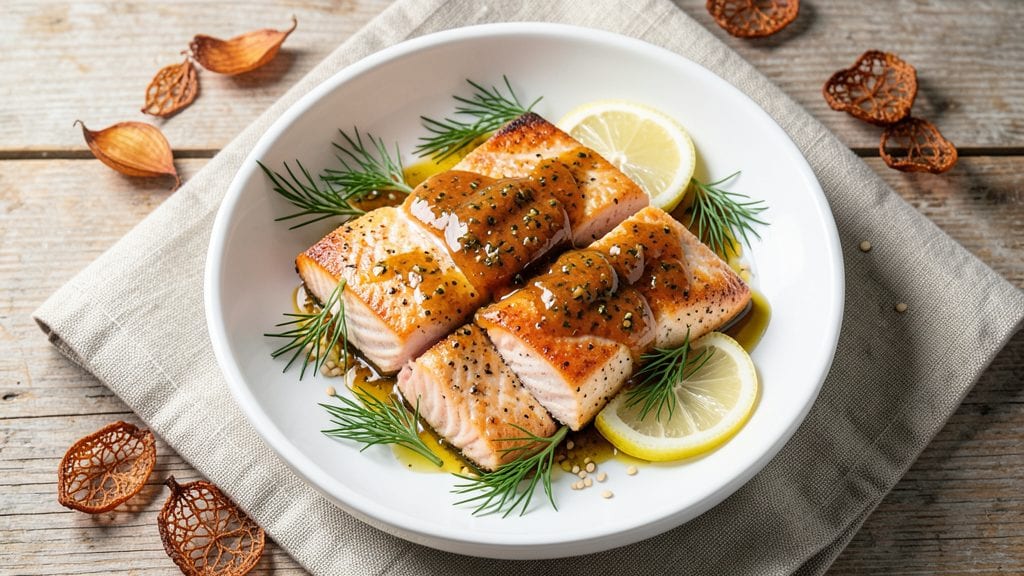
This baked salmon recipe from Natasha’s Kitchen delivers restaurant-quality flakiness with a bright lemon-dill crust that seals in moisture while creating crispy skin. The secret lies in a precise balance of acidity, herbs, and high-heat baking—no fancy techniques required, just a well-prepared fillet and a few key ingredients.
I’ve perfected this method after years of testing, ensuring every bite is tender yet firm, with a burst of citrus and fresh dill that cuts through the richness.
The recipe begins with a simple yet transformative crust made from lemon zest, fresh dill, olive oil, and a touch of Dijon mustard—elements that work together to create a fragrant, golden-brown seal.
Unlike many baked salmon recipes that rely on heavy sauces or butter, this version keeps things light while delivering maximum flavor.
The fillet rests on a bed of aromatics (lemon slices and fresh dill) that infuse the salmon as it bakes, guaranteeing a dish that’s as visually appealing as it is delicious.
By the time it emerges from the oven, you’ll have perfectly baked salmon with flaky perfection—moist, tender, and effortlessly elegant. The crust holds its shape, offering a satisfying contrast to the melt-in-your-mouth texture inside.
This recipe is designed to impress without being overly complicated, making it ideal for weeknight dinners or special occasions where you want to showcase your skills.
Pair it with roasted asparagus, a simple quinoa salad, or crusty bread to soak up the lemony juices. The beauty of this method is its versatility—adjust the seasoning to suit your taste, or swap in other herbs like thyme or parsley for a different flavor profile.
Let’s get started on creating your perfect baked salmon.
Ingredients for baked salmon recipe natasha's kitchen
Bright lemon-dill crust plus these simple ingredients transform basic salmon into restaurant-quality perfection.
| Ingredient | Amount | Notes |
|---|---|---|
| Center-Cut Salmon Fillets 🐟 | 4 whole | Skin-on, 6-8 oz each |
| Extra-Virgin Olive Oil 🫒 | 2 tbsp | High quality, fruity |
| Fresh Lemon Zest 🍋 | 1 tbsp | From 1 large organic lemon |
| Fresh Dill 🌿 | ½ cup | Chopped, stems removed |
| Dijon Mustard 🍯 | 1 tbsp | Mild or strong preferred |
| Lemon Slices 🍋 | 4 slices | Thin, from 1 lemon |
| Garlic Cloves 🧄 | 2 cloves | Minced, fresh preferred |
| Sea Salt 🧂 | 1 tsp | Fine grain, kosher preferred |
| Freshly Ground Black Pepper 🌶️ | ½ tsp | Coarsely ground |
| Unsalted Butter 🧈 | 1 tbsp | Cold, for crust |
| Lemon Juice 🍋 | 1 tbsp | Freshly squeezed |
| Fresh Thyme Leaves 🌿 | 4 whole | Optional, for garnish |
The salmon fillets are everything here—center-cut ensures even cooking, and skin-on gives that coveted crisp. Look for fillets with bright pink color and firm texture at the seafood counter. Whole Foods or local fish markets often have the freshest cuts, but don't stress if your supermarket's selection is good. The fillets should be roughly 6-8 oz each—any smaller and they'll dry out. Pat them dry before baking (trust me on this), and let them sit at room temperature for 10-15 minutes before cooking for even doneness.
No fresh dill? Dried dill at one-third the amount works in a pinch, but fresh is ideal for that bright flavor. The lemon zest should be bright yellow—if it's grayish, your lemons are past their prime. Running short on Dijon? Yellow mustard plus 1 tsp lemon juice mimics the tang. For the lemon slices, thin them with a mandoline or sharp knife—they should be translucent. The butter matters here too: cold butter creates the best crust, so take it straight from the fridge. Want extra flavor? Mix in 1/4 tsp minced shallot with the garlic.
This dish reheats beautifully—wrap leftovers in foil and bake at 300°F for 10 minutes. Keeps 2 days in the fridge, though I always make extra to freeze. Portion into single servings before freezing for easy lunches. The lemon-dill crust loses some crisp after reheating, but the flavor stays vibrant. For serving, I like to arrange the salmon on a platter with the lemon slices fanned out around it—looks fancy, takes 30 seconds.
Why You'll Love This Recipe
- Here’s what sold me: that perfect contrast of a golden, slightly crispy edge with a tender, flaky center. The olive oil keeps it moist while the oven does all the work, and the fresh dill—honestly, it smells like summer the second you open the oven door. It’s the kind of dish that makes you pause mid-bite just to appreciate it.
- I’ll be real: most baked salmon leftovers are sad. Not this one. The flavors only deepen overnight, and it reheats in seconds—just a quick zap in the microwave or a warm in the oven. My kids actually ask for it the next day, and that’s saying something. Plus, it’s budget-friendly enough that I don’t feel guilty buying the center-cut fillets. Worth every penny.
Step-by-step instructions for lemon-dill crust baked salmon
Here's how to create restaurant-quality baked salmon with a golden crust and melt-in-your-mouth flakiness.
Prep the Salmon for Maximum Flakiness
Preheat your oven to 375°F while you prepare the salmon. Pat each center-cut salmon fillet dry with paper towels—this step is crucial for achieving that perfect crispy crust. I like to press firmly, especially along the skin side where moisture tends to linger.
Place the fillets skin-side down on a parchment-lined baking sheet. The skin will protect the delicate flesh and help create that beautiful golden crust. Arrange them in a single layer with about ½ inch of space between each fillet to allow for even cooking.
Create the Flavorful Lemon-Dill Crust
In a small bowl, combine the 1 tbsp fresh lemon zest, 0.5 cup chopped fresh dill, 1 tbsp Dijon mustard, 1 tbsp lemon juice, 1 tsp sea salt, and 0.5 tsp freshly ground black pepper. Mix thoroughly until the dill is evenly distributed and the mustard is fully incorporated. This bright, herby mixture will infuse the salmon with incredible flavor.
Spread this mixture evenly over the top of each salmon fillet, pressing gently to help it adhere. Be generous—you want every bite to be packed with that lemon-dill goodness. The mustard will help create a beautiful crust while adding depth of flavor that complements the salmon perfectly.
Add the Butter and Lemon Slices
Cut the 1 tbsp unsalted butter into small pieces and scatter them evenly over the lemon-dill mixture on each fillet. The butter will melt and create that irresistible golden crust while adding richness. Place 1 lemon slice on top of each fillet—this not only adds visual appeal but also infuses the salmon with even more citrus flavor as it bakes.
For an extra touch, sprinkle the 4 whole fresh thyme leaves over the top of each fillet. The thyme will release its aromatic oils during baking, adding another layer of complexity to the dish. This is where the magic happens—simple ingredients combining to create something extraordinary.
Bake to Perfect Flaky Perfection
Carefully transfer the baking sheet to the preheated oven and bake for 12-15 minutes. You'll know it's ready when the crust is golden brown and the salmon flakes easily with a gentle fork test. The internal temperature should reach 145°F when measured in the thickest part of the fillet.
I always check for doneness at the 12-minute mark—the salmon cooks quickly and can go from perfect to overdone in just a couple of minutes. The skin should be crisp and the flesh should separate cleanly. If you're unsure, err on the side of slightly undercooked—salmon continues to cook slightly after removal from the oven.
Rest and Serve with Confidence
Remove the salmon from the oven and let it rest for 3-5 minutes before serving. This resting period allows the juices to redistribute throughout the fillet, ensuring every bite is moist and flavorful. The crust will remain crisp while the interior stays perfectly flaky.
Serve immediately with your favorite sides—perhaps a fresh salad or roasted vegetables. The aroma of the lemon-dill crust will fill your kitchen, and each bite will deliver that perfect balance of crispy exterior and tender, flaky interior. This is the kind of dish that makes weeknight dinners feel special without the fuss.
Pro Tips For Making Baked Salmon Recipe Natasha'S Kitchen
- DRY THE FISH FIRST: Pat those salmon fillets thoroughly with paper towels—even if they look dry at first. I learned this the hard way when my salmon turned out soggy after baking; moisture on the skin prevents that perfect crispy edge. Take 30 seconds, do it right, and you’ll get that golden crust the recipe promises.
- ZEST THE LEMON FRESH: Skip the pre-grated zest—it’s dull and often bitter. Use a microplane to get fine, fragrant lemon zest right before mixing it into the mustard. The flavor fades fast, and nothing beats the bright citrus punch this dish needs. (Yes, even if you’re impatient like me.)
- DON’T OVERMIX THE DILL: Tear the fresh dill by hand instead of chopping it—it releases more flavor and looks better. Over-chopping turns it into dill sludge, and that’s a vibe no one wants. Roughly mix it in at the end so the leaves stay intact and aromatic.
- USE A THIN LAYER OF OIL: Brush just enough olive oil on the salmon—about 1 teaspoon per fillet—to coat it lightly. Too much makes the skin greasy; too little means no flavor transfer. The Dijon mustard marinade does the heavy lifting, so don’t drown it. (This isn’t a salad.)
Perfect pairings for baked salmon recipe natasha's kitchen
Citrusy Side Dishes
Bright, acidic sides cut through the richness of the salmon beautifully. I love serving this with roasted lemon-garlic asparagus—toss 1 bunch asparagus with 1 tbsp olive oil, 1 minced garlic clove, zest of ½ lemon, and ¼ tsp red pepper flakes.
Roast at 400°F for 12-15 minutes until tender-crisp. 🍋
Another winner is cucumber-dill salad—slice 1 English cucumber and toss with 2 tbsp chopped fresh dill, 1 tbsp lemon juice, 1 tbsp olive oil, ½ tsp salt, and ¼ tsp black pepper. The cool crunch contrasts perfectly with the warm salmon.
Herbaceous Grain Options
For a heartier pairing, try lemon-herb quinoa—cook 1 cup quinoa in 2 cups vegetable broth, then fluff with 1 tbsp lemon zest, 2 tbsp chopped dill, 1 tbsp chopped parsley, and 1 tbsp olive oil. The nutty quinoa absorbs the salmon's lemony juices beautifully.
Brown rice pilaf with toasted almonds also works—sauté 1 cup brown rice with 1 tbsp butter, 1 minced garlic clove, and ¼ cup sliced almonds. Finish with 1 tbsp lemon juice and 2 tbsp chopped dill after cooking. The nutty grains complement the salmon's delicate flavor.
Wine Pairings
A crisp Sauvignon Blanc from New Zealand is my go-to—look for one with bright citrus notes like Cloudy Bay or Oyster Bay. The wine's zesty acidity mirrors the lemon-dill crust, cleansing your palate between bites. Serve slightly chilled (45-50°F) for the best experience. 🍷
For red wine lovers, a light Pinot Noir from Oregon or California offers a subtle earthiness that won't overpower the dish. Choose one with red fruit notes like La Crema or Meiomi. Decant for 15-20 minutes before serving to soften tannins and enhance aroma.
Non-Alcoholic Refreshers
For a refreshing non-alcoholic pairing, try sparkling lemonade—mix 1 cup fresh lemon juice, ½ cup honey or agave, and 4 cups sparkling water. Add 4 fresh mint leaves and ice cubes for a bright, effervescent drink that complements the salmon's citrusy notes. 💧
Another great option is cucumber-mint iced tea—brew 4 green tea bags in 4 cups hot water, then chill. Add ½ cup cucumber juice, 4 mint leaves, and 1 tbsp honey. Serve over ice for a light, refreshing contrast to the rich salmon.
Nutrition facts
Frequently asked questions
Can I use skinless salmon fillets for this recipe?
While skinless salmon works, you'll miss the crispy texture that makes this recipe special. If you must use skinless, place the fillets on a parchment-lined tray and bake at 375°F for 10-12 minutes—just reduce the time slightly. The crust will be softer but still flavorful.
What if my salmon comes out dry?
Overcooking is the usual culprit. Always check the internal temperature—it should reach 145°F in the thickest part. For extra moisture, brush the fillets with 1 tbsp olive oil before adding the crust, or bake at 350°F for 14-16 minutes instead of 375°F.
How can I make this recipe ahead of time?
Prepare the lemon-dill crust mixture up to 1 day ahead and store it in an airtight container in the fridge. Assemble the salmon just before baking—this keeps the herbs fresh and the crust crisp. For leftovers, reheat wrapped in foil at 300°F for 10 minutes.
What herbs can I substitute for dill?
Fresh parsley or chives work beautifully for a milder flavor. For a stronger herbal note, try ½ cup chopped tarragon or ¼ cup chopped basil. Adjust the lemon zest to 2 tbsp if using milder herbs to maintain brightness.
Is this recipe suitable for meal prep?
Not ideal for full meal prep due to the crust losing crispness when reheated. However, you can prep the salmon without the crust (just season with salt and pepper), then assemble and bake fresh. Store components separately in the fridge for up to 2 days before baking.