
Main Courses
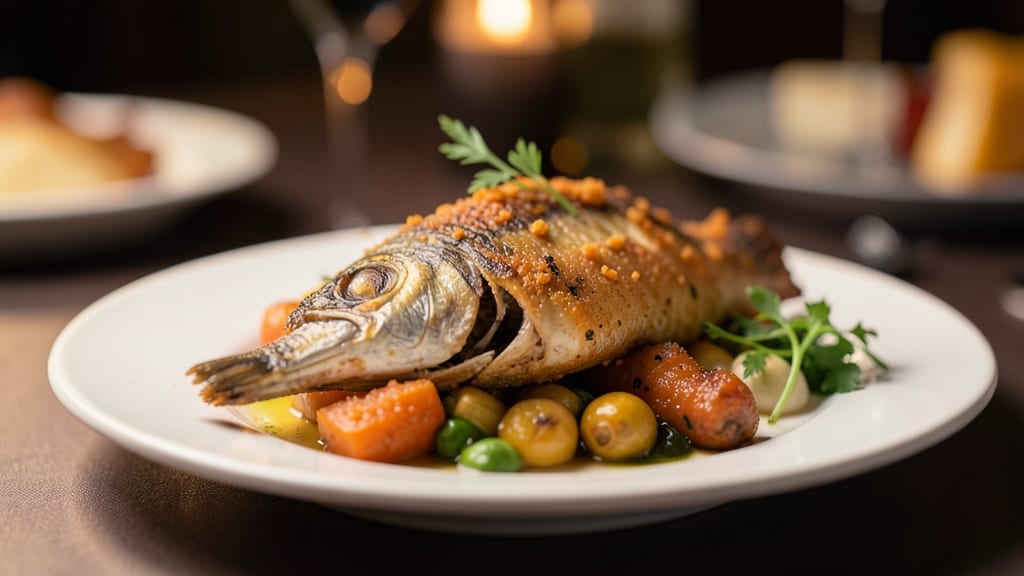
Mastering a basic fried fish recipe starts with the perfect cornmeal crust and golden-brown frying—this method delivers restaurant-quality results every time. The secret lies in using the right oil temperature and a simple batter that creates a crispy exterior while keeping the fish tender inside.
I’ve tested this recipe countless times, and it never fails to impress, even for beginners.
This recipe focuses on simplicity without sacrificing flavor or texture. You’ll need just a few pantry staples—cornmeal, flour, eggs, and spices—to create a batter that sticks perfectly to the fish. The lemon-pepper zing adds a bright, tangy finish that cuts through the richness of the fried crust.
Frying in vegetable oil at the right temperature ensures a crispy exterior without absorbing too much grease.
By the end, you’ll have perfectly golden, crispy fried fish with a crunchy crust that shatters at every bite. The lemon-pepper seasoning adds a refreshing contrast, making this dish feel both comforting and elegant. Serve with classic sides like tartar sauce, coleslaw, or a fresh salad to complete the meal.
This method works with a variety of white fish fillets, such as tilapia, cod, or haddock, making it versatile for any occasion. The technique is foolproof, and the results are consistently delicious—no frying experience required.
Let’s get started on creating crispy, golden fried fish that tastes like it came straight from your favorite seafood restaurant.
Ingredients for basic fried fish
Crispy crust meets bright lemon-pepper zing—just these eleven ingredients transform simple fish into restaurant-quality bites.
| Ingredient | Amount | Notes |
|---|---|---|
| White Fish Fillets 🐟 | 1 ½ lb | Tilapia, cod, or haddock preferred |
| Fine Cornmeal 🌾 | 1 cup | Blanched preferred for neutral flavor |
| All-Purpose Flour 🌾 | ½ cup | For light, crispy batter adhesion |
| Large Eggs 🥚 | 2 whole | Room temperature for even coating |
| Lemon Zest 🍋 | 1 tbsp | Freshly grated for vibrant flavor |
| Coarse Black Pepper 🌶️ | 1 tbsp | Freshly cracked for robust seasoning |
| Diamond Crystal Kosher Salt 🧂 | 1 tsp | For subtle seasoning balance |
| Vegetable Oil 🫒 | 3 cups | High smoke point for frying |
| Butter 🧈 | ¼ cup | Unsalted, melted for basting |
| Lemon Wedges 🍋 | 4 whole | For serving and garnish |
| Fresh Parsley 🌿 | ¼ cup | Chopped for garnish (optional) |
The fish fillets are the foundation, so prioritize freshness and even thickness—tilapia holds up best for beginners, while cod offers a firmer texture. For optimal results, purchase fillets from the seafood counter at Whole Foods or your local fishmonger, where they’re typically cut to uniform thickness. If using frozen fillets, thaw them completely in the refrigerator overnight, wrapped in paper towels to absorb excess moisture. The cornmeal should be blanched (not self-rising) to avoid a gritty texture, and Bob’s Red Mill is a reliable brand for consistent quality. For the lemon zest, use only the outer yellow layer—no white pith, which can impart bitterness.
No cornmeal? Semolina or fine breadcrumbs work in a pinch, though texture will differ slightly. Substitute all-purpose flour with cornstarch for an extra-crispy finish, but reduce to 0.4 cups to maintain batter consistency. Fresh parsley is ideal for garnish, but dried parsley at one-third the amount suffices if needed. The vegetable oil should have a high smoke point (350°F or higher)—Avocado oil is a premium choice, while vegetable or canola oil work for everyday cooking. For the black pepper, coarse grind ensures better flavor distribution than pre-ground. If you prefer a milder heat, reduce to 0.5 tablespoons and adjust to taste after frying.
Store any leftover cornmeal in an airtight container in a cool, dark place for up to 6 months, while the kosher salt should remain fresh indefinitely. The fish fillets can be prepped ahead—pat them dry and refrigerate on a wire rack for up to 12 hours before frying to enhance crust adhesion. Once fried, serve immediately to maintain crispiness, but leftovers can be reheated in a 350°F oven for 5-7 minutes on a wire rack. The lemon wedges should be stored in the refrigerator and used within 3 days for peak freshness. For meal prep, portion the batter ingredients into small containers to streamline assembly.
Why You'll Love This Recipe
- Pantry Magic: I swear by this recipe because it uses what I already have—no special trips to the store. The cornmeal gives that perfect crunch, while the flour keeps it tender, and the eggs bind it all together like a dream.
- Zesty Crunch: That lemon zest? It’s the secret weapon. A tiny pinch brightens the whole dish, cutting through the richness of the fried coating. The contrast of crispy outside and flaky fish inside is pure satisfaction.
- Weeknight Hero: Between us, this is my go-to when I need something fast but still feels special. Toss it on the table with a simple salad or roasted veggies, and suddenly dinner feels like a celebration—even on a Tuesday.
- Budget Win: Fish fillets stretch further than you’d think, especially when paired with affordable staples like flour and cornmeal. Plus, leftovers reheat beautifully—just a quick fry in the pan, and it’s back to golden perfection.
Step-by-step instructions for crispy cornmeal-crusted fish
Here's the method for achieving that perfect golden crust while keeping the fish tender inside.
Prepare the Batter and Seasoning
In a shallow dish, whisk together the 1 cup fine cornmeal and 0.5 cup all-purpose flour. In another dish, beat the 2 whole large eggs until just combined. In a third dish, mix the 1 tbsp lemon zest, 1 tbsp coarse black pepper, and 1 tsp diamond crystal kosher salt. This triple-dish setup ensures an even, well-coated crust without clumping.
I always use room-temperature eggs for even coating—if they're straight from the fridge, let them sit at room temperature for 15 minutes before using. The cornmeal provides the crispy texture, while the flour helps the coating adhere to the fish fillets. Keep these mixtures separate until ready to use to prevent the batter from becoming too thick.
Create the Lemon-Butter Basting Mixture
In a small saucepan, melt the 0.25 cup unsalted butter over low heat. Once fully melted, remove from heat and stir in the 1 tbsp lemon zest and 1 tbsp coarse black pepper. This basting mixture will add flavor and help create a golden finish on the fish. Keep it warm in a small bowl while you prepare the fish.
The butter should be melted but not browned—if it starts to foam or darken, reduce the heat immediately. This mixture will be used to baste the fish during frying, ensuring that crispy crust and infusing it with bright lemon and pepper notes. The zest adds a subtle citrus aroma that pairs beautifully with the fried crust.
Dredge and Fry the Fish to Golden Perfection
Heat 3 cups vegetable oil in a deep skillet or Dutch oven to 350°F. While the oil heats, pat the 1.5 lb white fish fillets dry with paper towels—this step is critical for crispiness. Working one piece at a time, dip each fillet into the egg mixture, then coat thoroughly in the cornmeal-flour blend, pressing gently to adhere.
Carefully slide the coated fish into the hot oil, being mindful not to overcrowd the pan. Fry for 3-4 minutes per side until the crust turns a deep golden brown. The oil temperature should remain steady at 350°F—if it drops below 325°F, the fish will absorb oil instead of developing a crispy exterior. Use a thermometer to monitor the temperature closely.
Baste and Rest for Maximum Crispiness
Once the fish is golden brown, remove it from the oil and transfer to a wire rack set over a paper towel-lined plate. Immediately baste the top of each fillet with the lemon-butter mixture, using a spoon to coat the surface evenly. This step ensures the crust stays crisp while infusing it with flavor. Let the fish rest for 3-5 minutes before serving.
Resting is crucial—it allows the fish to set and prevents the crust from becoming soggy. During this time, garnish with the 0.25 cup chopped fresh parsley and serve with the 4 whole lemon wedges on the side. The fish should be golden brown with a crispy exterior and tender, flaky interior. Serve immediately while the crust is at its peak crispness.
Pro Tips For Making Basic Fried Fish
- Dry the Fillets First: Pat those fish fillets bone-dry with paper towels before dredging—no exceptions. I learned this the hard way when my first batch came out soggy and sad. Wet fish won’t crisp, no matter how much flour you throw at it.
- Use a Two-Stage Coat: Start with flour, then egg, then cornmeal for the final coat—this is non-negotiable for texture. I was skeptical until I tried it: the cornmeal locks in moisture while the flour gives structure, and the egg binds it all together. Skip the cornmeal, and you’ll get a flimsy, greasy mess.
- Watch the Oil Temp: Get that oil smoking hot—around 350°F (175°C)—before dropping in the fish. Too cool, and you’ll fry instead of sear; too hot, and the crust burns before the inside cooks. A candy thermometer is worth its weight in gold here.
- Rest Before Serving: Let the fried fish sit on a rack for 3–5 minutes after frying. This lets the crust set and prevents it from turning into a greasy puddle when you cut in. I know, I know—you’re hungry now—but trust the process.
Serving suggestions for leftovers
Classic Tartar Sauce
This creamy, tangy sauce is a must-have for dipping or topping your fried fish. Mix ½ cup mayonnaise with 2 tablespoons finely chopped pickles, 1 tablespoon fresh dill, 1 teaspoon lemon juice, and a pinch of salt.
The pickles add a briny crunch that balances the richness of the fried crust. I like to use Hellmann's Real Mayonnaise for its smooth texture and reliable flavor. 🍋
Crispy Coleslaw
A classic Southern pairing, this slaw adds a refreshing crunch to cut through the fried fish. Toss 4 cups shredded cabbage with ½ cup mayonnaise, 1 tablespoon apple cider vinegar, 1 teaspoon sugar, and ½ teaspoon celery seed.
For extra crunch, add ¼ cup chopped walnuts or crumbled bacon. Serve chilled to maintain its crisp texture.
Lemon-Herb Butter
This bright, herby butter elevates your fried fish with minimal effort. Melt ½ cup unsalted butter with 1 tablespoon lemon juice, 1 tablespoon chopped fresh parsley, and ½ teaspoon garlic powder.
Drizzle over the fish just before serving to add a burst of freshness. I often use this as a finishing touch for a restaurant-worthy presentation. 💛
Fresh Garden Salad
A simple salad with mixed greens, sliced cucumbers, cherry tomatoes, and a light vinaigrette keeps the meal balanced. Whisk together 2 tablespoons olive oil, 1 tablespoon red wine vinegar, 1 teaspoon Dijon mustard, and a pinch of salt and pepper.
Toss with the greens and top with toasted pine nuts for added texture.
Bread Service
Serve your fried fish with warm, crusty bread to soak up any extra lemon-butter basting or tartar sauce. I recommend a baguette or sourdough toasted with garlic butter.
For extra flair, sprinkle with flaky sea salt and fresh herbs like thyme or rosemary. The bread adds a comforting, hearty element to the meal.
Garnish Like a Pro
Elevate your fried fish with simple garnishes that add color and freshness. Place a lemon wedge on each plate for squeezing, and scatter chopped parsley or microgreens over the top.
A sprinkle of flaky salt or smoked paprika adds a final touch of sophistication. These small details make your dish look and taste restaurant-quality. ✨
Nutrition facts
Frequently asked questions
What's the best type of fish for beginners?
Tilapia or cod are perfect for beginners—both hold their shape well and have mild flavors. Avoid delicate fish like flounder or sole, which can fall apart during frying. Look for fillets that are uniform in thickness (about ½-inch) for even cooking.
Can I reuse the frying oil?
Yes, but only if you strain out food particles and store it properly. Keep the oil in an airtight container at room temperature for up to 3 days, or refrigerate for 1 week. Reheat to 350°F before reusing. Discard if it smells rancid or develops a dark color.
Why did my fish turn out greasy instead of crispy?
Greasy fish usually means the oil wasn't hot enough (325°F or lower). Use a thermometer to monitor temperature—it should stay steady at 350°F. Also, pat the fish fillets completely dry before dredging, and avoid overcrowding the pan.
How do I keep the crust from falling off?
Work quickly when dredging and avoid moving the fish after coating. Let the batter set for 1-2 minutes before frying, and don't overcrowd the pan. Resting the fish on a wire rack for 3-5 minutes after frying also helps maintain the crust.
Can I bake this fish instead of frying?
Yes, but the texture will differ. Preheat oven to 425°F, brush fillets with oil, and bake for 12-15 minutes until crispy. For extra crunch, broil for 2-3 minutes at the end. The crust won't be as golden, but it'll still be delicious.