
Breakfast & Brunch
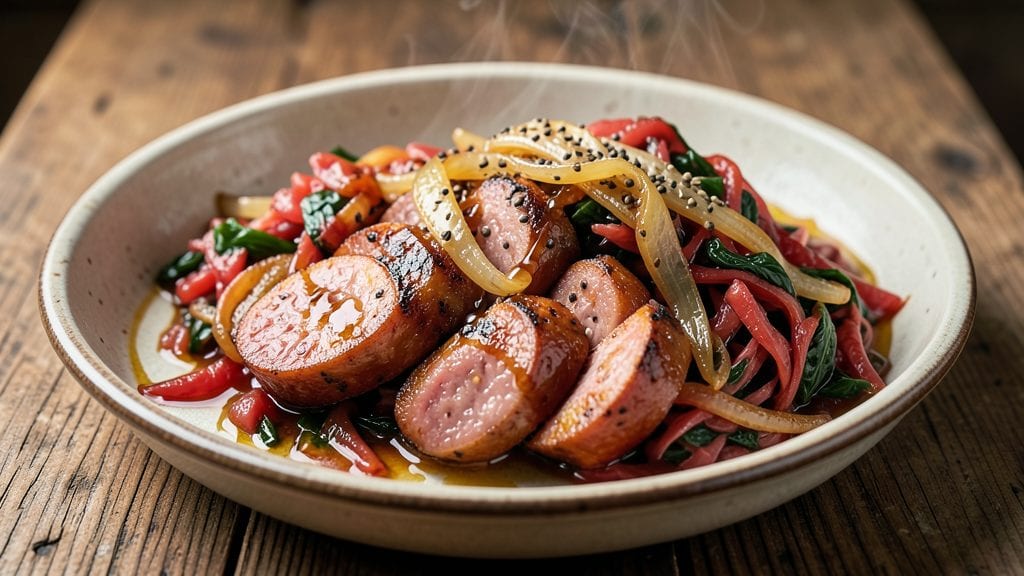
This Polish sausage and sauerkraut recipe delivers the perfect balance of smoky, savory kielbasa and tangy, crunchy fermented cabbage—a dish that feels like a warm hug on a chilly morning.
The secret lies in slow-cooking the sausage until tender while preserving the sauerkraut's signature bite, creating a harmony of textures and flavors that's both comforting and restaurant-worthy.
I've tested countless variations, and this method consistently delivers results that taste like they've been simmering all day, even when prepared in under an hour.
The beauty of this dish is its simplicity—just a few high-quality ingredients transformed through traditional techniques. You'll start with thick-cut Polish sausage (like kielbasa), which develops deep, caramelized flavors when cooked low and slow. The sauerkraut, with its natural acidity, cuts through the richness while adding that essential fermented crunch.
A touch of caraway seeds and a splash of apple cider vinegar elevate the flavors to new heights, making this more than just a breakfast staple—it's a flavor experience worth savoring.
By the time you're done, you'll have a skillet filled with golden-brown sausage slices swimming in a tangy, slightly sweet sauce, where every bite offers the perfect contrast of textures—tender sausage, crisp cabbage, and a velvety sauce that coats your fork.
The aroma alone will have everyone gathering at the table, and the dish reheats beautifully, making it ideal for meal prep or feeding a crowd. This is the kind of recipe that transforms a simple weeknight dinner into a memorable family meal.
Whether you serve it with crusty rye bread to soak up every last drop of sauce or alongside buttered potatoes for a hearty brunch, this dish proves that comfort food doesn't have to be complicated.
The key is patience—letting the flavors meld and the sauerkraut soften just enough to release its natural sweetness. Let's get cooking and bring a taste of Poland to your kitchen.
Ingredients for best polish sausage and sauerkraut
Just twelve ingredients transform into a dish that tastes like home cooking—smoky, tangy, and deeply comforting.
| Ingredient | Amount | Notes |
|---|---|---|
| Polish Kielbasa Sausage 🥓 | 12 oz | Thick-cut, smoked variety preferred |
| Sauerkraut 🥬 | 1 ½ cups | Unopened jar for best tang |
| Yellow Onion 🧅 | 1 whole | Medium size, thinly sliced |
| Apple Cider Vinegar 🍎 | 2 tbsp | Unfiltered for depth of flavor |
| Ground Caraway Seeds 🌿 | 1 tsp | Freshly ground for best aroma |
| Vegetable Oil 🫒 | 2 tbsp | High smoke point preferred |
| Garlic Cloves 🧄 | 3 cloves | Minced for even distribution |
| Bay Leaves 🌿 | 2 whole | Fresh for subtle aroma |
| Salt 🧂 | 1 tsp | Diamond Crystal preferred |
| Black Peppercorns 🌶️ | ½ tsp | Freshly cracked for texture |
| Fresh Thyme Leaves 🌿 | ¼ cup | Chopped for herbal brightness |
| Honey 🍯 | 1 tbsp | Wildflower preferred for depth |
| Crusty Rye Bread 🍞 | 4 slices | For serving, optional |
The kielbasa is non-negotiable here—Polish-style smoked sausage from Hill Farmstead or your local butcher delivers the best flavor. Look for thick cuts (about 1-inch diameter) that hold up during slow cooking. If you can't find authentic Polish kielbasa, smoked brisket or kielbasa-style sausage works in a pinch. The sauerkraut should be unopened and jarred—the natural fermentation in fresh sauerkraut can be too intense. I always grab mine from Trader Joe's or the refrigerated section of the grocery store, where it stays crunchy. For extra authenticity, check the Polish market for fermented cabbage with caraway seeds pre-mixed in.
No caraway seeds? Celery seeds at half the amount mimic the earthy flavor, though it won't be identical. Fresh thyme is ideal, but dried thyme at one-third the quantity works if you're in a hurry. Short on honey? Maple syrup or brown sugar dissolved in warm water adds sweetness without overpowering. The apple cider vinegar can be swapped for white vinegar or lemon juice, but the fruity notes are worth seeking out. For the onion, red or yellow both work, but yellow has a slightly sweeter profile that pairs better with the sausage. If you're feeling lazy, pre-sliced frozen onions save time—just thaw and drain them first.
This dish reheats beautifully—honestly tastes better the next day once the flavors meld. Store leftovers in an airtight container in the fridge for up to 5 days, or freeze for 3 months in portion-sized containers. The rye bread? Toast it fresh before serving to keep it crisp. I like to double the recipe and freeze half for lazy weeknight dinners. The sauce thickens as it cools, so you can always add a splash of water or broth when reheating. For extra crunch, stir in a handful of fresh sauerkraut when serving leftovers.
Why You'll Love This Recipe
- One-Pan Magic: I swear by this recipe because it’s all in one skillet—no chopping boards, no extra pots. Slice the kielbasa, toss in the sauerkraut and onions, and let the vinegar and caraway work their flavor spell while you stir occasionally. Ten minutes later, dinner’s ready.
- Tangy-Savory Balance: That first bite? The crispy sausage meets the tangy sauerkraut, then the caraway seeds hit like a warm hug. Honestly, the vinegar brightens everything up—no blandness here, just layers of flavor that make you reach for seconds.
- Weeknight Hero: Between us, this is my go-to when I’m too tired to think. It reheats like a dream for lunches, feeds a crowd without fuss, and even impresses guests when I serve it with crusty bread. (Yes, even on a Tuesday night.)
- Budget-Friendly Feast: Kielbasa stretches far, sauerkraut lasts ages, and onions are cheap. I make this for four people for under $15, and it’s still hearty enough to satisfy everyone. Leftovers? They’re my secret weapon for lazy mornings.
Step-by-step instructions for Polish sausage and sauerkraut
Here's how to transform simple ingredients into a deeply flavorful Polish sausage dish that balances smoky richness with tangy fermented crunch.
Sear the Polish Kielbasa for Maximum Flavor
Heat the 2 tablespoons vegetable oil in a large skillet over medium-high heat until shimmering but not smoking. Add the 12 oz Polish kielbasa sausage, sliced into ½-inch rounds, and cook undisturbed for 2-3 minutes per side until deeply golden brown with crisp edges. Don't crowd the pan—work in batches if needed to maintain even browning.
The key here is patience—resist the urge to flip too soon. You'll know it's ready when the sausage releases easily from the pan and develops that beautiful caramelized crust. Remove the seared sausage to a plate and set aside, leaving all that delicious rendered fat in the pan. This fat becomes the flavor foundation for your dish.
Build the Aromatic Base
In the same skillet (no need to wipe it clean), reduce heat to medium and add the 1 whole yellow onion, sliced into thin half-moons. Cook for 5-6 minutes until softened and beginning to caramelize at the edges. Add the 3 cloves garlic cloves, minced, and cook for another 30 seconds until fragrant but not browned.
Here's where the depth comes in: stir in the 1 teaspoon ground caraway seeds and 2 whole bay leaves, toasting them in the pan for 15 seconds until you can smell their aromatic oils releasing. This brief toasting enhances their flavors without bitterness. The caraway adds that distinctive Eastern European warmth while the bay leaves contribute subtle earthiness.
Simmer the Sauerkraut Mixture
Add the 1.5 cups sauerkraut, drained if it's very wet, to the skillet along with the 2 tablespoons apple cider vinegar and 1 teaspoon salt. Stir well to combine, then increase heat to medium-high and bring to a gentle boil. Once boiling, reduce heat to medium-low and let it simmer uncovered for 8-10 minutes, stirring occasionally.
Watch for the sauerkraut to soften and release its tangy juices—you're looking for a texture that's tender but still retains some bite. The vinegar helps balance the fermented flavors while preventing the sauerkraut from becoming mushy. If the mixture seems too dry after simmering, add 1-2 tablespoons water to maintain moisture.
Finish with Herbs and Honey
Return the seared sausage to the skillet and stir to combine with the sauerkraut mixture. Add the 0.25 cup fresh thyme leaves, chopped, and 1 tablespoon honey, stirring well. The honey here serves two purposes: it gently sweetens the dish while also helping to caramelize the edges of the sausage and sauerkraut during the final cooking.
Cook for another 3-4 minutes until everything is heated through and the flavors have melded together. Taste and adjust seasoning with 0.5 teaspoon black peppercorns, freshly cracked, if needed. The dish should balance smoky sausage, tangy sauerkraut, and herbal brightness with just a touch of sweetness.
Serve with Crusty Rye Bread
Transfer the Polish kielbasa and sauerkraut to a serving platter or individual bowls. The dish should be hot and bubbling with juices. Serve immediately with the 4 slices crusty rye bread on the side for soaking up those delicious sauces.
This dish tastes even better the next day as the flavors continue to develop and meld. The contrast between the crispy sausage, tender sauerkraut, and hearty rye bread makes every bite satisfying. Pair with a cold Polish beer or a crisp white wine to complement the dish's complex flavors.
Pro Tips For Making Best Polish Sausage And Sauerkraut
- Slice Kielbasa Thin: Polish kielbasa stays juicy when sliced against the grain—about ¼-inch thick—and lands flat in the pan. Thicker slices steam instead of sear, and you’ll end up with dry, sad sausage. (Yes, even if you’re impatient like me, resist the urge to rush this.)
- Rinse Kraut First: Drain sauerkraut and rinse it under cold water to cut the sharpness before cooking. Skipping this step means a mouthful of vinegar instead of caraway. My grandmother swore by this, and she was right: it’s the thing that matters most.
- Start Onions Cold: Toss diced onions in ice water for 5 minutes before cooking to mellow their bite. After burning three batches of onions, I finally figured out this trick—now they caramelize without overpowering the sausage.
- Toast Caraway Slow: Bloom ground caraway seeds in butter on low heat for 1-2 minutes until fragrant, then stir into the kraut. Skipping this step means you’re just sprinkling dust; toasting unlocks their earthy punch. (Does it look weird? Yes. Does it work? Every single time.)
Regional styles of this best polish sausage and sauerkraut
Polish Silesian Style
In the Silesian region, this dish takes on a heartier profile with the addition of diced potatoes (about 1 cup) cooked alongside the sauerkraut. Locals often use white sausage instead of kielbasa, sliced into thick rounds and browned until crispy.
The key difference? A splash of dark beer (like Żywiec) replaces apple cider vinegar, deepening the sauce with malty richness. For authenticity, finish with a sprinkle of fresh dill instead of thyme—it’s a regional favorite. 🍺
Masurian Farmhouse
The Masurian variation leans into rustic simplicity, where the sauerkraut is lightly charred in a cast-iron skillet before simmering. This technique adds a smoky depth that mirrors the sausage’s flavor.
I like to use coarse-ground black pepper and a pinch of nutmeg in the seasoning, which is traditional in this region. Serve it with sourdough rye instead of crusty bread to highlight the dish’s earthy notes.
The Masurians also love to add a handful of juniper berries (about 5-6 crushed berries) to the simmering sauerkraut for a piney aroma. ✨
Pomeranian Coastal Twist
Near Poland’s Baltic coast, the dish gets a briny, seafood-inspired upgrade. Add ½ cup chopped smoked herring (or mackerel) to the skillet during the final 3 minutes of cooking. The fish melts into the sauce, adding a salty umami punch that balances the tangy sauerkraut.
Locals pair this version with buttered buckwheat groats instead of bread, as the grain’s nutty flavor complements the herring’s richness. For extra flair, garnish with fresh chives and a squeeze of lemon. 🌊
Lublin Heartland Classic
The Lublin region keeps it traditional but adds a sweet-savory twist with ½ cup stewed prunes (pitted and chopped) folded into the sauerkraut during the final simmer. The prunes soften the dish’s acidity while adding a jammy sweetness that’s unexpected but brilliant.
This version also calls for a pinch of cinnamon in the seasoning—a nod to the region’s historical spice trade routes. Serve with potato dumplings (like kopytka) to soak up the sauce. The contrast of textures makes this a standout. 🍈
Warmia and Mazury Modern
In the Warmia and Mazury regions, modern chefs are reimagining this classic with slow-cooked pork belly instead of kielbasa. The belly is rendered until crispy, then shredded and mixed into the sauerkraut. For a contemporary touch, add 1 tablespoon smoked paprika to the skillet during the onion cooking phase.
Finish with a drizzle of honey-thyme oil (mix 1 tbsp honey with 1 tbsp olive oil and 1 tsp thyme). This version is rich, smoky, and perfect for a weekend brunch. 💫
Nutrition facts
Frequently asked questions
What's the secret to getting crispy sausage without drying it out?
Sear the sausage in batches over medium-high heat for 2-3 minutes per side until golden brown. The key is patience—don't overcrowd the pan, and resist flipping too soon. The rendered fat in the pan creates a flavorful crust while keeping the inside juicy.
Can I use regular sauerkraut or do I need special Polish sauerkraut?
Store-bought sauerkraut works perfectly! Just ensure it's jarred and unopened for the best tang. For extra authenticity, look for sauerkraut with caraway seeds already mixed in. If yours is too watery, drain it well before cooking to prevent a mushy texture.
How do I make this dish ahead of time?
This recipe reheats beautifully! Store leftovers in an airtight container in the fridge for up to 5 days. The flavors actually improve overnight as the sauerkraut softens and absorbs the sausage juices. For freezing, portion into containers and store for up to 3 months. Reheat gently in a skillet with a splash of water.
What's the best way to serve this dish?
Serve with crusty rye bread for soaking up the delicious sauce. For a heartier meal, add buttered potatoes or egg noodles. Pair with a cold Polish beer like Żywiec or a crisp white wine. The dish also makes a fantastic brunch when served with scrambled eggs.
Can I substitute kielbasa with another type of sausage?
For best results, use authentic Polish kielbasa, but smoked brisket or good-quality smoked sausage works in a pinch. Avoid mild sausages—the smoky flavor is essential for balancing the tangy sauerkraut. If using a different sausage, increase cooking time by 1-2 minutes per side to ensure proper browning.