
Soups & Stews
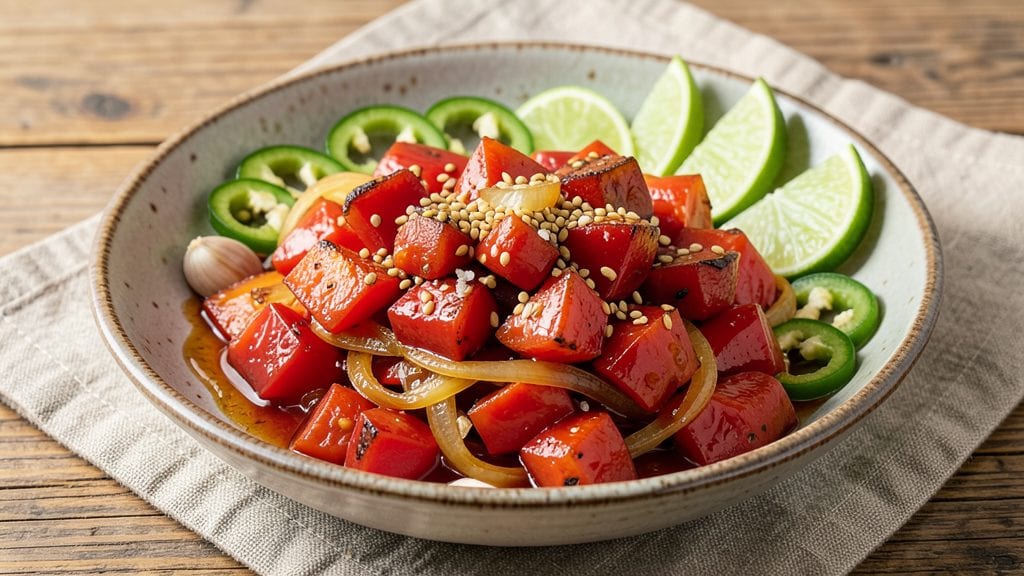
This canned fire-roasted tomato salsa recipe turns pantry staples into a smoky, shelf-stable treasure in just minutes. This canned salsa recipe delivers restaurant-quality depth with just a handful of ingredients and a few key techniques—perfect for dips, toppings, or marinades that elevate any dish.
The secret lies in balancing acidity and heat to preserve flavor while ensuring food safety through proper canning methods.
What sets this recipe apart is its versatility and longevity. The smoky char from fire-roasted tomatoes (or oven-roasted substitutes) infuses every bite, while a precise blend of garlic, onion, and acidifiers like lime juice or vinegar keeps the flavors vibrant for up to a year when canned correctly.
No specialty equipment is needed—just a few pantry basics and a well-ventilated workspace.
By the time you're done, you'll have a rich, velvety salsa with a perfect balance of smokiness, brightness, and texture—ideal for dipping chips, topping grilled meats, or brightening up tacos. The process is straightforward, but the results are professional-grade, making this a pantry essential that saves money and time.
Store it in sterilized jars for long-term use or refrigerate for freshness within weeks. Whether you're prepping for a party or stocking your kitchen for the year, this salsa delivers restaurant-quality flavor with minimal effort. Let's get started!
Ingredients for canned fire roasted tomato salsa
Pantry staples meet smoky sophistication in this shelf-stable salsa masterpiece.
| Ingredient | Amount | Notes |
|---|---|---|
| Fire-Roasted Diced Tomatoes (46 oz can) 🍅 | 3 cans | Fire-roasted or oven-charred for smoky depth |
| Yellow Onion 🧅 | 1 whole | Medium, finely diced (about 1 cup) |
| Garlic Cloves 🧄 | 6 cloves | Fresh, peeled, minced (about 2 tbsp) |
| Jalapeño Pepper 🌶️ | 1 whole | Seeds removed, finely diced (adjust for heat) |
| Lime Juice 🍋 | ½ cup | Freshly squeezed (about 2-3 limes) |
| Apple Cider Vinegar 🍶 | ¼ cup | For acidity and preservation |
| Kosher Salt 🧂 | 1 ½ tsp | Diamond Crystal preferred (1.5 tsp = 1 tsp table salt) |
| Cumin Seeds 🌿 | ½ tsp | Toasted lightly for aroma |
| Fresh Cilantro 🌿 | ¼ cup | Chopped, stems removed (optional garnish) |
| Extra-Virgin Olive Oil 🫒 | 2 tbsp | For jar sealing and drizzling |
The fire-roasted tomatoes are non-negotiable for authentic smoky depth—Muir Glen or Herdez brands deliver consistent quality. If using fresh tomatoes, char them under a broiler or gas flame for that signature flavor. Yellow onions should be sweet, not bitter—avoid red or white varieties for this recipe. Fresh garlic and jalapeños are best, but Trader Joe's frozen jalapeños work in a pinch. The lime juice must be freshly squeezed; bottled juice lacks the bright acidity needed for preservation. For cumin seeds, Whole Foods bulk section offers the freshest options—always toast them lightly before grinding to release their aromatic oils.
No fire-roasted tomatoes? Oven-roast Roma tomatoes at 450°F for 15 minutes with olive oil and smoked paprika. Substitute apple cider vinegar with white vinegar or lemon juice at the same ratio, though flavor will differ slightly. For heat, serrano peppers or chipotle powder (½ tsp) work well. Fresh cilantro can be swapped for dried cilantro or parsley at one-third the amount. The kosher salt is critical—Diamond Crystal measures differently than table salt, so adjust if using a different brand. For a smoother texture, blend half the batch before canning, but leave some chunky for authentic bite.
Sterilize jars and lids in boiling water for 10 minutes before filling. Seal with a thin layer of olive oil to preserve freshness. Properly canned salsa maintains quality for up to 1 year in a cool, dark pantry. Refrigerated versions last 3-4 weeks, though flavor peaks within the first week. Portion into smaller jars for gift-giving or meal prep—Ball mason jars are ideal for both canning and storage. Always check seals before storing; unsealed jars should be refrigerated and consumed within 5 days.
Why You'll Love This Recipe
- Five-Ingredient Magic: I swear, this is the kind of recipe where you open the pantry and boom—there it all is. No grocery run, no chopping marathon, just fire-roasted tomatoes, a quick sauté of onion and garlic, and a squeeze of lime to tie it all together. The jalapeño? Optional, but my kids fight over the last slice when I forget to remove the seeds.
- Smoky Depth in Minutes: That can of fire-roasted tomatoes? It’s already done half the work—deep, charred flavor without standing over a grill. The onion caramelizes just enough to sweeten the heat, while the garlic and lime cut through like a bright, fresh finish. Honestly, it’s the kind of salsa that makes you pause mid-bite, like, "Wait, how did this taste so good with so little?"
- Weeknight Superhero: This is my go-to when I’m staring at a half-empty fridge wondering what to feed people. Spread it on toast for brunch, dollop it into scrambled eggs, or serve it straight with chips—no one judges. (Yes, even on a Tuesday night when you’re too tired to think.)
- Leftovers That Don’t Suck: Unlike fresh salsa that turns to mush in three days, this keeps its vibrancy for weeks in the fridge. The acidity from the lime preserves it, and the texture stays perfect—no slimy giveaways. I’ve frozen batches for tacos in January, and they thawed like they were made yesterday. Budget-friendly? Absolutely. Reliable? Even more so.
Step-by-step instructions for canned fire roasted tomato salsa
Transform pantry staples into vibrant salsa with deep smoky flavor and bright acidity.
Toast Cumin Seeds for Aromatic Depth
Heat a dry skillet over medium-low heat and add the 0.5 teaspoon cumin seeds. Toast them for 1-2 minutes until they release their nutty aroma and begin to darken slightly. Watch closely—they burn quickly. Remove from heat immediately and let cool for 30 seconds before grinding lightly in a mortar and pestle or between two spoons. This step develops the cumin's earthy complexity that will carry through the salsa.
I find the best results come from fresh toasting rather than pre-ground cumin. The seeds release oils when toasted that create a more nuanced flavor profile than store-bought ground cumin. Set the toasted seeds aside—they'll infuse the entire salsa with their warm, earthy character.
Build the Base with Fire-Roasted Tomatoes
In a large mixing bowl, combine the contents of all 3 cans fire-roasted diced tomatoes with their juices. Add the finely diced yellow onion and minced garlic cloves. Stir well to distribute the onions and garlic evenly throughout the tomato mixture. The fire-roasted tomatoes already carry smoky depth from their processing, which forms the foundation of this salsa.
Let the mixture sit for 10 minutes at room temperature. This brief resting period allows the flavors to begin melding together. You'll notice the onions soften slightly and the garlic begins to release its aromatic oils. The tomatoes' natural acidity will start to brighten as they come to temperature.
Incorporate Acid and Heat Components
Add the 0.5 cup lime juice and 0.25 cup apple cider vinegar to the tomato mixture. Stir thoroughly to combine, then add the finely diced jalapeño pepper (seeds removed for milder heat). Sprinkle in the 1.5 teaspoons kosher salt and the toasted cumin seeds. The acid components will begin to break down the tomato fibers slightly, creating a more cohesive texture while balancing the smoky depth.
Taste the mixture at this stage. You should detect the bright citrus from the lime, the sharp tang of the vinegar, and the underlying smokiness from the tomatoes. The jalapeño should add just a hint of heat without overpowering. If you prefer more heat, add additional diced jalapeño now—remember to remove seeds for milder flavor.
Finish with Fresh Herbs and Emulsify
Gently fold in the 0.25 cup chopped fresh cilantro using a silicone spatula. The cilantro adds freshness that cuts through the smoky depth of the tomatoes. Drizzle in the 2 tablespoons extra-virgin olive oil while stirring continuously. The oil helps emulsify the mixture, creating a more cohesive texture rather than separate components.
Continue stirring for 2-3 minutes until the salsa reaches your desired consistency. If it's too thick, add 1-2 tablespoons water to loosen it. The final texture should be chunky but well-blended, with the oil evenly distributed throughout. The salsa should have a vibrant color—deep red from the tomatoes with bright green cilantro flecks.
Rest and Develop Flavors
Cover the bowl and let the salsa rest at room temperature for at least 30 minutes before serving. This resting period allows all the flavors to fully meld together. The acidity will mellow slightly while the smoky notes deepen. I find that salsa tastes significantly better after this resting time—it's worth the patience.
For best results, serve the salsa within 3-4 days when stored in an airtight container in the refrigerator. The flavors continue to develop over time, becoming more complex as the ingredients marry together. The acidity will help preserve the salsa naturally, but refrigeration maintains its freshness and prevents bacterial growth.
Pro Tips For Making Canned Fire Roasted Tomato Salsa
- SAUTE ON MEDIUM-HIGH: Fire-roasted tomatoes are already cooked, but you still want to caramelize the onions and garlic—just don’t burn them. Medium-high heat keeps the onion sweet and translucent in 8-10 minutes, while low heat makes you wait forever (and risk mushy texture). If your pan smells like charred regret, you’ve gone too far.
- MINCE THAT JALAPEÑO: I used to just chop the jalapeño into rough pieces, thinking it’d blend fine. Wrong. Finely mincing it (or even seeding and dicing) ensures even heat distribution and a smoother texture—no surprise spicy chunks when you’re mid-bite. If you hate chopping, freeze the pepper first for 10 minutes; it’ll slice like butter.
- SALT THE ONIONS FIRST: Toss the diced onion with ½ teaspoon salt before cooking—it draws out moisture and makes caramelization happen faster. Skip this, and you’ll end up with a watery salsa that needs constant stirring to evaporate excess liquid. (Yes, even if your tomatoes are drained—this step still matters.)
- STRAIN THE JUICE LAST: After blending, let the salsa sit for 5 minutes, then strain out the excess liquid through a fine-mesh sieve. This keeps the texture thick and vibrant without diluting the flavors. Pro move: Reserve the strained juice for a quick tangy drizzle if the salsa turns out too dry—no need to start over.
Make-ahead tips for this dish
Pre-Canning Prep
Sterilize your jars and lids by boiling them in water for 10 minutes before filling. I use Ball mason jars because they're designed for both canning and long-term storage. Place the sterilized jars on a clean kitchen towel to dry—never use a dish towel as it may harbor bacteria.
For extra safety, run the jars through a 200°F oven for 10 minutes if you're prepping ahead. This step ensures your salsa stays safe for up to 1 year when canned properly. 💡
Portion Control
Divide the salsa into pint or quart jars depending on your needs. I prefer pint jars for gift-giving or single servings, while quarts work better for family use. Fill each jar to within ½ inch of the top—this leaves room for the liquid to expand during processing.
Use a clean spoon or spatula to remove air bubbles trapped in the salsa, ensuring a proper seal. 🥫
Canning Process
Process pint jars in a water bath for 15 minutes and quarts for 20 minutes after the water reaches a rolling boil. I use a Ball canning rack to keep jars submerged and prevent them from touching the bottom.
Once processing is complete, remove the jars and let them cool completely on a towel—don't tighten the lids until they've cooled. This cooling process creates a vacuum seal that preserves the salsa. ✨
Refrigerator Storage
If you're not canning, store your salsa in an airtight container in the refrigerator for up to 3-4 weeks. The flavors actually improve over time as the ingredients meld together. I like to portion it into glass storage containers with tight-sealing lids to maintain freshness.
For best results, let the salsa sit at room temperature for 30 minutes before refrigerating to prevent condensation. 🧊
Freezer Adaptation
For long-term storage without canning, freeze the salsa in airtight containers or heavy-duty freezer bags. Leave 1 inch of headspace to account for expansion. Label each container with the date—frozen salsa keeps for up to 6 months while maintaining excellent quality.
To use, thaw overnight in the refrigerator and stir well before serving. 🥶
Gift-Giving Tips
When preparing salsa as gifts, use quart mason jars with decorative labels. I like to add a small wooden spoon or a recipe card tied with twine for a personal touch. Store the jars in a cool, dark place until ready to give.
Remember that canned salsa can be given as gifts but should be consumed within 1 year for best quality. For immediate use, refrigerated salsa makes a thoughtful hostess gift. 🎁
Nutrition facts
Frequently asked questions
Can I use fresh tomatoes instead of canned fire-roasted ones?
Yes, but you'll need to char them first! Roast 4-5 large Roma tomatoes under a broiler or over an open flame until blackened in spots. Peel off the skins, then proceed with the recipe. For extra smokiness, add ½ teaspoon smoked paprika to the toasted cumin seeds.
How do I adjust the heat level in this salsa?
Remove seeds from jalapeños for mild heat, or keep them for medium spice. For extra kick, add ½ teaspoon cayenne pepper or 1 chopped serrano pepper. For a smoky heat variation, substitute ½ teaspoon chipotle powder for the jalapeño entirely.
What's the shelf life for refrigerated vs. canned salsa?
Refrigerated salsa lasts 3-4 weeks with peak flavor in the first week. Canned salsa stays safe for 1 year when processed correctly. For best quality, use canned salsa within 6 months. Always check seals before opening.
Can I make this salsa without vinegar?
Yes, but acidity is crucial for preservation. Replace vinegar with ½ cup extra lime juice or ½ cup lemon juice. For canning, ensure total acidity meets 1.5% minimum by adding 1 teaspoon citric acid per quart.
What are the best ways to use this salsa?
Try it as a dip with tortilla chips, topping for grilled meats, or marinade for chicken. It also brightens tacos, quesadillas, and even pasta dishes. For extra richness, drizzle with avocado oil before serving.