
Side Dishes
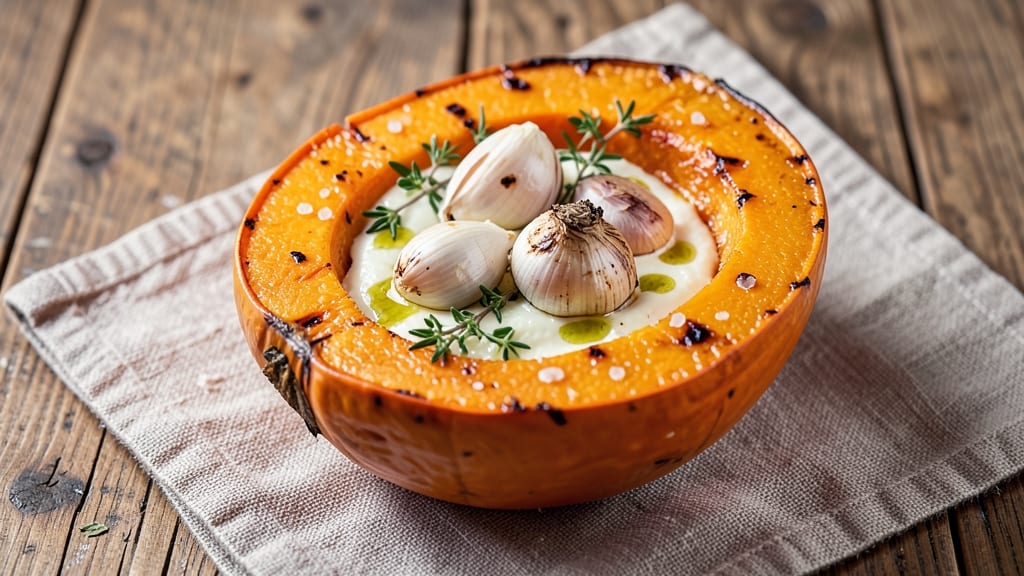
Mastering the art of cooked squash transforms this humble vegetable into a side dish with buttery crisp edges and silky centers that will elevate any meal.
This recipe focuses on roasting techniques that caramelize natural sugars while maintaining tender interiors, a balance that takes practice but delivers restaurant-quality results at home. The key lies in precise temperature control and strategic seasoning—simple yet transformative steps that make all the difference.
What sets this method apart is the dual-texture approach: high-heat roasting for crispy edges while protecting the center from overcooking. We'll use olive oil, salt, and pepper as our foundational seasonings, then explore optional variations like garlic, herbs, or a sprinkle of Parmesan for added depth.
The process takes about 30 minutes from start to finish, making it perfect for weeknight dinners or holiday feasts.
By the time you're done, you'll have perfectly cooked squash with a golden, caramelized exterior that contrasts beautifully against the tender flesh inside. The aroma alone will make your kitchen feel like a professional kitchen, while the texture provides that satisfying crunch with every bite.
This technique works equally well with acorn, butternut, or delicata squash, offering versatility for any season.
Pair these roasted squash halves with complementary dishes like seared chicken, grilled salmon, or a simple green salad to create a balanced meal. The rich, caramelized flavor makes it a standout side that holds its own alongside heartier mains.
Let's get started on this foolproof method that will change how you cook squash forever.
Ingredients for cooked squash
Four ingredients make the difference between soggy squash and golden, crisp-edged perfection.
| Ingredient | Amount | Notes |
|---|---|---|
| Medium Acorn Squash 🎃 | 2 whole | Cut into halves lengthwise |
| Extra-Virgin Olive Oil 🫒 | ¼ cup | High-quality, fruity variety |
| Kosher Salt 🧂 | 1 ½ tsp | Diamond Crystal preferred |
| Freshly Ground Black Pepper 🌶️ | ½ tsp | Freshly cracked preferred |
| Garlic Cloves 🧄 | 4 cloves | Minced for seasoning |
| Fresh Thyme Leaves 🌿 | ¼ cup | Chopped, stems removed |
| Parmesan Cheese 🧀 | ¼ cup | Freshly grated from block |
| Unsalted Butter 🧈 | 2 tbsp | Cold, cubed for topping |
| Honey 🍯 | 1 tbsp | For drizzling (optional) |
| Toasted Pecans 🥜 | ¼ cup | Chopped, for garnish (optional) |
The squash is your canvas—acorn or butternut work best for this technique, but delicata holds up too. Grab one from Whole Foods or your local farmers market for the freshest, firmest option. Look for heavy squash with no soft spots (that's the giveaway for staleness). If you're using pre-cut halves, skip the cutting step—just toss them straight into the oven. For whole squash, a sharp chef's knife and a sturdy cutting board are essential; the seeds are edible but require extra time to cook, so I usually scoop them out after roasting. The olive oil should be the good stuff—something you'd drizzle on pasta or salad. California Olive Ranch or Bertolli are reliable brands that won't break the bank.
No thyme? Fresh rosemary or sage works just as well—just halve the amount. The Parmesan is optional but adds that umami punch that makes this dish feel restaurant-worthy. Pre-grated cheese gets clumpy, so if you're using it, pulse it in a food processor first. Short on butter? Olive oil or coconut oil will work, but you'll lose that rich, buttery finish. The honey drizzle is purely optional but adds a beautiful contrast to the caramelized edges. If you're feeling fancy, swap the pecans for toasted walnuts or candied pecans from the baking aisle. And if you're worried about overcooking, don't be—the high heat and strategic cutting ensure crispy edges while keeping the centers tender.
Roasted squash reheats beautifully—just pop it back in the oven at 375°F for 10 minutes. Store leftovers in an airtight container for up to 5 days, though I rarely have any lingering that long. For meal prep, roast a batch on Sunday and portion into containers for the week. The flavor actually improves overnight as the caramelization deepens. If you're prepping ahead, skip the butter and honey until serving—those toppings are best added fresh. The pecans or nuts can be toasted and stored separately for up to 2 weeks in a sealed container.
Why You'll Love This Recipe
- One-Pan Magic: I cut the squash, toss it in oil, salt, and pepper, then roast it alongside minced garlic—no pots, no mess, just pure simplicity. The oven does all the work while I sip my coffee.
- Garlic-Kissed Goodness: That first bite of caramelized squash with fragrant, toasted garlic? It’s like autumn in your mouth. The pepper adds just enough bite to balance the sweetness without overpowering it.
- Weeknight & Holiday: Same recipe works for a quick weeknight dinner or a showstopping side at Thanksgiving. Roast it ahead, reheat it later—it’s my go-to for when I need something reliable but still impressive.
- Budget-Friendly Staple: Acorn squash is cheaper than takeout and lasts longer than leftovers usually do. A single squash feeds four, and the oil, salt, and garlic are pantry basics—no fancy shopping required.
Step-by-step instructions for buttery crisp edges and silky centers
Here's how to transform humble acorn squash into a showstopping side dish with perfect texture contrast.
Prep and Roast the Squash Halves
Preheat your oven to 400°F and line two baking sheets with parchment paper. Cut the 2 whole medium acorn squash into halves lengthwise, removing seeds and fibrous membranes. Brush the cut sides generously with the 0.25 cup extra-virgin olive oil, then sprinkle evenly with 1.5 teaspoons kosher salt and 0.5 teaspoon freshly ground black pepper.
Place the squash halves cut-side down on the prepared baking sheets. Roast for 30 minutes until the edges begin to soften and the flesh yields slightly when pressed with a paring knife. This initial roast creates the perfect foundation for both crisp edges and tender centers.
Create the Herb Garlic Butter
While the squash roasts, combine the 4 minced garlic cloves, 0.25 cup chopped fresh thyme leaves, and 2 tablespoons cold unsalted butter in a small bowl. Mix until the butter softens slightly but maintains its shape. This herb butter will infuse the squash with deep, aromatic flavor while adding luxurious richness.
For best results, use freshly grated parmesan cheese later in the process. The sharpness of freshly grated cheese enhances the buttery flavor profile significantly compared to pre-shredded varieties. Keep this mixture at room temperature until ready to use.
Flip and Complete the Roast
Carefully flip the squash halves cut-side up using oven mitts. Spread the herb garlic butter mixture evenly over each half, pressing gently to ensure good contact. Sprinkle with the 0.25 cup freshly grated parmesan cheese and return to the oven for another 20-25 minutes at 400°F.
Watch for the edges to develop a beautiful golden-brown crust while the flesh remains tender. The cheese should melt into a creamy blanket, and the butter should create those coveted crisp edges. You'll know it's perfect when the flesh easily separates with a fork but still holds its shape.
Finish with Optional Garnishes
Remove the squash from the oven and let rest for 5 minutes before serving. For an elegant presentation, drizzle with 1 tablespoon honey and sprinkle with 0.25 cup chopped toasted pecans. The honey adds a subtle sweetness that balances the savory flavors, while the pecans contribute satisfying crunch.
This final touch transforms the dish from simple to sophisticated. Serve immediately while the squash is still warm, with the crisp edges contrasting perfectly against the silky centers. The combination of roasted squash, herb butter, and parmesan creates a flavor profile that's both comforting and refined.
Pro Tips For Making Cooked Squash
- CUT THE TOP AT AN ANGLE: Acorn squash halves sit more securely when you slice the top off at a 45-degree angle—no wobbling, no spilling guts when you scoop out the seeds. I learned this the hard way after watching my first batch tip over like a drunk toddler.
- SALT THE FLESH BEFORE ROASTING: Toss the cut squash halves with olive oil and a generous pinch of kosher salt before they hit the oven. The salt draws out moisture, helping the skin crisp instead of steam like a sad, soggy blanket. (Yes, even if you’re impatient like me.)
- DON’T OVERCOOK THE GARLIC: Sear whole garlic cloves in olive oil until golden—about 3 minutes—then tuck them into the squash skin-side down. If you let them burn, you’ll taste bitter smoke instead of sweet, nutty garlic. Trust me, your future self will notice.
- LET IT REST UNDER FOIL: After roasting, tent the squash with foil and walk away for 5 minutes. This traps steam so the flesh stays tender instead of turning into a sad, dry sponge. I skip this step when I’m lazy, but the difference is real—like the gap between "good" and "great."
Regional styles of this dish
Southern Fried Squash
In the American South, squash gets a crispy, golden coating that rivals fried chicken. Start with butternut or acorn squash cut into ½-inch thick slices.
Toss in a mix of 1 cup all-purpose flour, 1 tsp paprika, ½ tsp cayenne, and ½ tsp salt, then dip in egg wash before frying in 350°F oil for 3-4 minutes until golden.
Serve with honey butter for dipping—this is a crowd-pleaser at Southern BBQs. 🍗
Italian Roasted Squash
Northern Italian cuisine transforms squash into a hearty side with rosemary and garlic. Use delicata squash (peeled and sliced into rings) tossed with 2 tbsp olive oil, 3 minced garlic cloves, 1 tbsp chopped rosemary, ½ tsp red pepper flakes, and 1 tsp salt.
Roast at 400°F for 20 minutes, then finish with grated Pecorino Romano and a drizzle of balsamic glaze. This version pairs perfectly with osso buco or braised meats. 🇮🇹
Mexican-Style Stuffed Squash
Southwestern kitchens often stuff squash with bold fillings. Halve acorn or kabocha squash, scoop out seeds, and roast cut-side down at 375°F for 25 minutes.
Then fill with a mix of black beans, corn, diced tomatoes, cumin, and chopped cilantro, topped with queso fresco. Bake another 15 minutes until edges caramelize. Garnish with avocado slices for a vibrant, protein-packed side. 🌶️
Japanese Miso-Glazed Squash
For an umami-rich twist, Japanese chefs glaze squash with miso. Cut hokkaido squash into wedges, toss with 1 tbsp olive oil, and roast at 400°F for 15 minutes.
Brush with a glaze of 1 tbsp white miso, 1 tbsp mirin, and 1 tsp honey, then roast 10 more minutes. Finish with toasted sesame seeds and serve with grilled fish or rice. This dish balances sweet, salty, and smoky flavors beautifully. 🍜
French Ratatouille-Inspired Squash
Provençal cooking turns squash into a layered vegetable medley. Slice zucchini and yellow squash into rounds, then layer with eggplant, tomatoes, and garlic in a baking dish. Drizzle with olive oil, sprinkle with herbes de Provence, and bake at 375°F for 40 minutes.
The result is a rustic, vegetable-forward dish that’s perfect alongside grilled lamb or crusty bread. 🥖
Nutrition facts
Frequently asked questions
What's the best squash variety for roasting?
Acorn and butternut squash are ideal for this technique—their dense flesh holds up beautifully to high heat. For quicker cooking, try delicata (its thin skin means no peeling!). Avoid overripe squash with soft spots, as it won't develop crisp edges.
Can I cook squash without an oven?
For stovetop squash, cut into ½-inch cubes and sauté in 1 tbsp olive oil over medium-high heat for 8-10 minutes, stirring often. Add ½ tsp salt and ¼ tsp pepper, then finish with a splash of water to steam for 2 minutes to tenderize. This works best with zucchini or yellow squash.
Why did my squash turn mushy instead of crispy?
Overcooking is the most common mistake—squash is done when edges are golden but flesh still holds shape. For crisp edges, roast cut-side down first (30 minutes at 400°F), then flip. If using a skillet, keep heat medium-high and avoid covering (steam makes it soggy).
How do I store leftover roasted squash?
Let squash cool completely, then store in an airtight container for up to 5 days in the fridge. Reheat at 375°F for 10 minutes—the texture won't be as crisp, but it reheats beautifully. For longer storage, freeze for up to 3 months (skip the butter/honey until reheating).
What are the best protein pairings for roasted squash?
Lean proteins balance squash's richness: try grilled chicken, pan-seared salmon, or herb-crusted pork tenderloin. For vegetarian meals, pair with crispy chickpeas or goat cheese. The caramelized edges hold up well against bold flavors like balsamic glaze or chimichurri.