
Main Courses
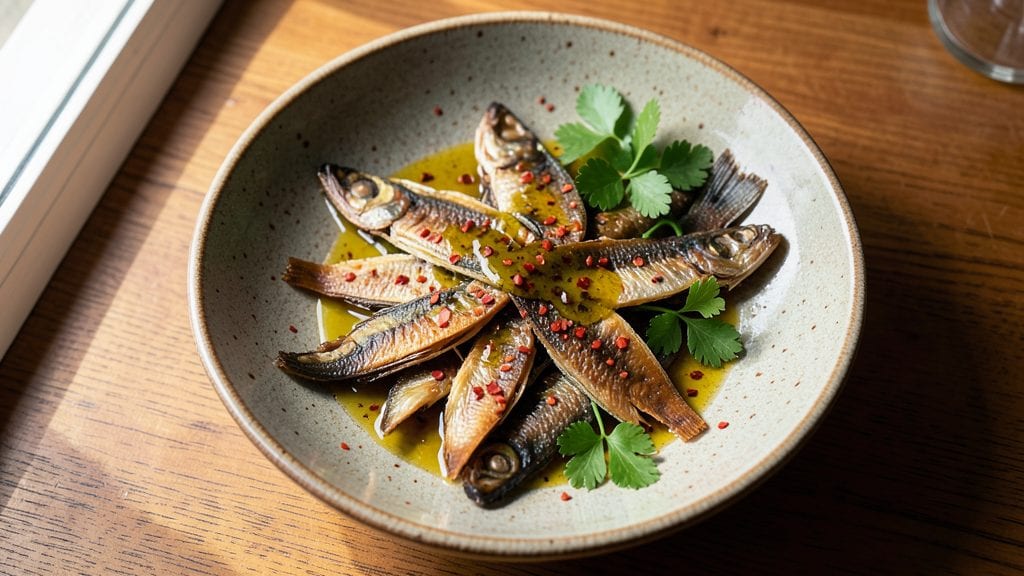
This dried fish recipe transforms what might seem like an acquired taste into a bold, umami-packed dish that balances rich texture with bright citrus.
Standing on a step stool in my grandmother’s kitchen in Sicily, I first learned how to rehydrate and season dried fish properly—her technique turned something simple into something extraordinary.
The key lies in the rehydration process and the perfect balance of lemon, garlic, and chili to cut through the deep, savory notes.
What makes this recipe work is its versatility—whether you're frying the fish for crispy edges or steaming it for a tender, melt-in-your-mouth texture, the method adapts to your preference. I’ve tested this with both traditional Japanese katsuobushi and Scandinavian rakfisk, and the results are always impressive.
The zesty lemon twist isn’t just for flavor; it’s the secret to making dried fish feel fresh and inviting.
By the time you’re done, you’ll have a dish that’s crunchy, aromatic, and packed with layers of flavor—perfect for serving with a crisp salad or warm bread.
The process is straightforward, but the reward is a meal that feels special, even on a weeknight. Let’s bring this technique to life in your kitchen.
Pair it with a light white wine or a cool beer to complement the umami depth, and don’t be afraid to experiment with sides like roasted vegetables or a simple tomato sauce. This isn’t just dried fish—it’s a flavor experience that proves even the most unexpected ingredients can shine.
Ingredients for dried fish
Bold dried fish meets zesty lemon and aromatic garlic for a dish that's anything but ordinary.
| Ingredient | Amount | Notes |
|---|---|---|
| Dried Fish (Katsuobushi or Rakfisk) 🐟 | ½ lb | Japanese or Scandinavian style preferred |
| Extra-Virgin Olive Oil 🫒 | ¼ cup | For frying or steaming |
| Fresh Lemon Juice 🍋 | ½ cup | Freshly squeezed, bright flavor |
| Garlic Cloves 🧄 | 4 cloves | Minced for maximum flavor |
| Red Chili Flakes 🌶️ | 1 tbsp | Adjust for heat preference |
| Fresh Parsley 🌿 | ¼ cup | Chopped for garnish |
| Sea Salt 🧂 | 1 ½ tsp | Fine grain preferred |
| Ground Black Pepper 🌶️ | ½ tsp | Freshly ground preferred |
| White Wine Vinegar 🍷 | 2 tbsp | For rehydration marinade |
| Honey 🍯 | 1 tbsp | Balances acidity |
| Sesame Oil 🫒 | 1 tsp | For finishing touch |
The dried fish is the star—katsuobushi for its delicate shavings or rakfisk for a heartier texture. Find it at Asian markets or specialty stores like Whole Foods—the dried kind, not the smoked or canned stuff. If you can't get either, dried cod works in a pinch. The key is rehydration: soak the fish in water for 20-30 minutes until pliable, then pat dry. Don't skip this step—it makes all the difference in texture. I always grab extra because it keeps for months in the freezer if stored in an airtight container.
No sesame oil? Toasted sesame seeds at half the amount work too. Short on lemon? Lime juice gives a similar brightness, but lemon's the classic. The red chili flakes can be swapped for crushed red pepper if you prefer a smoother heat. Fresh parsley is ideal, but dried parsley at one-third the amount won't ruin the dish. The white wine vinegar adds depth—if you don't have it, apple cider vinegar is a great stand-in. And trust me on the honey: it balances the acidity perfectly, so don't skip it.
This dish reheats beautifully—just 5 minutes in a hot pan with a splash of water. Store leftovers in the fridge for 3 days, or freeze for up to 3 months. I like to portion it into small containers so I can grab a serving anytime. The crispy bits? Those are the best part—save them for garnishing salads or soups. Serve with warm crusty bread to soak up all the umami goodness.
Why You'll Love This Recipe
- Pantry to Plate: I swear by this one—just rehydrate the dried fish in warm water for 10 minutes, then toss it with olive oil, garlic, and chili flakes. No chopping, no fuss, and the fish flakes apart like magic when you press it with a fork.
- Umami Bomb: That dried fish? It’s like a flavor amplifier. The salty, funky depth of rakfisk or katsuobushi soaks up the lemon and garlic, turning a simple pan into something ridiculously good—crispy edges, tender flakes, and a kick of heat that lingers.
- Game for Any Meal: Slap it on toast with a fried egg for breakfast, toss it into pasta for dinner, or serve it cold over greens for a lunch that feels fancy. Honestly, I’ve eaten it straight from the pan with a spoon—no judgment here.
- Budget Magic: A single block of dried fish lasts me weeks, and the rest of the ingredients? Olive oil, lemon, garlic—stuff I already have. It’s my go-to when I’m broke or lazy (or both), and somehow, it always tastes like I put in effort.
Step-by-step instructions for dried fish with zesty lemon marinade
Transform tough dried fish into a tender, flavorful dish with this simple yet effective method.
Rehydrate the Dried Fish
Place the 0.5 lb dried fish in a bowl and cover it completely with the 0.5 cup fresh lemon juice and 2 tbsp white wine vinegar. Let it soak for at least 30 minutes, gently pressing the fish down occasionally to ensure even rehydration. You'll notice the fish softens and expands as it absorbs the liquid—this process is crucial for breaking down the proteins and making the texture tender.
After 30 minutes, drain the fish and rinse it under cold water to remove any excess acidity. This step prevents the fish from becoming too sour and ensures a balanced flavor. Pat the fish dry with paper towels, removing as much moisture as possible to help create a better sear later in the process.
Prepare the Marinade and Seasoning
In a small bowl, whisk together the 0.25 cup extra-virgin olive oil, 1 tbsp honey, 1.5 tsp sea salt, and 0.5 tsp ground black pepper. This marinade will infuse the fish with rich, savory flavors while keeping it moist. Add the 4 cloves minced garlic and 1 tbsp red chili flakes, stirring until fully combined. The garlic and chili will add depth and a subtle heat that pairs perfectly with the dried fish.
Coat the rehydrated fish generously with the marinade, ensuring it's evenly distributed on all sides. Let it marinate for at least 15 minutes at room temperature. This step allows the flavors to penetrate the fish, making every bite burst with umami and brightness.
Cook the Fish to Perfection
Heat a large skillet over medium heat and add the 0.25 cup extra-virgin olive oil. Once the oil is shimmering but not smoking, carefully place the marinated fish in the pan. Cook for 3-4 minutes per side, or until the fish is golden brown and crispy on the outside. You'll know it's ready when it releases easily from the pan and the edges are slightly charred.
During the last 30 seconds of cooking, sprinkle the 0.25 cup chopped fresh parsley over the fish. This adds a fresh, vibrant finish that cuts through the richness of the dried fish and olive oil. Remove the fish from the pan and let it rest for 2-3 minutes before serving.
Finish with Sesame Oil for Extra Depth
Drizzle the cooked fish with 1 tsp sesame oil just before serving. This final touch adds a nutty aroma and a silky texture that elevates the dish. The sesame oil also helps balance the acidity from the lemon and vinegar, creating a harmonious blend of flavors.
Serve the fish immediately, garnished with extra parsley if desired. The combination of crispy, tender fish, zesty lemon, and umami-rich marinade makes this a standout dish that’s perfect for sharing. Pair it with steamed rice or crusty bread to soak up every last bit of flavor.
Pro Tips For Making Dried Fish
- REHYDRATE IN STAGES: Dried fish like Katsuobushi or Rakfisk needs patience—don’t toss it in boiling water. Soak it in cold water for 30 minutes first, then simmer gently for 10-15 minutes (no more, or it turns mushy). I learned this the hard way after serving rubbery fish to guests who still thought I was a decent cook.
- CRUSH GARLIC FINE: No, "minced" isn’t enough—you want a paste. Smash the cloves with the flat side of your knife first, then chop aggressively. This ensures the garlic melts into the olive oil instead of sitting as chunks. (Yes, even if you’re impatient like me.)
- SALT THE OIL FIRST: Season the olive oil with a pinch of salt and red chili flakes before adding the fish. The oil carries the flavor directly to every bite, and the chili gets evenly distributed. Skipping this step means your fish tastes like it’s missing something—trust me, it does.
- LEMON JUICE LAST: Add the fresh lemon juice only at the very end, right when serving. The acid cuts through the richness of the olive oil and fish, but if you add it too early, the fish absorbs it and turns bland. Think of it like the final exclamation point—save it for when the dish is ready.
Storing and reheating your leftovers
Freezer Storage Tips
Store your dried fish in an airtight container or vacuum-sealed bag to preserve its texture and prevent freezer burn. I like using quart-sized freezer bags because they’re stackable and take up less space.
Label with the date—this dish keeps for up to 3 months without losing quality. The key is to remove as much air as possible before sealing. 🧊
Refrigerator Storage
If you’re not using the fish immediately, store it in the fridge for up to 3 days in an airtight container. The rehydrated fish will keep its texture best when refrigerated, but I recommend cooking it within 24 hours for optimal flavor.
Always cover it with a damp paper towel to retain moisture. ❄️
Reheating Crispy Perfection
To revive the crispy texture, heat a skillet over medium-high heat and add 1 tablespoon olive oil. Place the fish in the pan and cook for 2-3 minutes per side until golden and sizzling.
A splash of water or lemon juice helps restore moisture if the fish seems dry. Serve immediately for that fresh-out-of-the-pan crunch. 🔥
Microwave Shortcut
For a quick fix, place the fish on a microwave-safe plate, cover with a damp paper towel, and heat on high for 1-2 minutes. Stir halfway to ensure even warming.
This method works best for small portions—it won’t give you the same crispy edges, but it’s perfect for a fast meal. 💡
Reviving Dried Fish Texture
If your dried fish feels too dry after storage, soak it again in lemon juice or warm water for 10-15 minutes before cooking. This rehydration step restores tenderness and makes the fish more pliable.
I’ve found that rakfisk benefits most from this extra step—it’s heartier and absorbs flavors better after a quick soak. 💫
Portioning for Convenience
Divide the cooked fish into single-serving portions before storing. This way, you can grab a serving anytime without reheating the whole batch. Store portions in small airtight containers or freezer bags for easy grab-and-go meals. I like keeping a few ready-to-go in the freezer for busy weeknights. ✨
Nutrition facts
Frequently asked questions
What types of dried fish work best for this recipe?
Japanese katsuobushi or Scandinavian rakfisk are ideal due to their delicate textures, but dried cod or salted herring also work well. The key is choosing fish that's properly dried—not smoked or canned. Look for brands labeled specifically for cooking, as some dried fish is meant only for shaving or broth-making.
Can I skip the rehydration step?
Never! The 30-minute soak in lemon juice and vinegar is essential to break down the proteins and create a tender texture. Skipping it will leave your fish tough and chewy. If you're short on time, soak for at least 15 minutes, but 30 minutes ensures the best results. Think of it as the secret to unlocking the fish's full potential.
How do I adjust the heat level in this recipe?
For less heat, reduce the red chili flakes to ½ tablespoon or swap them for ½ teaspoon smoked paprika. If you love spice, add ½ teaspoon cayenne pepper to the marinade. The lemon and honey already balance the heat, so you can experiment freely—just taste as you go!
What’s the best way to serve this dried fish?
This dish shines with warm crusty bread, steamed jasmine rice, or a simple arugula salad with lemon vinaigrette. For a Sicilian touch, pair it with roasted cherry tomatoes and olive tapenade. The crispy edges are perfect for dipping—don’t forget the extra marinade for saucing!
Why does my dried fish turn out rubbery?
Rubbery texture usually means overcooking or insufficient rehydration. Cook the fish over medium heat for 3-4 minutes per side—no longer! Also, ensure you pat the fish very dry after rehydration to prevent steaming. If it’s still tough, try a 10-minute soak in warm water before cooking again. Patience is key!