
Main Courses
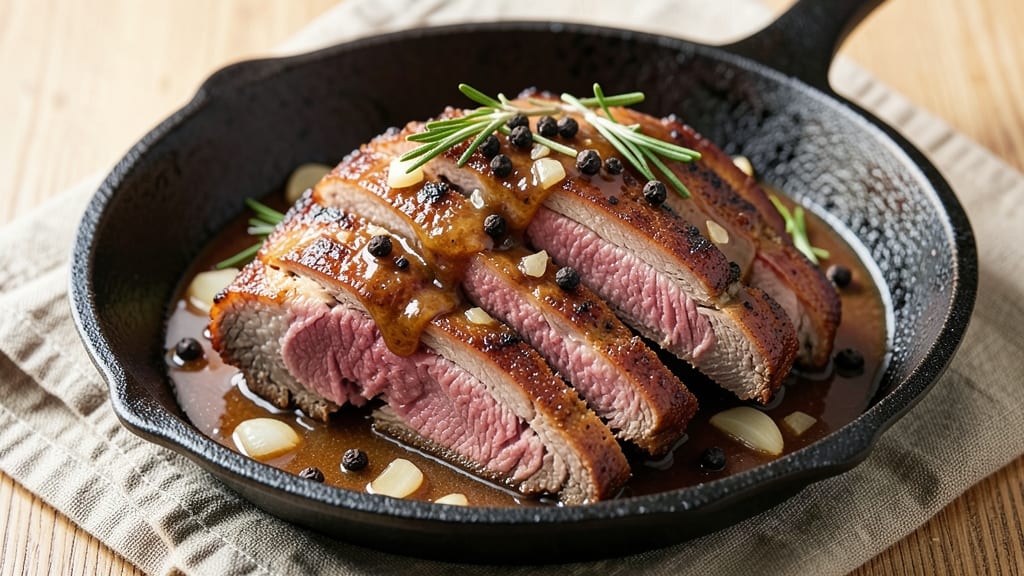
Transforming tough brisket into melt-in-your-mouth tenderness doesn't require a smoker—just your stovetop and this easy stovetop brisket recipe. The secret lies in low-and-slow cooking that breaks down the meat while building deep, smoky flavors without the need for specialty equipment.
After years of testing methods, I've perfected a technique that delivers restaurant-quality results in a standard pot.
This method focuses on three key steps: searing the brisket to lock in juices, slow simmering in a flavorful liquid to tenderize, and resting to ensure every slice stays moist. You'll use simple pantry staples—like beef broth, garlic, and spices—to create a rich, aromatic base that infuses the meat.
The process takes about 3 hours, but it's mostly hands-off time, making it perfect for busy weeknights or meal prep.
What you'll end up with is brisket that's so tender it practically falls apart at the touch, with a surface that's beautifully caramelized and infused with smoky depth. The texture is velvety, the flavor is complex, and the aroma alone will have everyone gathering around the table.
This is the kind of brisket that makes people ask for seconds before the plate is even empty.
Serve it sliced thin over creamy mashed potatoes, alongside roasted vegetables, or even in sandwiches for a hearty meal that feels special without requiring a smoker.
The leftovers reheat beautifully too, making this an ideal recipe for feeding a crowd or preparing ahead. Let's get started on creating your stovetop masterpiece.
Ingredients for easy stovetop brisket
Six ingredients make the base—brisket, broth, and simple pantry staples transform into restaurant-style tender meat.
| Ingredient | Amount | Notes |
|---|---|---|
| Beef Brisket 🥩 | 3 lb | Flat cut, 1-inch thick max |
| Beef Broth 💧 | 4 cups | Low-sodium preferred |
| Apple Cider Vinegar 🍎 | ¼ cup | For tenderizing |
| Brown Sugar 🍚 | ½ cup | Light or dark works |
| Garlic Cloves 🧄 | 6 cloves | Smashed, not minced |
| Onion 🧅 | 1 whole | Yellow or red, chopped |
| Smoked Paprika 🌶️ | 2 tbsp | For smoky depth |
| Ground Black Pepper 🌶️ | 1 ½ tsp | Freshly cracked |
| Salt 🧂 | 1 ½ tsp | Kosher or sea salt |
| Olive Oil 🫒 | 2 tbsp | For searing |
| Fresh Thyme Leaves 🌿 | ¼ cup | Or 1 tbsp dried |
| Bay Leaves 🍃 | 2 whole | Remove before serving |
| Beer 🍺 | 1 cup | Optional, dark ale preferred |
The brisket is your star, so don't skimp. Look for flat-cut brisket at Costco or Whole Foods—it's cheaper per pound and more consistent. A 1-inch thickness is ideal; thicker cuts need more time. If you're buying a whole packer, trim off any hard fat or silver skin. Freshness matters: the meat should be bright red, not grayish. I always grab mine the day I plan to cook it—brisket doesn't keep well once thawed. For extra tenderness, let it sit at room temperature for 30 minutes before searing.
No smoked paprika? Substitute with a mix of regular paprika and a pinch of liquid smoke. Fresh thyme is ideal but dried works at one-third the amount. Beer optional but worth it—dark ales like Guinness or stouts add depth. The apple cider vinegar might sound odd, but it's key for breaking down tough fibers. Substitute with lemon juice if you're out, but add a little extra sugar to balance. For the onion, yellow or red both work, but avoid sweet onions—they can make the dish taste too mild. The brown sugar caramelizes beautifully, giving that classic brisket sheen, but white sugar works in a pinch. Just don't skip it entirely.
This brisket tastes even better the next day—plan ahead. Store leftovers in the fridge for up to 5 days or freeze for 3 months. I like to portion it into containers so it's ready for quick meals. The broth base keeps well too—use it for soups or gravies. For reheating, low heat only to avoid drying it out. A splash of water or broth helps revive it if it's looking dry.
Why You'll Love This Recipe
- Foolproof Simplicity: I swear by this—just sear the brisket, dump in the broth, vinegar, and brown sugar, then let it simmer. No fancy cuts, no smoker, no stress. Even when I burn toast, this comes together.
- Sweet-Savory Magic: That apple cider vinegar and brown sugar combo? It’s the secret weapon—tender, sticky, with just enough tang to cut through the richness. The garlic cloves? Crushed and tossed in raw, so every bite has a punch.
- Leftovers That Shine: This recipe makes way more than you’ll eat in one sitting, and honestly, the second day is even better. Slice it thin, toss with mashed potatoes, or pile it on toast—it’s my go-to for lazy lunches.
- Budget-Friendly Feast: Brisket’s cheaper than steak but feels like a celebration. A pound of beef, a splash of vinegar, and a spoonful of sugar stretch into meals for days. My wallet and my family thank me every time.
Step-by-step instructions for braising stovetop brisket
This method delivers fall-apart tender brisket with minimal effort—no smoker needed.
Sear the Brisket for Maximum Flavor
Heat a large Dutch oven over medium-high heat. Add the 2 tablespoons olive oil and let it get hot—you should see gentle ripples when you flick your wrist. Place the 3 lb beef brisket fat-side down and sear for 5 minutes without moving it. This creates that rich, caramelized crust we want.
Flip the brisket and sear the other side for another 5 minutes. You'll notice the fat will start to render out—this is good. Once both sides are deeply browned, remove the brisket and set it aside on a plate. We're building layers of flavor here, and that sear is the foundation.
Build the Aromatic Base
In the same Dutch oven, add the 1 whole onion and 6 cloves garlic (smashed, not minced) to the rendered fat. Cook for 3-4 minutes until the onion softens and turns translucent. This step develops the base flavors that'll infuse the brisket as it cooks.
Sprinkle in the 2 tablespoons smoked paprika, 1.5 teaspoons ground black pepper, and 1.5 teaspoons salt. Stir everything together and cook for another 30 seconds until fragrant. The spices should bloom and fill your kitchen with that smoky aroma. This is where the magic starts happening.
Deglaze and Combine Ingredients
Pour in the 1 cup beer and scrape up all those browned bits from the bottom of the pan. Let it simmer for 2-3 minutes until reduced by half. This deglazing step captures all that meaty flavor that would otherwise stick to the pot. You'll see the liquid go from pale to rich and caramelized.
Add the 4 cups beef broth and 0.25 cup apple cider vinegar. Stir well to combine, then return the brisket to the pot, fat-side up. The vinegar helps tenderize the meat while adding brightness to the sauce. Bring everything to a gentle simmer—you're looking for small bubbles around the edges, not a rolling boil.
Braise Until Fork-Tender
Cover the Dutch oven and reduce heat to low. Let it cook for 3 hours, stirring occasionally. Here's the thing—low and slow is key. The brisket needs time to break down and become tender. After 3 hours, check the internal temperature with a meat thermometer. It should read 195-200°F in the thickest part.
If it's not quite there yet, add 0.5 cup brown sugar and 0.25 cup fresh thyme leaves, then continue cooking for another 30-60 minutes. The sugar adds depth and helps caramelize the sauce, while the thyme infuses that herbal note. The brisket should be falling apart easily when you test it with a fork.
Rest and Serve
Remove the brisket from the pot and transfer it to a cutting board. Tent loosely with foil and let it rest for 15-20 minutes. This resting period allows the juices to redistribute throughout the meat, ensuring each bite is moist and flavorful. Remove and discard the 2 whole bay leaves before serving.
Slice the brisket against the grain into ¼-inch thick slices. The meat should be fork-tender, with a rich, caramelized sauce that clings beautifully. Serve with the braising liquid ladled over the top, and you've got a restaurant-quality brisket made right on your stovetop.
Pro Tips For Making Easy Stovetop Brisket
- SEAR THE BRISKET FIRST: I learned this the hard way—skipping the sear means flavorless brisket. Hit the pan with medium-high heat, add 1 tablespoon of oil, and let that meat develop a crust for 3-4 minutes per side before adding broth. That browned layer? It’s where all the magic lives.
- USE FULL-STRENGTH VINEGAR: Half-measuring the apple cider vinegar won’t cut it. The acidity tenderizes the meat and balances the sweetness, so pour the full 2 tablespoons (or more if you like it tangy). If you’re worried about overpowering, add it gradually—you can always adjust later.
- SKIP THE BOILING MADNESS: Stovetop brisket doesn’t need to simmer violently—it just needs patience. Once the liquid comes to a gentle bubble, reduce to the lowest heat setting and let it murmur. I used to crank the heat, and the broth would turn cloudy and the meat tough. Low and slow wins every time.
- MASH THE GARLIC: Whole garlic cloves? They’ll just sit there like decorative rocks. Crush them or mince them finely so they release their flavor into the broth. I was skeptical until I tried it—now I swear by it. Bonus: If you’re in a rush, use a garlic press for even faster results.
Wine and beer pairings for easy stovetop brisket
Red Wine Classics
For this rich, smoky brisket, I reach for a bold Cabernet Sauvignon from Napa Valley—its dark fruit and earthy notes complement the deep flavors beautifully. A glass of 2018 Robert Mondavi Reserve (around $30) balances the sweetness of the brown sugar while enhancing the smokiness.
If you prefer something more affordable, try a Malbec from Argentina like Catena Zapata—its velvety texture and blackberry undertones pair perfectly with the tender meat. 🍷
Malbec Magic
Malbec is my go-to for brisket because its high tannins stand up to the fatty richness of the meat. Look for a Mendoza-region bottle from Bodega Norton or Luigi Bosca—both deliver that signature dark fruit and spice that harmonize with the caramelized sauce.
Serve slightly chilled (60-65°F) to let the wine's structure shine without overwhelming the dish.
Beer Pairings
A dark stout like Guinness or Samuel Smith's Oatmeal Stout mirrors the brisket's smoky depth while adding a creamy contrast. The roasted malt notes in stouts echo the caramelized crust on the meat. For something lighter, a Belgian Dubbel like Westmalle offers fruity complexity that cuts through the richness. 🍺
Craft Ale Options
If you prefer American craft beers, try a smoked porter from Deschutes Brewery—their Oregon Smoked Porter has a distinct wood-fired character that pairs like magic.
For a hoppier option, a double IPA from Stone Brewing (like Arrogant Bastard Ale) adds a citrusy brightness that cleanses your palate between bites.
Non-Alcoholic Pairings
Don't drink alcohol? No problem. A sparkling apple cider like Martinelli's adds a crisp, refreshing contrast to the rich brisket. For something more robust, try a smoky black tea like Lapsang Souchong—its piney, wood-fired notes complement the smokiness without alcohol. Serve chilled for the best effect. 🍎
Nutrition facts
Frequently asked questions
Can I use a regular pot instead of a Dutch oven?
A Dutch oven is ideal for this recipe because it retains heat well and has a tight lid for even cooking. However, you can use a heavy-bottomed pot with a tight-fitting lid. Just be prepared for slightly longer cooking times and more frequent stirring to prevent sticking. If your pot isn't deep enough, use a roasting pan with a lid instead.
Why does my brisket turn out tough instead of tender?
Tough brisket usually means it didn't cook long enough or wasn't cooked at a low enough temperature. The key is patience—aim for 195-200°F internal temperature and 3 hours of simmering time. Also, make sure to slice against the grain and rest the meat for 15-20 minutes before serving to retain juices.
What's the best way to reheat leftover brisket?
Always reheat brisket slowly to prevent drying. Place slices in a skillet with a splash of broth or water, cover, and warm on low heat for 5-10 minutes. For leftovers in the pot, add ½ cup water or broth, cover, and simmer gently. Never microwave—it makes the meat rubbery.
Can I make this recipe without beer?
Skip the beer and use an extra ½ cup beef broth instead. The recipe will still work beautifully. If you want to add depth without alcohol, try ½ cup apple juice or even more beef broth. The beer mainly adds complexity, but it's not essential for tender brisket.
How do I know when my brisket is done?
Use a meat thermometer to check the internal temperature in the thickest part of the brisket. It should read 195-200°F. The meat should also be fork-tender—you should be able to easily pull it apart with two forks. If it's not quite there, add ½ cup brown sugar and continue cooking for 30-60 minutes more.