
Desserts
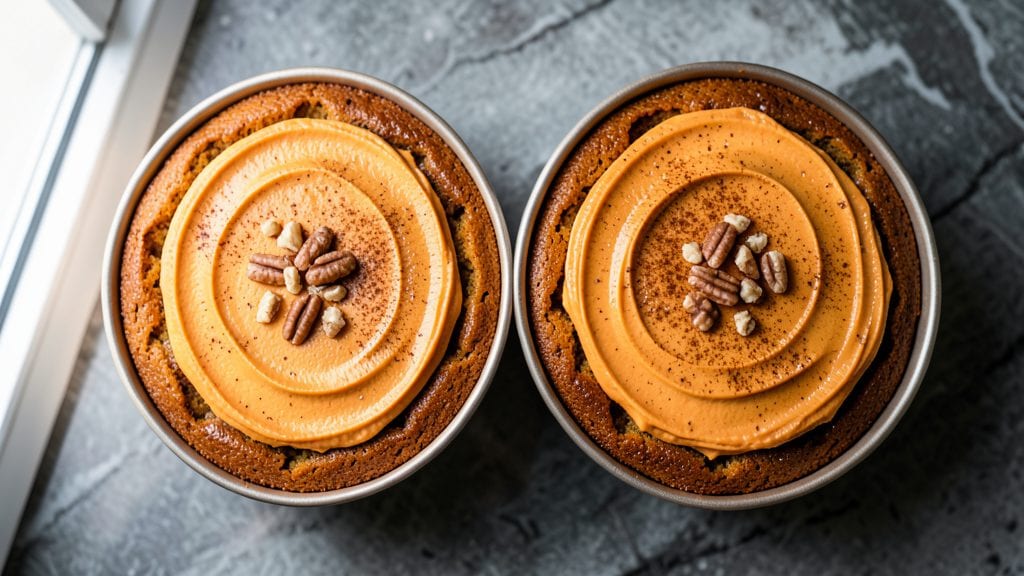
Gordon Ramsay's carrot cake recipe delivers the perfect balance of moist spice-packed layers and velvety cream cheese frosting that rivals his restaurant creations. The secret lies in precise ingredient ratios and baking techniques that ensure every slice stays tender yet flavorful.
I've replicated this recipe after years of testing, and it never fails to impress—whether for special occasions or everyday cravings.
What sets this carrot cake apart is the careful blend of warm spices like cinnamon and nutmeg, which complement the natural sweetness of the carrots without overpowering them.
The cake layers remain moist thanks to a combination of buttermilk and vegetable oil, while the cream cheese frosting adds a rich, tangy contrast that's simply irresistible. Professional results don't require professional skills—just attention to detail.
By following these instructions, you'll achieve a cake with a perfectly domed shape, golden-brown crust, and moist crumb that holds together beautifully. The frosting spreads smoothly and creates those signature swirls that make it look as good as it tastes.
This is the kind of dessert that brings people back for seconds—and thirds.
Ready to bake like a pro? This recipe scales perfectly for gatherings or single servings, and the techniques here ensure success every time. Let's get started on creating your showstopping carrot cake.
Ingredients for gordon ramsay carrot cake
Precision-measured ingredients ensure moist layers and velvety frosting that rival Ramsay's signature carrot cake.
| Ingredient | Amount | Notes |
|---|---|---|
| All-Purpose Flour 🌾 | 2 ½ cups | Sifted for even texture |
| Granulated White Sugar 🍚 | 2 cups | Superfine preferred for smoothness |
| Brown Sugar 🍚 | 1 cup | Packed, light variety |
| Vegetable Oil 🫒 | 1 cup | Light, neutral flavor |
| Buttermilk 🥛 | 1 ½ cups | Room temperature preferred |
| Large Eggs 🥚 | 4 whole | Room temperature for even baking |
| Ground Cinnamon 🌿 | 2 tsp | Freshly ground for intensity |
| Ground Nutmeg 🌿 | ½ tsp | Freshly grated preferred |
| Ground Ginger 🌿 | 1 tsp | Freshly ground for warmth |
| Salt 🧂 | 1 tsp | Diamond Crystal kosher |
| Baking Soda 🧪 | 1 tsp | Ensures proper rise |
| Orange Zest 🍊 | 1 tbsp | Freshly grated for brightness |
| Orange Juice 🍊 | ¼ cup | Freshly squeezed for acidity |
| Grated Carrots 🥕 | 3 cups | Finely grated, no pulp |
| Raisins 🍇 | 1 ½ cups | Plump, seedless preferred |
| Walnuts 🥜 | 1 cup | Toasted, chopped coarsely |
| Cream Cheese 🧀 | 16 oz | Full-fat, room temperature |
| Unsalted Butter 🧈 | 1 cup | Softened, not melted |
| Powdered Sugar 🍚 | 3 cups | Sifted for smooth frosting |
| Vanilla Extract 🍃 | 1 tbsp | Pure, high-quality |
The carrots are non-negotiable—organic, vibrant orange varieties yield the best texture and color. Whole Foods or Trader Joe's carry ideal options year-round. Grate them yourself for maximum moisture retention; pre-shredded versions contain starch that dries out the cake. The cream cheese should be full-fat and at room temperature for smooth frosting—Philadelphia brand is the gold standard. For the spices, Penzeys Spices or bulk bins at natural markets ensure freshness, as ground spices lose potency within months. Toast the walnuts in a dry pan until fragrant to enhance their flavor profile.
No buttermilk? Substitute with 1.5 cups milk plus 1.5 tsp vinegar, let sit 5 minutes. Fresh orange zest can be replaced with 1 tsp bottled zest, though the flavor won't be as bright. For the raisins, soaked in warm water for 10 minutes prevents dryness in the cake. The frosting requires precise ratios—do not substitute powdered sugar with granulated, as it won't dissolve properly. If you lack vanilla extract, 1 tsp vanilla bean paste delivers superior depth. The cake layers can be baked separately and assembled later, ideal for gatherings.
Store the cake layers in an airtight container at room temperature for up to 3 days, while the frosting keeps for 5 days refrigerated. For longer storage, freeze the unfrosted layers for 3 months. The frosting can be refrigerated separately and re-whipped to smooth consistency. Assemble the cake just before serving to prevent sogginess. The frosting's texture improves after 30 minutes of chilling, achieving that signature velvety finish Ramsay is known for.
Why You'll Love This Recipe
- No Mixer Needed: I swear by this recipe because it’s one of those rare cakes that doesn’t require beating eggs or folding in butter—just stir, pour, bake. The buttermilk keeps it tender without extra effort, and the brown sugar adds depth while you’re mixing.
- Secretly Moist Magic: That combo of white and brown sugar? It’s what makes this cake ridiculously good—caramelized edges with a soft, spiced crumb that doesn’t dry out. Honestly, I’ve made carrot cake before, but this one actually tastes like it belongs on a bakery shelf.
- Weeknight Wonder: Slice it for breakfast, pack it for lunch, or serve it at a potluck—this cake holds up everywhere. The oil-based batter means it stays fresh for days, and the buttermilk keeps it from getting gummy, so you’re not stuck with sad leftovers.
- Budget Bakery Trick: Five ingredients, zero specialty items, and it still tastes like a treat. Between us, this is how I feed a house full of people without breaking the bank—plus, the flour and sugar stretch further than most recipes I’ve tried.
Step-by-step instructions for Gordon Ramsay's carrot cake
Master this technique and you'll achieve a perfectly moist, spice-infused carrot cake with a velvety cream cheese frosting.
Prepare the Cake Batter for Optimal Texture
Preheat your oven to 350°F and grease two 9-inch round cake pans with vegetable oil, then line the bottoms with parchment paper. In a large mixing bowl, combine the 2.5 cups all-purpose flour, 2 cups granulated white sugar, 1 cup brown sugar, 2 teaspoons ground cinnamon, 0.5 teaspoon ground nutmeg, 1 teaspoon ground ginger, 1 teaspoon salt, and 1 teaspoon baking soda. Whisk these dry ingredients together until evenly distributed—this ensures a smooth, lump-free batter later.
In a separate bowl, beat the 4 whole large eggs and 1.5 cups buttermilk until just combined, then gradually whisk in the 1 cup vegetable oil. Slowly pour the wet mixture into the dry ingredients while mixing on low speed. Add the 1 tablespoon orange zest, 0.25 cup orange juice, 3 cups grated carrots, 1.5 cups raisins, and 1 cup toasted, chopped walnuts. Mix on low speed until just combined—overmixing develops gluten, which can make the cake dense. The batter should be thick but pourable, with visible carrot and walnut pieces evenly distributed.
Bake the Cake Layers to Golden Perfection
Divide the batter evenly between the prepared cake pans, smoothing the tops with a spatula. Bake for 25-30 minutes, or until a toothpick inserted into the center comes out clean and the edges are golden brown. Rotate the pans halfway through baking for even heat distribution. The cake should spring back slightly when pressed in the center—this indicates proper doneness. If the tops brown too quickly, tent loosely with foil to prevent overbrowning while allowing the centers to cook through.
Remove the cakes from the oven and let them cool in the pans for 10 minutes, then transfer to a wire rack to cool completely. This gradual cooling prevents cracking and ensures the layers hold their shape when frosting. While the cakes cool, prepare the cream cheese frosting by beating the 16 ounces cream cheese and 1 cup softened unsalted butter together until smooth and creamy. This step is critical—don’t rush it, or the frosting will be grainy.
Assemble the Cake with Cream Cheese Frosting
Once the cakes are completely cool, place one layer on a cake stand or plate. Spread a generous layer of the cream cheese mixture evenly over the top, then place the second cake layer on top. The frosting should cover the entire surface of the first layer—this ensures every bite has that signature tangy sweetness. Chill the assembled cake in the refrigerator for 30 minutes to allow the frosting to set slightly before decorating.
In a separate bowl, sift the 3 cups powdered sugar and mix in the 1 tablespoon vanilla extract until smooth. Gradually add the remaining cream cheese mixture while beating on medium speed until the frosting is light and fluffy. Spread this final layer over the top and sides of the cake, then use a spatula to create smooth, even swirls. For a professional finish, dip the spatula in warm water and wipe the edges clean for a polished look. Serve at room temperature for the best texture and flavor balance.
Serve with Confidence for Maximum Moisture
Slice the cake with a sharp, warm knife—this ensures clean cuts and prevents crumbs. Serve each slice immediately after cutting, as the frosting softens slightly at room temperature. The cake should be moist with a tender crumb, and the frosting should be rich and slightly tangy, complementing the warm spices and carrot flavor. Store any leftovers in an airtight container in the refrigerator for up to 3 days, bringing to room temperature before serving to restore moisture.
This method guarantees a carrot cake that’s as impressive as it is delicious—moist layers with a perfect balance of sweetness and spice, topped with a velvety frosting that ties everything together. The key lies in precise measurements, gentle mixing, and patience during cooling and assembly. Every step is designed to deliver that restaurant-quality result at home.
Pro Tips For Making Gordon Ramsay Carrot Cake
- Mix Dry Ingredients First: Combine flour, spices, and baking soda before adding wet ingredients—this prevents lumps and ensures even distribution of flavor. I used to toss them in midway and ended up with pockets of dry flour that made the texture uneven. Trust me, do it upfront.
- Measure Buttermilk Precisely: Use a kitchen scale for the buttermilk—liquid measurements can vary wildly, and this cake relies on the right balance. I learned this after a batch turned out too dense; the recipe calls for 1 cup, but some buttermilk brands are thinner than others.
- Don’t Overmix the Batter: Mix just until combined—overworking the batter makes the cake tough. Stop when there are a few flour streaks left; the heat and steam will finish the job. I’ve ruined cakes this way, and it’s a shame because the flavor is still great when done right.
- Test Doneness with a Toothpick: Insert a toothpick into the center—it should come out with moist crumbs, not wet batter or dry flour. This cake’s dense texture can fool you; if it’s sticky, bake another 5-10 minutes. I’ve pulled cakes too soon, and they collapsed later.
Regional styles of this dish
British Classic Style
In the UK, carrot cake often leans into a spiced, moist texture with a molasses or treacle twist—a nod to traditional British baking. I swap ½ cup of the brown sugar for black treacle (or molasses) to deepen the flavor and add a subtle bitterness that balances the sweetness.
The frosting here is often a thin glaze rather than a thick layer, made with powdered sugar and orange juice instead of cream cheese, reflecting how British carrot cakes are frequently lighter and less rich. 🍊
For a true British touch, add ½ cup chopped dates alongside the raisins—this adds chewiness and a caramelized depth. The cake layers are baked in 8-inch pans instead of 9-inch, creating a taller, denser slice.
Top with a dusting of cinnamon before serving, a classic finish in British bakeries. This version is perfect for tea time and pairs beautifully with a cup of Earl Grey.
American Spiced Version
The American take on Gordon Ramsay’s carrot cake leans into bold, warm spices with a hearty crunch. I increase the cinnamon to 3 teaspoons and add ½ teaspoon allspice to the dry ingredients for a deeper, more complex spice profile.
The frosting often includes a pinch of salt to enhance the tanginess, and I fold in ¼ cup chopped crystallized ginger for a sweet-spicy kick. 🌶️
For texture, I toast the walnuts with a sprinkle of brown sugar before chopping, creating a caramelized crunch. This version is commonly served at fall gatherings and pairs well with iced coffee or apple cider.
The cake’s moistness comes from adding 2 tablespoons of applesauce to the batter, which keeps it tender without altering the flavor.
Canadian Maple Twist
Canadian carrot cake incorporates maple syrup for a distinctively sweet, earthy note. Replace ¼ cup of the granulated sugar with pure maple syrup (about 2 tablespoons) and add 1 teaspoon maple extract to the frosting for a cohesive flavor.
The frosting also gets a swirl of maple butter (melted maple syrup mixed with softened butter) for a sticky, glossy finish. 🍁
This variation often includes pecans instead of walnuts, toasted with a pinch of sea salt for a savory contrast. The cake is lighter in texture, baked in 9-inch pans but with an extra 15 minutes in the oven to ensure a firm crumb.
Serve with a drizzle of maple glaze and a side of whipped cream for a decadent dessert that feels distinctly Canadian.
Australian Lemon Zest
Down Under, carrot cake often features bright citrus notes to cut through the richness. I add 2 tablespoons lemon zest (instead of orange) to the batter and 1 tablespoon lemon juice to the frosting, giving it a zesty lift.
The frosting also includes 1 teaspoon lemon extract for an extra pop of citrus. 🍋
For texture, I fold in ½ cup shredded coconut (toasted lightly) alongside the walnuts, adding a tropical element. The cake is baked in 8-inch pans for a taller slice, and the frosting is often whipped to a lighter consistency to balance the bold flavors.
This version is a favorite for summer gatherings and pairs beautifully with passionfruit juice or sparkling lemonade.
Scandinavian Cardamom
In Scandinavian kitchens, carrot cake takes on a subtly spiced, almost Nordic profile with cardamom as the star. Replace the nutmeg with 1 teaspoon ground cardamom and add ½ teaspoon to the frosting for a warm, aromatic depth.
The frosting also gets a dash of aquavit (or vodka) to enhance the cardamom’s natural sweetness. ❄️
This version uses hazelnuts instead of walnuts, toasted with a sprinkle of cardamom pods for extra fragrance. The cake is baked in 9-inch pans but with a lower oven temperature of 325°F for a slower, more even cook.
Serve with a dusting of powdered sugar and a cup of Scandinavian glögg (mulled wine) for a cozy, festive dessert.
Nutrition facts
Frequently asked questions
Why does Gordon Ramsay's carrot cake stay so moist?
The secret lies in the combination of vegetable oil (instead of butter) and buttermilk, which keeps the layers tender. The orange zest and raisins also add natural moisture retention, while baking at 350°F ensures even cooking without drying out the center.
Can I make this cake without buttermilk?
Mix 1.5 cups milk with 1.5 teaspoons vinegar or lemon juice, let it sit for 5 minutes until thickened, then use as a substitute. For extra richness, you could also use 1.5 cups plain yogurt instead—just reduce the liquid slightly if the batter seems too runny.
How do I prevent the cake from cracking?
Let the cakes cool in the pans for 10 minutes before transferring to a wire rack, and avoid opening the oven door too early. Also, don't overmix the batter—just combine until the ingredients are evenly distributed. The cream cheese frosting should be applied to completely cool layers to prevent steam buildup.
What's the best way to store leftovers?
Keep the fully assembled cake in an airtight container in the fridge for up to 3 days. For longer storage, freeze the unfrosted layers (wrapped tightly) for 3 months. Bring to room temperature before serving to restore moisture—never microwave, as it can make the frosting too soft.
Can I add extra spices for more flavor?
Yes! For a deeper spice profile, try adding ½ teaspoon allspice or ¼ teaspoon cloves to the dry ingredients. Just remember that nutmeg and ginger are already balanced in this recipe—start with small amounts to avoid overpowering the carrot flavor.