
Side Dishes
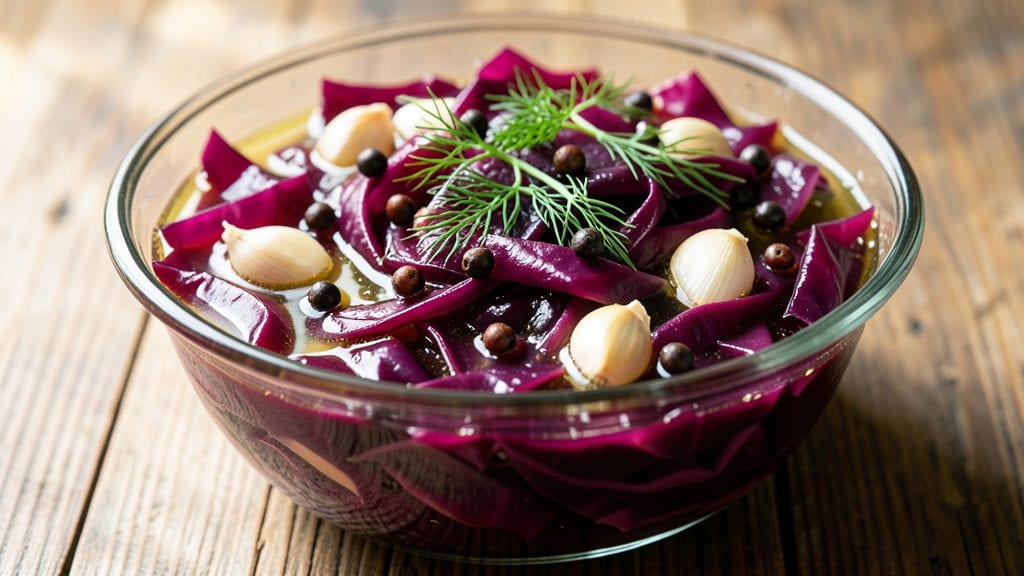
This lacto-fermented red cabbage recipe transforms simple cabbage into a probiotic powerhouse with just two ingredients and seven days of patience. The process is straightforward, but the results—tangy, crunchy, and packed with gut-friendly bacteria—are extraordinary.
I’ve perfected this method over years of experimentation, ensuring every batch delivers consistent flavor and texture without any guesswork.
The beauty of lacto-fermentation lies in its simplicity: shred fresh red cabbage, mix it with salt, and let natural bacteria do the work. No special equipment is needed beyond a clean jar and a fermentation weight to keep the cabbage submerged.
The key to success is precision in salting and maintaining the right conditions—cool, dark, and undisturbed—for the fermentation to thrive.
By day seven, you’ll have a vibrant, tangy side dish that’s crisp enough to stand alone or soft enough to melt into salads and sandwiches.
The flavor profile evolves from fresh cabbage to a complex, slightly sweet, and tangy bite that pairs perfectly with roasted meats, hearty stews, or even as a topping for tacos. This recipe isn’t just about taste—it’s about harnessing the natural goodness of fermentation for better digestion and vibrant health.
Once fermented, your red cabbage will keep in the refrigerator for months, making it a versatile addition to any meal. Whether you’re new to fermentation or a seasoned pro, this method delivers reliable, restaurant-quality results with minimal effort. Let’s get started on your probiotic-packed crunch!
Ingredients for lacto fermented red cabbage
Two core ingredients, seven days of patience, and probiotic perfection await.
| Ingredient | Amount | Notes |
|---|---|---|
| Fresh Red Cabbage 🥬 | 2 lb | Outer leaves removed, core trimmed |
| Diamond Crystal Kosher Salt 🧂 | ¼ cup | Non-iodized, coarse grain preferred |
| Garlic Cloves 🧄 | 4 cloves | Crushed for depth of flavor |
| Fresh Dill Sprigs 🌿 | ½ cup | Tightly packed, stems removed |
| Fresh Juniper Berries 🌲 | 4 whole | Lightly crushed, optional aromatic |
| Filtered Water 💧 | 1 cup | For brine preparation |
| Fermentation Weight 🪨 | 1 piece | Glass or ceramic, food-safe |
| Lid with Airlock 🔒 | 1 piece | Or tight-sealing lid with daily burping |
The quality of your red cabbage is non-negotiable—opt for firm, deep purple heads with crisp leaves and no browning. Local farmers markets often carry superior quality compared to supermarket bins, where cabbage can sit for weeks. For salt, Diamond Crystal kosher is the gold standard due to its coarse texture, which ensures even distribution without dissolving too quickly. If using store-bought, check the label for non-iodized content, as iodine can inhibit fermentation. The optional juniper berries and dill elevate flavor complexity but aren't essential; Trader Joe's carries excellent dried alternatives if fresh aren't available.
No kosher salt? Fine sea salt at a 1:1 ratio works, though you may need to adjust slightly—taste the brine before adding the cabbage. Substituting garlic with 1 tbsp garlic powder is possible, but fresh crushed cloves deliver superior depth. For dill, dried dill at one-third the amount suffices, though fresh is preferred. If you lack a fermentation weight, a ziplock bag filled with water or a small plate works in a pinch—just ensure the cabbage stays submerged. The airlock lid is ideal, but a regular lid with daily burping (releasing built-up gas) achieves similar results.
Once fermented, store your cabbage in the refrigerator to halt fermentation and preserve freshness. Properly fermented batches maintain quality for 6-12 months—the tangy flavor deepens over time. For long-term storage, transfer to airtight containers, leaving a 1-inch headspace to account for expansion. The cabbage's texture will soften slightly in storage, making it ideal for hearty dishes like stews or tacos where a tender bite is desired. Always use clean utensils when serving to prevent contamination.
Why You'll Love This Recipe
- No-Shave Required: I swear by this recipe because it’s the only fermented cabbage that doesn’t require me to spend 20 minutes slicing paper-thin strips. Just quarter the head, toss in salt, and let the brine do the work—no knife skills needed.
- Earthy & Tangy Magic: That first bite? The garlic and juniper berries cut through the cabbage’s natural sweetness like a bright, herbal punch. Honestly, it’s the kind of flavor that makes you reach for seconds without even thinking.
- Weeknight Superstar: I keep a jar in my fridge because it’s the ultimate lazy dinner side—pairs with sausages, slaps on sandwiches, or just gets eaten straight from the jar with a spoon. (Yes, even on a Tuesday night.)
- Budget-Friendly Pantry Hero: A single head of cabbage and a handful of salt stretch for weeks, and the dill and juniper are cheap enough to buy in bulk. Between us, this is the one ferment I never regret stocking up on—it’s my go-to for stretching meals without breaking the bank.
Step-by-step instructions for lacto-fermented red cabbage
A precise fermentation process transforms simple ingredients into a probiotic-rich condiment with complex flavor.
Prepare the Cabbage and Brine
Begin by removing the outer leaves from the 2 lb fresh red cabbage and trimming the core. Cut the cabbage into quarters and slice each quarter into thin strips—about ¼-inch wide. The goal is to create uniform pieces that will soften evenly during fermentation.
In a large mixing bowl, combine the sliced cabbage with the 0.25 cup diamond crystal kosher salt. Using your hands, massage the salt deeply into the cabbage leaves for 5-7 minutes until you see liquid begin to release. This process is crucial—it draws out moisture and begins the fermentation process. The cabbage should yield about 1 cup of liquid after massaging.
In a separate container, dissolve the remaining salt in the 1 cup filtered water until fully combined. Pour this brine over the cabbage and mix thoroughly. The cabbage should be completely submerged in the liquid. If not, add a bit more filtered water to ensure proper submersion. This step prevents mold growth and ensures consistent fermentation.
Pack the Cabbage and Add Aromatics
Transfer the cabbage mixture to a clean, quart-sized fermentation jar with an airlock lid. Pack the cabbage tightly into the jar, pressing down gently but firmly to remove any air pockets. Use a wooden spoon or your fist to ensure even distribution and maximum contact between the cabbage pieces.
Place the 4 crushed garlic cloves, 0.5 cup fresh dill sprigs, and 4 lightly crushed juniper berries on top of the cabbage. These aromatics will infuse the ferment with their distinct flavors while also contributing to the probiotic environment. The garlic and dill should be distributed evenly across the surface.
Place the fermentation weight on top of the aromatics. This keeps the cabbage submerged and prevents mold growth at the surface. The weight should rest comfortably without crushing the ingredients beneath it. This is a critical step—never skip it, as exposure to air can spoil your ferment.
Seal and Initiate Fermentation
Attach the lid with airlock to the jar and secure it tightly. The airlock allows gases to escape while keeping air out, which is essential for safe fermentation. Place the jar in a cool, dark location—ideally between 65-70°F. This temperature range promotes ideal fermentation without overheating the cabbage.
Check the jar daily for the first 3 days. You should see bubbles forming in the liquid and hear a slight hissing sound from the airlock as gases escape. This activity indicates active fermentation. If you notice any mold forming on the surface, remove it immediately with a clean spoon and ensure the cabbage remains fully submerged.
After 3 days, taste the cabbage to assess its readiness. It should be slightly tangy but still crisp. If it tastes too mild, continue fermenting for another 2-3 days. The total fermentation time can range from 5 to 7 days, depending on your taste preferences and the ambient temperature.
Complete Fermentation and Storage
Once the cabbage reaches your desired level of tanginess and texture, remove the jar from the fermentation environment. Transfer the cabbage to a clean, airtight container for storage. The fermented cabbage will continue to develop flavor over time, so it's best to consume it within 3-6 months for optimal quality.
Store the jar in the refrigerator, where the cold temperature will slow down fermentation and preserve the cabbage. The flavors will continue to mellow and deepen over the next few weeks. When ready to serve, scoop the cabbage directly from the jar and enjoy it as a side dish, condiment, or topping for sandwiches and salads.
This method ensures a safe, flavorful ferment every time. The key is patience and attention to detail—each step builds on the last to create a probiotic-rich, crunchy condiment that's far more complex than its simple ingredients suggest.
Pro Tips For Making Lacto Fermented Red Cabbage
- SHRED SMALLER THAN YOU THINK: I learned this the hard way—tiny, even shreds (about 1/8-inch wide) ferment faster and more evenly than big, uneven strips. Your future self will thank you when you’re not waiting weeks for the center to soften.
- SALT THE CABBAGE FIRST: Toss the shredded cabbage with all the salt before packing it into the jar. This draws out moisture immediately, so when you add garlic and dill later, they’ll stay submerged and flavor the whole batch. (Yes, even if it looks sad and watery at first—that’s the point.)
- WEIGH DOWN THE GARLIC: Skip the loose garlic cloves—they’ll float, and half your jar will taste like nothing. Instead, crush 2-3 cloves into a flat disc with the back of a knife, then place it on top of the cabbage. This guarantees flavor distribution without turning your ferment into a garlic-free zone.
- STORE JUNIPER IN A BAG: Juniper berries are finicky—if they’re too dry, they’ll make the ferment bitter. Keep them in a sealed bag in the freezer for a week before using, then toss in 2-3 whole berries per quart jar. (Pro move: crush one lightly to release aroma without overpowering.)
Best sauces and condiments for this lacto fermented red cabbage
Creamy Dill Sauce
This tangy, herby sauce pairs perfectly with fermented red cabbage, balancing its sharpness. Whisk together ½ cup sour cream, 2 tbsp fresh dill (chopped), 1 tbsp lemon juice, 1 tsp Dijon mustard, and ½ tsp garlic powder.
Thin with 1 tbsp water if needed for drizzling. The acidity cuts through the cabbage’s richness while enhancing its natural probiotic benefits. 💛
Mustard-Honey Glaze
For a sweet and tangy contrast, mix 3 tbsp yellow mustard, 2 tbsp honey, 1 tbsp apple cider vinegar, and a pinch of smoked paprika.
Simmer for 3 minutes until thickened, then drizzle over the cabbage. The caramelized notes complement the ferment’s tanginess, making it ideal for roasted meats or sandwiches.
Spicy Horseradish Cream
Add heat with this bold sauce: blend ½ cup mayonnaise, 2 tbsp prepared horseradish, 1 tsp lemon zest, and ½ tsp cayenne pepper. Adjust the horseradish to taste—more for extra kick, less for subtlety.
This sauce adds a sharp, fiery contrast that cleanses the palate between bites of fermented cabbage. 🌶️
Garlic-Yogurt Dip
Creamy and zesty, this dip is a crowd-pleaser. Combine 1 cup plain yogurt, 2 minced garlic cloves, 1 tbsp chopped fresh dill, 1 tsp apple cider vinegar, and ½ tsp salt.
Let it sit for 15 minutes to meld flavors. Serve with warm pita bread or as a dip for fermented cabbage slices.
Apple Cider Vinaigrette
Brighten your dish with this easy vinaigrette: whisk ¼ cup apple cider vinegar, ½ cup olive oil, 1 tbsp maple syrup, and ½ tsp celery seeds.
Toss with fermented cabbage for a refreshing salad or drizzle over grilled chicken. The vinegar’s acidity enhances the cabbage’s tangy depth.
Smoked Paprika Aioli
For a smoky twist, blend ½ cup mayonnaise, 1 tsp smoked paprika, ½ tsp garlic powder, and 1 tbsp lemon juice. Thin with 1 tsp water if needed.
This rich, smoky sauce elevates the cabbage’s earthy notes, making it a perfect pairing for hearty dishes like pulled pork or roasted vegetables. ✨
Nutrition facts
Frequently asked questions
Why does my fermented red cabbage smell so strong?
A pungent aroma is normal during fermentation—it means beneficial bacteria are hard at work! The smell should resemble sauerkraut or yogurt. If you detect a rotten or putrid odor (like sulfur or ammonia), that indicates spoilage. Always keep the cabbage submerged in brine and use clean tools to prevent contamination.
Can I use green cabbage instead of red?
Yes, but the flavor and color will differ. Green cabbage ferments into a milder, paler version with less natural sweetness. For best results, stick with red cabbage—its deeper pigments contain more antioxidants and create a vibrant, tangy profile. If you must substitute, add extra aromatics like caraway seeds to compensate for the milder taste.
How do I fix mold on my fermented cabbage?
If you spot mold (usually fuzzy white or green spots), remove the affected cabbage immediately and discard it. Scoop out any moldy pieces with a clean spoon, then press a clean fermentation weight back down to submerge the remaining cabbage. The good bacteria will outcompete the mold if the cabbage stays submerged in brine. Taste-test after 2-3 days to ensure safety.
What’s the best way to serve fermented red cabbage?
This versatile side shines in countless ways! Try it as a topping for smoked sausages or roasted meats, mixed into grain bowls, or paired with creamy dips like garlic yogurt. For extra flair, toss with toasted nuts or drizzle with a honey-mustard glaze. The tangy crunch also elevates sandwiches, tacos, or even pizza as a fresh topping.
Can I ferment red cabbage without an airlock?
Use a regular lid and "burp" your jar daily by opening it briefly to release gases. This prevents pressure buildup while still allowing fermentation. For extra safety, add a small piece of plastic wrap directly on the cabbage surface before sealing—this creates a barrier that reduces oxygen exposure. Monitor closely for the first 3 days to ensure everything stays submerged.