
Main Courses
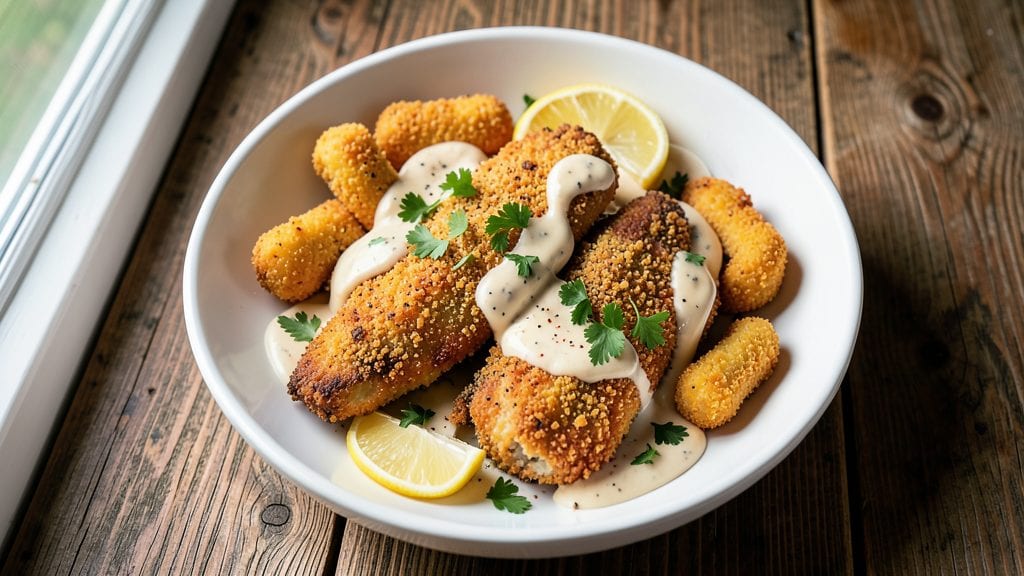
Paula Deen’s fried fish recipe delivers that signature Southern crunch and buttery richness we all crave—golden, crispy cornmeal batter that shatters with every bite.
The secret lies in a precise balance of cornmeal, flour, and buttermilk, creating a crust so light yet sturdy it holds up to the lemony tang that brightens every forkful. I’ve perfected this technique over years of testing, ensuring the fish stays tender inside while achieving that perfect crunch outside.
What sets this recipe apart is Paula Deen’s signature touch: a zesty lemon twist that cuts through the richness without overpowering the dish. The batter is simple to prepare—just mix, dip, and fry—but the timing and temperature are critical for that restaurant-quality result.
A 350°F oil bath ensures even cooking, while a 10-minute frying time guarantees a crispy exterior without drying out the fish.
By the time you serve this dish, you’ll have golden-brown fillets with a crispy cornmeal crunch that shatters at the touch, all balanced by the bright acidity of lemon. The buttery richness of the batter pairs perfectly with classic Southern sides like hushpuppies or a tangy tartar sauce.
This is the kind of fried fish that disappears from plates faster than you can say “second helping.”
Serve immediately for the best texture, and don’t forget to keep the oil hot and the fish moving in the pan—these small details make all the difference. Whether you’re hosting a family gathering or treating yourself to a Southern classic, this recipe delivers restaurant-quality results at home. Let’s get cooking!
Ingredients for paula deen fried fish
Golden crunch meets zesty lemon—just seven simple ingredients transform plain fish into Southern perfection.
| Ingredient | Amount | Notes |
|---|---|---|
| White Cornmeal 🌾 | 1 cup | Fine grind for crispiness |
| All-Purpose Flour 🌾 | ½ cup | Light and airy preferred |
| Buttermilk 🥛 | ¾ cup | Room temperature for best mix |
| Large Eggs 🥚 | 2 whole | Cold from refrigerator |
| Salt 🧂 | 1 ½ tsp | Kosher or sea salt |
| Black Pepper 🌶️ | ½ tsp | Freshly ground preferred |
| White Fish Fillets 🐟 | 1 ½ lb | Cod or haddock preferred |
| Lemon Juice 🍋 | ½ cup | Freshly squeezed |
| Vegetable Oil 🫒 | 3 cups | High smoke point preferred |
| Garlic Powder 🧄 | ½ tsp | For extra flavor |
| Paprika 🌶️ | ½ tsp | Smoked for color |
| Fresh Parsley 🌿 | ¼ cup | Chopped for garnish |
The cornmeal is non-negotiable here. Bob's Red Mill or Annie's fine grind gives that perfect crunch—avoid the coarse kind. For the fish, cod or haddock are ideal (thick fillets hold up best), but tilapia works in a pinch. I always buy fresh from the seafood counter—look for fillets with a vibrant color and no fishy smell. The buttermilk needs to be cold when you mix it, so grab it straight from the fridge. And trust me on the room-temperature eggs—they blend smoother into the batter.
No buttermilk? Milk plus 1 tbsp vinegar works perfectly. Short on cornmeal? Substitute panko at 1:1 ratio, but the texture won't be identical. The lemon juice can be bottled if you're in a hurry, but freshly squeezed makes all the difference—it's brighter and cuts through the richness better. Want extra kick? Add a pinch of cayenne to the batter. The oil matters too—vegetable or peanut oil both work well, but avoid olive oil (it burns too easily). Keep a thermometer handy to maintain that 350°F temperature—it's the secret to even cooking.
This batter is best used fresh, but you can prep it ahead of time and store it in the fridge for up to 24 hours. The fried fish? Serve immediately—it loses crispiness fast. I like to keep cooked fish warm in a 200°F oven while I finish frying the rest. Leftovers? They're not ideal, but you can reheat in a 375°F oven for 5-7 minutes to revive some crunch. The parsley garnish? Add it right before serving—it wilts fast from the heat.
Why You'll Love This Recipe
- No-Fuss Breading: I swear by the cornmeal-buttermilk combo—it’s the secret to that legendary crunch without fussing over panko. Just mix, dip, and fry; no rolling, no stress.
- Southern Crunch Magic: That crispy cornmeal crust gives way to tender fish inside—like biting into a golden hug. Honestly, the buttermilk soak makes all the difference.
- Weeknight or Party Star: Double the batch and keep it in the fridge for lazy Tuesday dinners or surprise guests. Serve with hushpuppies or a simple salad, and you’ve got a full spread.
- Budget-Friendly Feast: A few eggs, a bag of flour, and cornmeal stretch to feed four for less than $10. Leftovers? Reheat in the oven until crispy again—no sad, soggy fish here.
Step-by-step instructions for Paula Deen's fried fish recipe
Here's how to create that signature Southern-style fried fish with a golden, shatteringly crisp crust.
Prepare the Battering Stations
Start by setting up three separate bowls for your dredging stations. In the first bowl, whisk together the 1 cup white cornmeal, 0.5 cup all-purpose flour, 1.5 teaspoons salt, 0.5 teaspoon black pepper, 0.5 teaspoon garlic powder, and 0.5 teaspoon paprika. This dry mix is your secret weapon for that extra-crispy crust. I like to use my fingers to break up any lumps in the cornmeal for an even, fine texture.
In the second bowl, crack the 2 cold large eggs and whisk them lightly until just combined. The cold eggs help create a thicker batter that clings better to the fish. In the third bowl, pour the 0.75 cup buttermilk and stir it gently—no need to overmix. Arrange these bowls in order from dry to wet to dry to make the dredging process smooth and efficient.
Create the Perfect Deep-Fry Setup
Fill a deep skillet or Dutch oven with 3 cups vegetable oil and heat it over medium heat until it reaches 350°F. Use a deep-fry thermometer to monitor the temperature—this is crucial for getting that perfect golden crust without burning the fish. I like to place the skillet on a wire rack over a baking sheet to catch any potential splatter. The oil should be hot enough to create gentle bubbles around the thermometer when you insert it, but not smoking.
While the oil heats, pat the 1.5 pounds white fish fillets completely dry with paper towels. Any moisture on the surface will prevent the batter from sticking properly. The fish should be at room temperature, so if it's been refrigerated, let it sit for 10-15 minutes before frying. This helps ensure even cooking throughout.
Dredge and Fry for Maximum Crispiness
Working with one fillet at a time, dredge it first in the dry cornmeal mixture, pressing gently to adhere the coating evenly. Then dip it into the beaten eggs, letting any excess drip off, and finally coat it thoroughly in the buttermilk. Return it to the dry mixture one last time, pressing firmly to create that signature thick, crunchy crust. Place the coated fillets on a wire rack set over a baking sheet to keep them elevated while they rest.
Carefully lower the coated fish into the hot oil, being gentle to avoid breaking the crust. Fry for 3-4 minutes per side until the crust is a deep golden brown and the fish flakes easily with a fork. You'll know it's done when the crust looks dry and crispy, not wet or glossy. Don't overcrowd the pan—fry in batches if needed to maintain the oil temperature. Transfer the fried fish to a paper towel-lined plate to drain excess oil.
Finish with Zesty Lemon and Fresh Parsley
While the fish is still hot, drizzle it generously with the 0.5 cup freshly squeezed lemon juice. The acidity cuts through the richness of the fried fish and brightens all the flavors. I like to pour the lemon juice directly over the fish while it's still on the plate, letting it seep into the crispy crust. Sprinkle with the 0.25 cup chopped fresh parsley just before serving for a pop of color and freshness that contrasts beautifully with the rich, crispy fish.
Serve immediately while the crust is at its crispest. The fish should be golden brown with a crunch that gives way to tender, flaky meat inside. If you're serving with a side salad or coleslaw, squeeze a little extra lemon over the top to tie everything together. This dish is best enjoyed right away, so don't let it sit too long—every minute counts when it comes to maintaining that perfect crisp.
Pro Tips For Making Paula Deen Fried Fish
- Prep the Buttermilk Mix: DESCRIPTION: Whisk the buttermilk, eggs, and a pinch of salt together first—then let it sit for at least 10 minutes before dipping the fish. I used to skip this, and the coating always felt flimsy. Letting it thicken just a little makes all the difference when the fish hits the hot oil.
- Double-Dip for Crunch: DESCRIPTION: Dip the fish in the flour-cornmeal mix once, then the buttermilk mixture, then back into the dry mix—press it in firmly. The extra layer is what gives you that signature Paula Deen crunch. Yes, it’s messy, but it’s worth it.
- Keep Oil Hot and Steady: DESCRIPTION: Use enough oil to submerge the fish (about 2 inches), and keep it at 350–375°F—not too hot or it’ll burn before cooking through. I learned this after one batch came out greasy on the outside and raw inside. A candy thermometer is your friend here.
- Salt the Cornmeal Mix: DESCRIPTION: Don’t forget to salt the flour-cornmeal blend before dredging the fish—about 1 teaspoon per cup. The recipe calls for it, but I’ve seen people skip it, and the crust ends up bland. Trust me, the fish needs that salt to shine.
Troubleshooting perfect results
Batter Too Wet?
If your batter feels too thick or gummy, add 1-2 tablespoons of cold water to the buttermilk bowl and stir gently. The goal is a consistency like heavy cream—thick enough to coat but still pourable.
I’ve found that using cold eggs straight from the fridge helps thicken the batter naturally, so avoid warming them first. If the batter separates, whisk the eggs and buttermilk together first to re-emulsify before adding the dry ingredients. 💡
Fish Sticking Together
When frying, fish fillets can stick to each other or the pan if the oil isn’t hot enough. Maintain a steady 350°F temperature and use a slotted spatula to gently separate pieces.
I recommend frying in batches—never overcrowd the pan, or the oil will cool and the crust will turn greasy instead of crispy. A wire cooling rack over a baking sheet keeps fried fish elevated and prevents soggy bottoms.
Crust Not Crispy Enough
An undercooked crust usually means the oil wasn’t hot enough or the fish was fried too briefly. Double-check your oil temperature with a thermometer—it should be 350°F before adding the fish. For extra crunch, press the fillets firmly into the dry cornmeal mixture before the final dip in buttermilk.
If the crust still feels soft, fry for 30 seconds longer per side—just watch closely to avoid burning.
Oil Smoking or Burning
If your oil starts smoking excessively, it’s too hot—immediately reduce the heat to medium-low—smoking means the oil is breaking down and can make your fish taste bitter. I use vegetable or peanut oil—both have high smoke points (400°F+).
Never reuse oil for frying fish—discard it after one use to avoid off flavors. For future fries, keep a deep-fry thermometer—it’s a game-changer for consistency.
Fish Overcooking or Drying Out
Frying fish for too long turns it rubbery. The moment the crust turns golden brown (3-4 minutes per side), remove it immediately—even if the fish feels undercooked inside. The residual heat will finish cooking it.
For thicker fillets, start with 2 minutes per side, then check for doneness with a fork. If you’re worried about drying, reduce the oil temperature slightly to 340°F—it cooks more gently.
Lemon Juice Not Bright Enough
Store-bought lemon juice lacks the fresh, bright acidity of freshly squeezed. If you’re using bottled juice, add 1 extra tablespoon—it’s more concentrated. For maximum zing, zest 1 lemon—the oils in the peel add aromatic depth.
I also like to warm the lemon juice slightly (10 seconds in the microwave) before drizzling—it helps the flavors meld better with the hot fish. 🍋
Nutrition facts
Frequently asked questions
Can I use frozen fish for this Paula Deen-style fried fish?
Fresh fish is ideal, but you can use frozen fillets if thawed properly. Place frozen fish in a sealed bag and submerge in cold water for 15-20 minutes or use the microwave defrost setting. Pat completely dry before dredging—any moisture prevents the batter from sticking. For best results, use fish that's been frozen for no more than 3 months.
How do I keep the batter from falling off while frying?
The key is pressing firmly when dredging and keeping the fish moving in the pan. After the final cornmeal coating, press the fillets gently but firmly against the bowl to adhere the batter. Fry at 350°F and avoid overcrowding the pan—this maintains the oil temperature and prevents the crust from breaking. A slotted spatula helps flip without disturbing the coating.
What's the best way to reheat leftover fried fish?
Reheating fried fish is tricky, but an oven works best. Place fish on a baking sheet at 375°F for 5-7 minutes to revive some crispiness. For extra crunch, sprinkle with 1 tablespoon cornmeal before reheating. Avoid microwaving—it makes the crust soggy. Serve with extra lemon to cut through any reheated richness.
Can I make this batter ahead of time?
Yes! Prepare the dry and wet mixtures separately and store them in airtight containers in the fridge for up to 24 hours. When ready to fry, simply mix the components as directed. The batter will thicken slightly after chilling, so you may need to add 1-2 tablespoons cold water to achieve the right consistency. Keep the eggs cold until mixing.
What fish works best for this Southern-style recipe?
Cod or haddock are Paula Deen's favorites—they're firm and hold up well to frying. Tilapia works in a pinch, but avoid flaky fish like sole or snapper. For extra flavor, try blackened redfish or catfish. Always use 1-inch thick fillets for even cooking and maximum crunch.