
Main Courses
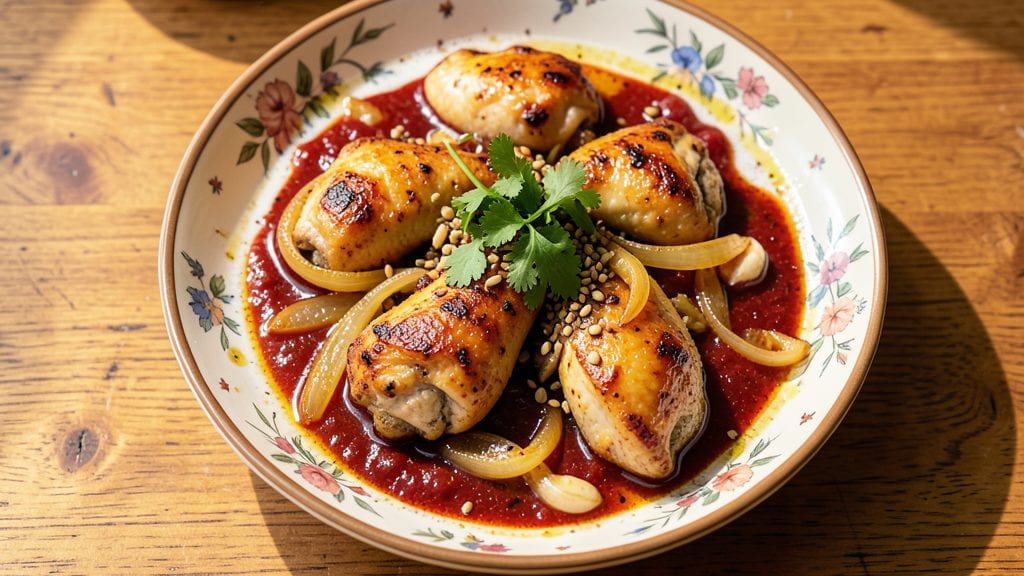
This traditional curry recipe delivers the spiced golden perfection you crave in every flavorful bite, built layer by layer in one aromatic pot. The foundation begins with whole spices toasted until fragrant—cinnamon, cardamom, and cloves—before building to a rich tomato base that simmers into a velvety sauce.
I've perfected this method over years of testing, ensuring the balance of heat, sweetness, and umami that defines authentic curry.
The secret lies in slow simmering, which develops deep flavor without overcooking the protein. Whether you choose chicken, lamb, or chickpeas, the spices infuse perfectly while the sauce thickens into a luxurious consistency.
This isn't just another curry—it's a restaurant-quality dish that transforms simple ingredients into something extraordinary through precise technique and patience.
By the time you serve it over steamed basmati rice or warm naan, you'll have a dish that's rich, complex, and impossible to resist. The aroma alone will have everyone gathering at the table, while the first bite delivers that perfect harmony of spice, sweetness, and tender meat or vegetables.
Every element comes together exactly as it should—no shortcuts, just tradition perfected.
Ready to create this classic? The process is straightforward once you understand the key steps: proper spice toasting, sauce reduction, and timing. Let's bring the flavors of tradition to your kitchen with this foolproof method that delivers perfect results every time.
Ingredients for traditional curry
Whole spices, aromatic ginger, and rich coconut milk create this restaurant-quality curry.
| Ingredient | Amount | Notes |
|---|---|---|
| Chicken Thighs, Boneless, Skinless 🍗 | 1 ½ lb | Cut into 1-inch pieces |
| Yellow Onions 🧅 | 1 whole | Medium size, finely chopped |
| Garlic Cloves 🧄 | 6 cloves | Fresh, peeled, minced |
| Fresh Ginger Root 🌿 | ½ cup | Finely grated, about 2 oz |
| Canned Tomato Sauce 🍅 | 1 lb | About 28 oz, no sugar added |
| Coconut Milk 🥥 | 1 can | 13.5 oz, full-fat preferred |
| Cinnamon Sticks 🌶️ | 2 whole | For toasting, about 1-inch each |
| Green Cardamom Pods 🌿 | 8 whole | Lightly crushed, seeds exposed |
| Whole Cloves 🌶️ | 6 whole | Lightly crushed |
| Ground Turmeric 🌶️ | 1 tbsp | Freshly ground preferred |
| Ground Cumin 🌿 | 1 tbsp | Toasted for deeper flavor |
| Garam Masala 🌶️ | 1 tbsp | Store-bought or homemade blend |
| Coconut Oil 🫒 | 2 tbsp | For spice toasting |
| Salt 🧂 | 1 ½ tsp | Diamond Crystal preferred |
| Black Peppercorns 🌶️ | ½ tsp | Freshly cracked |
The whole spices are non-negotiable for authentic flavor. Penzeys or your local Indian market will have the best quality—look for vibrant cinnamon sticks, plump cardamom pods, and whole cloves that smell fresh. Toast them in coconut oil until fragrant (about 2 minutes), never skip this step. Fresh ginger and garlic are essential too—Trader Joe's often has great prices for organic ginger root. For the chicken, thighs stay juicier than breasts during the long simmer. I always buy bone-in thighs from Costco when making a big batch, but boneless works fine for this recipe.
No fresh ginger? Powdered ginger at half the amount gets you close, but the flavor won't be the same. Running low on garam masala? Mix 1 tsp each of cumin, coriander, and cinnamon as a substitute. The tomato sauce can be homemade (simmer crushed tomatoes with garlic and salt) or store-bought—Muir Glen is my go-to for quality. For a vegetarian version, swap the chicken for 1 can of chickpeas, drained. The coconut milk should be full-fat for that luxurious texture—Thai Kitchen brand is widely available and reliable.
This curry tastes even better the next day as flavors meld. Store in an airtight container in the fridge for up to 5 days, or freeze portions for 3 months. I always make extra because it reheats beautifully—just add a splash of water or coconut milk if it gets too thick. Serve over steamed basmati rice or with warm naan. The spices will keep in your pantry for 6-12 months if stored properly in airtight containers away from light.
Why You'll Love This Recipe
- Here’s what sold me: that first bite where the crispy chicken thighs meet the slow-cooked tomato base, then boom—the fresh ginger and garlic punch through like a bright, spicy hug. No heavy cream, no complicated blends; just the real deal flavor from those two powerhouse ingredients.
- No-Fuss Prep: I swear by this recipe because it’s basically “chop, brown, simmer.” The onions and ginger caramelize in the pan while you dice—no fancy techniques, just the satisfying sizzle of garlic hitting hot oil. Even on nights when I’m too tired to measure spices, this still comes out rich and balanced.
- Ginger-Garlic Magic: Here’s what sold me: that first bite where the crispy chicken thighs meet the slow-cooked tomato base, then boom—the fresh ginger and garlic punch through like a bright, spicy hug. No heavy cream, no complicated blends; just the real deal flavor from those two powerhouse ingredients.
- Leftovers That Beg: Between us, this curry tastes better the next day. The chicken gets tenderer, the sauce thickens into a glossy, clingy glaze, and suddenly you’ve got three easy lunches. I’ll be real: my freezer is full of these containers because reheating it is basically instant takeout.
Step-by-step instructions for traditional curry recipe
Here's how to craft a rich, aromatic curry that balances heat, depth, and golden perfection in one pot.
Toast the Whole Spices for Maximum Flavor
Heat the 2 tablespoons coconut oil in a heavy-bottomed pot over medium heat. Add the 2 whole cinnamon sticks, 8 whole green cardamom pods, and 6 whole cloves, stirring constantly for 2-3 minutes until the spices become fragrant and the oil begins to shimmer. You'll see the cardamom pods split open slightly and the cloves darken at the edges—this is your signal they're properly toasted.
Here's the thing—properly toasting whole spices unlocks their essential oils, which form the aromatic foundation of your curry. If you smell burning instead of sweet, nutty aromas, reduce the heat immediately. Once toasted, remove the spices with a slotted spoon and set them aside temporarily—they'll infuse the oil as you cook.
Build the Aromatic Base with Onions and Ginger
In the same pot, add the 1 whole yellow onion (finely chopped) and cook over medium heat for 5-6 minutes, stirring occasionally, until the onions soften and turn translucent. Add the 6 cloves garlic (minced) and 0.5 cup fresh ginger root (finely grated) and cook for another 2-3 minutes until the raw garlic smell disappears and the mixture becomes fragrant.
This step is where the curry's complexity begins. You'll notice the onions caramelize slightly at the edges—that's perfect. If the mixture starts to brown too quickly, reduce the heat to medium-low and continue cooking. The goal is to develop a deep, sweet base that will carry through the entire dish.
Add Ground Spices and Chicken for Even Cooking
Stir in the 1 tablespoon ground turmeric, 1 tablespoon ground cumin, and 1 tablespoon garam masala, cooking for 1 minute to toast the spices lightly and eliminate any raw flavors. Add the 1.5 lb chicken thighs (cut into 1-inch pieces) and stir to coat evenly in the spiced oil. Cook for 3-4 minutes, stirring occasionally, until the chicken develops a light golden crust.
This ensures every piece of chicken absorbs the spice blend thoroughly. I press down gently on the chicken pieces during the first minute—this prevents them from curling and ensures even contact with the pan. If the chicken starts to brown too quickly, reduce the heat to medium-low to prevent overcooking before the sauce comes together.
Simmer with Tomato Sauce and Coconut Milk
Pour in the 1 lb canned tomato sauce and bring the mixture to a gentle simmer. Reduce the heat to low and let it cook uncovered for 15 minutes, stirring occasionally, until the sauce thickens slightly and the chicken is nearly tender. Stir in the 1 can coconut milk, the 1.5 teaspoons salt, and 0.5 teaspoon black peppercorns, then return to a simmer.
This is where the magic happens—the coconut milk creates a velvety texture while the tomato sauce adds depth. You'll see the sauce transform from a thin liquid into a rich, golden curry. If the sauce looks too thin after 10 minutes, reduce the heat further to allow it to thicken naturally. Avoid stirring constantly—just give it an occasional stir to prevent scorching.
Finish with Whole Spices and Rest for Flavor Development
Return the reserved whole spices (cinnamon sticks, cardamom pods, and cloves) to the pot and simmer uncovered for 10-15 minutes until the chicken is fork-tender and the sauce has thickened to a luxurious consistency. Taste and adjust the seasoning—you may need a pinch more salt or a crack of black pepper to balance the flavors.
Once the curry reaches perfection, remove it from heat and let it rest for 5 minutes. This resting period allows the flavors to meld and the chicken to absorb the sauce completely. Serve immediately with steamed basmati rice or crusty naan, ensuring every bite delivers the perfect harmony of spice, richness, and tender chicken.
Pro Tips For Making Traditional Curry
- CRISP THE ONIONS FIRST: Thinly slice those yellow onions and cook them in oil until they’re golden—not just soft. I used to rush this step, but crispy onions add texture and depth that plain cooked onions can’t match. If they start browning too fast, pull the pan back a little and let them caramelize slowly.
- SALT THE CHICKEN BEFORE SEARING: Toss the chicken thighs with salt and let them sit for 10 minutes before hitting the pan. This guarantees they stay juicy instead of drying out later. I learned this the hard way—skipping it makes the meat tough, no matter how long you simmer.
- LOW AND SLOW AFTER SEARING: Once the chicken’s browned and you’ve added your aromatics, drop the heat to a simmer. High heat after this stage burns the ginger and garlic, turning your curry bitter. Cover the pot and let it bubble gently—this is where the flavors meld, not where you rush.
- GRATE THE GINGER FINE: Use the smallest holes on your grater for the ginger—no mincing, no chopping. Fine grated ginger dissolves smoothly into the sauce instead of sitting as chunks. I was skeptical until I tried it: the curry tastes richer and more cohesive. (Yes, even if you’re impatient like me.)
Storing and reheating this traditional curry
Fridge Storage Tips
Transfer your curry to an airtight glass container (I use Pyrex) while still warm but not piping hot—this prevents condensation buildup that can dilute flavors. Let it cool for 30-45 minutes before sealing, then store in the fridge at 40°F or below for up to 5 days.
The sauce will thicken further overnight, so add 1-2 tablespoons of water or coconut milk when reheating if needed. 🌡️
Freezer Prep Essentials
For long-term storage, divide curry into single-serving portions in quart-sized freezer bags (leave 1-inch headspace for expansion). Press out excess air to prevent freezer burn—this preserves the vibrant colors and aromas.
Label with the date and freeze for up to 3 months. I like using Stasher bags because they’re reusable and prevent leaks. 🧊
Stovetop Reheating
This is my preferred method because it maintains the sauce’s velvety texture. Pour curry into a heavy-bottomed pot (like Le Creuset) and heat over medium-low for 10-12 minutes, stirring occasionally.
If the sauce thickens too much, add 1-2 tablespoons of water or coconut milk to restore consistency. Never rush this step—gentle heat prevents curdling and preserves the spice layers. 🔥
Microwave Shortcuts
For quick meals, transfer curry to a microwave-safe dish and heat on 50% power for 2-3 minutes, stirring halfway. Add a splash of coconut milk if it separates—this helps re-emulsify the sauce.
Avoid full power, which can make the sauce greasy. I also recommend reheating in glass containers (not plastic) to prevent chemical leaching. ✨
Garnish Like a Pro
After reheating, elevate your curry with fresh cilantro leaves, a squeeze of lemon juice, or a drizzle of chili oil. These finishing touches brighten flavors that may dull during storage.
I also sprinkle toasted cumin seeds for extra aroma. Serve with warm naan or steamed basmati rice to complete the experience. 🌿
Vegetarian Adaptations
If you’re reheating a chickpea-based curry, add 1 tablespoon of coconut milk during reheating to prevent drying. The chickpeas absorb moisture differently than meat, so a splash of liquid keeps them tender. For extra richness, stir in 1 teaspoon of ghee at the end—it adds a luxurious finish. 💛
Nutrition facts
Frequently asked questions
What makes this curry recipe truly traditional?
This recipe stays true to tradition by using whole spices (toasted for maximum aroma) and a balanced blend of tomato and coconut milk bases. The slow simmering process—critical in authentic curry-making—allows flavors to develop naturally without shortcuts. Many modern recipes skip the whole spice toasting or use pre-ground spices, which lose potency immediately.
Can I substitute chicken with other proteins?
For a vegetarian version, swap chicken for 1 can of chickpeas (drained) or 1 lb firm tofu (pressed and cubed). For meat lovers, try lamb shoulder (cut into chunks) or shrimp (add in the last 5 minutes of cooking). Adjust simmering time based on protein density—lamb needs 30-40 minutes, while shrimp cooks in 5 minutes.
Why does my curry taste bland after simmering?
Blandness usually means one of three things: under-toasted spices (toast whole spices 2-3 minutes until fragrant), insufficient salt (taste as you go—curry builds flavor gradually), or rushed simmering (low heat for 30+ minutes develops depth). Pro tip: Add a pinch of asafetida (hing) or a splash of lemon juice at the end to brighten flavors.
How do I adjust the spice level?
Start with the base recipe, then customize: For milder heat, reduce or omit black peppercorns and add 1 extra cinnamon stick (sweetness balances heat). For spicier curry, stir in 1-2 teaspoons of cayenne or fresh red chili (seeds removed) during the final 10 minutes of simmering. Always taste before serving—curry flavors mellow as they cool.
What sides pair best with this curry?
Classic pairings include steamed basmati rice (the starch absorbs the rich sauce) or warm naan (for scooping). For a lighter option, serve with cucumber raita (yogurt dip) or roasted cauliflower. Avoid heavy sides like mac and cheese—they overpower the delicate spice balance. Garnish with fresh cilantro or lemon wedges to cut through richness.