
Appetizers
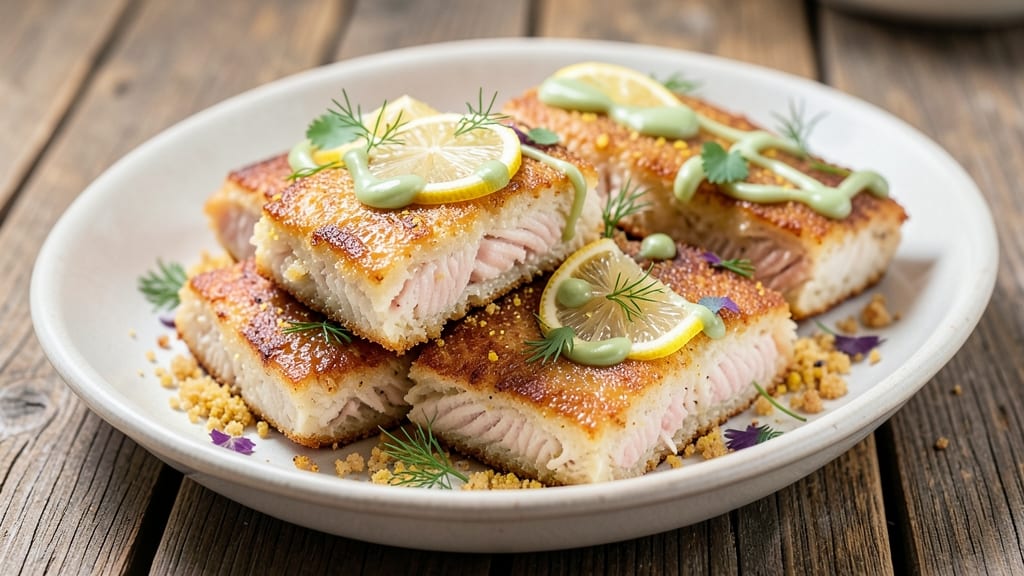
This trout cakes recipe delivers the perfect balance of crispy cornmeal crust and tender fish, elevated by bright citrus notes that cut through the richness. After years of testing variations, I’ve perfected a method that ensures golden, shatteringly crisp edges while keeping the interior flaky and moist—no soggy bites here.
The secret lies in the cornmeal-to-breadcrumbs ratio and a quick lemon-zest marinade that transforms ordinary trout into something extraordinary.
The beauty of these trout cakes is their versatility—they work as a standalone appetizer or pair beautifully with a tangy lemon aioli or classic tartar sauce.
With just a handful of simple ingredients and 15 minutes of active prep (plus 10 minutes of baking), you’ll have a restaurant-quality dish that’s far more impressive than anything you’d find at a seafood bar. The citrus-kissed freshness isn’t just for show; it’s what makes these cakes shine.
What you’ll end up with is a plate of crispy, golden-brown trout cakes that crackle with every bite, their centers staying tender and flavorful. The cornmeal adds a satisfying crunch, while the lemon brightens each piece, creating a harmony of textures and tastes that’s impossible to resist.
Serve them warm with a squeeze of fresh lemon or a dollop of sauce—this is the kind of appetizer that disappears faster than you can say “second round.”
Whether you’re hosting a dinner party or simply craving something special for a weeknight, these trout cakes deliver professional results with minimal effort. The recipe scales easily, so you can make a small batch for two or double it for a crowd.
Here’s how to achieve that perfect crunch and citrus-kissed freshness every time.
Ingredients for trout cakes
Bright citrus and crispy cornmeal—just these simple ingredients transform flaky trout into showstopping bites.
| Ingredient | Amount | Notes |
|---|---|---|
| Fresh Trout Fillets 🐟 | 1 lb | Skinless, boneless, cut into 1-inch pieces |
| Fine Yellow Cornmeal 🌽 | ½ cup | Stone-ground preferred for texture |
| Panko Breadcrumbs 🍞 | ½ cup | Light and crispy texture |
| Large Eggs 🥚 | 2 whole | Beaten for binding |
| Fresh Lemon Zest 🍋 | 1 tbsp | Bright citrus flavor |
| Fresh Lemon Juice 🍋 | 2 tbsp | Freshly squeezed |
| Extra-Virgin Olive Oil 🫒 | 2 tbsp | For crispy coating |
| Fresh Parsley 🌿 | ¼ cup | Chopped finely |
| Dijon Mustard 🍯 | 1 tsp | Adds tangy depth |
| Kosher Salt 🧂 | 1 tsp | Fine grain preferred |
| Ground Black Pepper 🌶️ | ½ tsp | Freshly ground |
| All-Purpose Flour 🌾 | 2 tbsp | For light coating |
The trout makes all the difference here. Freshness is key—look for fillets that smell clean and have a firm texture. I always grab mine from Whole Foods or the seafood counter at Trader Joe's—they keep it flash-frozen until checkout, which preserves quality. If you're using frozen trout, thaw it overnight in the fridge. The cornmeal? Stone-ground gives the best texture, but regular fine cornmeal works too. Panko is non-negotiable for that perfect crunch—don't use regular breadcrumbs, they'll make your cakes dense. And trust me on the lemon zest: freshly grated from an organic lemon makes a world of difference compared to bottled zest.
No fresh parsley? Dried parsley at half the amount works in a pinch, but fresh is ideal for that bright pop of color. Short on Dijon? Yellow mustard in a pinch, but it won't have the same depth. The trout can be substituted with white fish like cod or haddock if you prefer, but trout's natural mild sweetness is perfect here. For extra crispiness, I like to double the cornmeal if I'm feeling fancy. And if you're worried about soggy cakes, pat the trout pieces completely dry before coating—this is the secret to that perfect crunch.
These cakes keep well for 2 days in the fridge, but honestly, they're best eaten fresh. For make-ahead prep, assemble the cakes, then chill them uncovered for 30 minutes before baking—this helps the coating set. Reheat in a 350°F oven for 5-7 minutes to restore crispiness. Freeze unbaked cakes on a tray first, then transfer to a bag for up to 1 month. They're perfect for meal prep—just bake straight from frozen, adding 2-3 extra minutes.
Why You'll Love This Recipe
- No Fuss Assembly: I swear by this recipe because it’s the kind of meal that doesn’t demand perfection—just a food processor, a bowl, and 10 minutes of hands-off time. The trout flakes apart easily, the cornmeal and panko soak up just enough moisture to bind without falling apart, and honestly? The lemon zest is the real MVP here, cutting through any fishy notes while adding that bright, tangy punch.
- Crispy-Creamy Magic: That first bite—where the golden panko gives way to a tender, flaky trout center—is chef’s kiss. The cornmeal adds a subtle grit that keeps it from being too heavy, and the lemon zest? It’s like a little sunshine in your mouth, balancing the richness. (Yes, even the kids fight over these.)
- Weeknight or Weekend Star: These cakes are my go-to for lazy Fridays and fussy dinner parties. Pan-sear them for a quick weeknight meal, or dress them up with a lemon-dill aioli and microgreens for guests. They’re hearty enough for a main but light enough to feel special—no one will guess how little effort they took.
- Leftovers? Better Than New: Between us, the second day is often the best. The panko stays crispy, the trout holds its shape, and the lemon flavor deepens into something almost citrusy-perfumed. I’ve reheated them in a skillet, tossed them cold into salads, or even stuffed them into wraps—no sad, dry fish here. (Pro tip: store them in a single layer so they don’t stick.)
Step-by-step instructions for crispy trout cakes
Here's how to create golden, crispy trout cakes with bright citrus notes and perfect texture.
Prepare the Trout Mixture
In a food processor, combine the 1 lb fresh trout fillets with the 2 tbsp fresh lemon juice, 1 tsp Dijon mustard, 1 tsp kosher salt, and 0.5 tsp ground black pepper. Pulse until the trout forms a coarse, chunky texture—think small, pea-sized pieces with some visible flakes. You're not making a paste; you want visible trout throughout for that authentic texture.
Transfer the trout mixture to a large bowl. Add the 2 whole large eggs, the 1 tbsp fresh lemon zest, and the 0.25 cup finely chopped fresh parsley. Gently fold everything together with a silicone spatula until just combined. Don't overmix—just enough to distribute the ingredients evenly. The mixture should look moist but not soupy, with visible trout pieces throughout.
Create the Crispy Coating
In a shallow bowl, combine the 0.5 cup fine yellow cornmeal, 0.5 cup panko breadcrumbs, and the 2 tbsp all-purpose flour. This is your crispy crust—each ingredient plays a role: the cornmeal adds texture, the panko provides airy crunch, and the flour helps bind everything together.
In another shallow bowl, beat the 2 tbsp extra-virgin olive oil with 1 tbsp fresh lemon juice until emulsified. This oil mixture will help create that perfect golden crust while adding moisture to prevent dryness. Now you're ready to build those crispy layers.
Assemble and Chill the Trout Cakes
Working with one piece of trout mixture at a time, dip it into the oil mixture first to coat evenly, then press it into the cornmeal-panko-flour mixture, coating all sides completely. The oil helps the coating stick better and creates that beautiful golden crust. Place each coated trout cake on a parchment-lined baking sheet.
Repeat until all the trout mixture is coated. Once all cakes are formed, cover the baking sheet with plastic wrap and refrigerate for at least 30 minutes. This chilling step is crucial—it firms up the mixture so the cakes hold their shape when frying and prevents them from falling apart. You'll know it's ready when the coating looks dry to the touch.
Fry to Golden Perfection
Heat about 1 inch of vegetable oil in a deep skillet over medium heat until it reaches 350°F. You want the oil hot enough to sizzle gently when you add the trout cakes, but not so hot that it smokes. Test with a small piece of trout cake—it should sizzle immediately and float to the surface.
Working in batches to avoid overcrowding, carefully add the trout cakes to the hot oil. Fry for 3-4 minutes per side until golden brown and crispy. The cakes should be deep golden with a crisp exterior and tender interior. If they brown too quickly, reduce the heat slightly to prevent burning. Transfer fried cakes to a paper towel-lined plate to drain excess oil.
Serve Immediately
Serve the trout cakes hot, straight from the fryer, while they're still crispy. The contrast of the crispy exterior with the tender trout inside is what makes these cakes so special. Garnish with additional fresh parsley if desired, and serve with lemon wedges for squeezing extra citrus over the top.
For best results, serve immediately as the cakes will lose their crispiness as they cool. These trout cakes make a fantastic appetizer or light main course, especially when paired with a simple salad or roasted vegetables. The bright lemon notes cut through the richness of the trout and fried coating beautifully.
Pro Tips For Making Trout Cakes
- Dry the fillets well: Fresh trout fillets are slick with moisture, and that’s your enemy here. Pat them thoroughly with paper towels—don’t just wipe them, press down hard to squeeze out every drop. Wet fillets won’t bind with the cornmeal and panko, and your cakes will fall apart when frying. (I used to skip this and wondered why my first batch crumbled like wet sand.)
- Use cold eggs, warm batter: Whisk your eggs ice cold first, then mix them into the cornmeal and panko last. The cold eggs help the batter stay cohesive longer, so you’re not scrambling to cook before the trout gets soggy. If the batter feels too stiff, add a splash of cold water—just enough to loosen it, not dilute it. (Trust me, room-temperature eggs turn this into a science experiment.)
- Press the cakes firm: Don’t just drop spoonfuls of batter into the pan—pack them in tight. Use a wet spoon to flatten each cake to about ½-inch thickness, pressing down until the edges hold. This ensures even cooking and a sturdy bite. (I learned this after flipping a batch that disintegrated like a soufflé. Not pretty.)
- Toast the cornmeal first: Heat your fine yellow cornmeal in a dry skillet over medium-low for 2–3 minutes until it smells nutty and lightly golden. This adds depth to the flavor and prevents a raw, floury taste in your cakes. Just don’t walk away—it burns faster than you’d think. (Your future self will notice the difference, even if you don’t at first.)
Serving suggestions for this recipe
Lemon Aioli Dip
This bright, tangy dip is a must-have pairing—just mix ½ cup mayonnaise with 2 tbsp fresh lemon juice, 1 tbsp Dijon mustard, 1 tsp lemon zest, and a pinch of kosher salt.
The lemon cuts through the richness of the fried trout cakes beautifully, adding a refreshing contrast. I like to serve it in a small bowl with a sprig of fresh dill for garnish. 🍋
Classic Tartar Sauce
For a creamy, herby option, blend ½ cup mayonnaise, 1 tbsp capers, 1 tbsp finely chopped pickles, 1 tbsp fresh chives, 1 tsp lemon juice, and a pinch of Worcestershire sauce. The tangy, briny flavors complement the trout perfectly.
Serve it on the side or drizzle it over the cakes for extra flavor. I often make a double batch—it keeps well in the fridge for up to 3 days.
Citrus Salad Pairing
A simple arugula and blood orange salad balances the richness of the trout cakes. Toss 4 cups baby arugula with 2 blood oranges (segmented), ¼ cup shaved fennel, and a dressing of 2 tbsp olive oil, 1 tbsp honey, and 1 tbsp lemon juice.
The citrusy sweetness and peppery arugula create a refreshing contrast that keeps the meal light and vibrant.
Warm Crusty Bread
Serve the trout cakes with warm, crusty baguette slices for dipping or topping. Toast the bread with garlic butter (mix 2 tbsp softened butter with 1 minced garlic clove and a pinch of salt) for an extra touch of indulgence.
The bread soaks up any leftover lemon aioli or tartar sauce beautifully, making every bite even more satisfying.
Garnish Like a Pro
Elevate your presentation with a few simple garnishes. A sprinkle of fresh parsley or chives adds color and freshness, while a squeeze of fresh lemon over the top enhances the citrus notes.
For an extra touch, add a few edible flowers or a drizzle of hot honey to create a visually stunning dish that’s just as delicious as it looks.
Beer Pairing
Pair your trout cakes with a crisp, citrusy beer like a Belgian witbier or a light lager. The effervescence and citrus notes in these beers cleanse your palate between bites, balancing the richness of the fried cakes.
A Saison Dupont or Peroni are my go-to choices—they complement the dish without overpowering it. 🍺
Nutrition facts
Frequently asked questions
Can I make trout cakes without frying them?
For a baked version, preheat your oven to 400°F and line a baking sheet with parchment paper. Spray the coated trout cakes with olive oil and bake for 12-15 minutes, flipping halfway, until golden and crispy. The texture will be slightly different but still delicious—just expect less browning than frying.
What if my trout cakes turn out too dense?
Overmixing the trout mixture or using too much flour in the coating are common culprits. To fix it next time, gently fold the ingredients just until combined, and stick to the 2 tbsp flour measurement. Also, ensure your trout pieces are patted completely dry before coating—moisture causes dense, heavy cakes.
Can I substitute trout with another fish?
Yes! White fish like cod, haddock, or tilapia work well—they have a mild flavor that absorbs the citrus and herbs beautifully. For a bolder taste, try salmon, but reduce the lemon to 1 tbsp juice and 0.5 tbsp zest to avoid overpowering the dish.
How do I reheat trout cakes without losing crispiness?
Reheat in a 350°F oven for 5-7 minutes on a wire rack (not a plate) to allow air circulation. For extra crispiness, broil for 1-2 minutes at the end, watching closely to avoid burning. Microwaving will make them soggy—avoid it if you want that perfect crunch!
Why do my trout cakes fall apart when frying?
This usually happens if the mixture isn’t chilled long enough before frying or if the oil isn’t hot enough. Always refrigerate the cakes for 30+ minutes before cooking, and test the oil temperature with a small piece—it should sizzle immediately. Also, avoid overcrowding the pan, which lowers the oil temperature.