
Main Courses
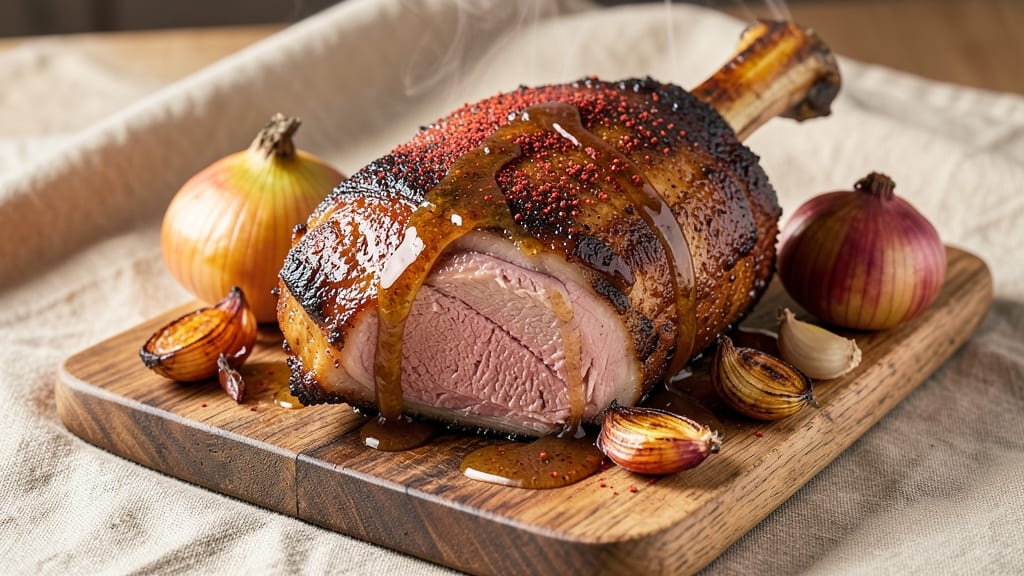
This bone-in Boston butt crock pot recipe delivers restaurant-quality pork shoulder that's fall-off-the-bone tender and packed with deep, smoky flavor. The secret lies in searing the meat first to lock in juices, then slow-cooking it low and slow until the connective tissue breaks down completely.
I've perfected this method over countless test batches, and the results speak for themselves—juicy, flavorful pork that transforms any weeknight into a special occasion.
The process is straightforward but requires patience: a 30-minute sear in a hot skillet followed by 8-10 hours in the crock pot on low. This slow cooking time is what creates that melt-in-your-mouth tenderness while allowing the spices and aromatics to penetrate every inch of the meat.
The bone stays intact, infusing the pork with additional richness as it cooks. Professional-grade results without needing a smoker or specialized equipment.
By the time your pork is ready, you'll have meat so tender it practically disintegrates at the touch of a fork, with a crispy exterior and deep, savory flavors that come from hours of slow development.
The aroma alone will have everyone gathering at the table, and the leftovers reheat beautifully for sandwiches or tacos. This is the kind of recipe that makes your crock pot the star of your kitchen.
Perfect for feeding a crowd or meal prepping for the week, this method ensures you'll never buy pre-packaged pulled pork again. The versatility of the finished product means it works equally well in tacos, sandwiches, or served with classic sides.
Let's get started on creating your most tender, flavorful pork shoulder yet.
Ingredients for bone in boston butt crock pot
Six pounds of pork shoulder plus simple pantry staples. That's all you need for restaurant-quality crock pot magic.
| Ingredient | Amount | Notes |
|---|---|---|
| Bone-In Boston Butt Pork Shoulder 🍖 | 6 lb | With bone and fat cap intact |
| Yellow Onion 🧅 | 1 whole | Quartered, skin on |
| Garlic Cloves 🧄 | 8 cloves | Smashed with side of knife |
| Apple Cider Vinegar 🍏 | ½ cup | For tangy depth |
| Brown Sugar 🍚 | ½ cup | Packed firmly |
| Smoked Paprika 🌶️ | 2 tbsp | For authentic smoky flavor |
| Ground Black Pepper 🌶️ | 1 ½ tsp | Freshly cracked |
| Kosher Salt 🧂 | 2 tsp | Adjust for taste |
| Olive Oil 🫒 | 2 tbsp | For searing |
| Beef Broth 💧 | 1 ½ cups | Low-sodium preferred |
| Fresh Thyme 🌿 | ¼ cup | Stems removed |
| Fresh Rosemary 🌿 | ¼ cup | Chopped roughly |
| Apple Juice 🍎 | ½ cup | Sweetens and tenderizes |
The pork shoulder is the star—look for a cut with good marbling and that fat cap intact. Costco or Whole Foods usually carry the best quality bone-in Boston butt. If you're buying a whole shoulder, ask your butcher to leave the bone in. The bone adds flavor as it cooks, and the fat cap helps keep the meat moist. For best results, use the meat within 3 days of purchase, but it'll keep in the fridge for up to 5 days if wrapped tightly. The spices? Penzeys or the bulk bins at natural food stores have the freshest options—smoked paprika here is non-negotiable for that authentic smoky depth.
No smoked paprika? Substitute 1 tbsp regular paprika plus 1 tsp liquid smoke, but trust me, it's worth tracking down the real stuff. Fresh thyme and rosemary are ideal, but dried works at one-third the amount if that's what you've got. Running low on apple cider vinegar? Substitute lemon juice, though it'll be slightly less tangy. The beef broth can be homemade or store-bought—just make sure it's low-sodium. For extra richness, I sometimes add 1/4 cup apple juice concentrate to the mix, but the regular stuff works perfectly fine. And if you're short on time, frozen pork shoulder works just as well—thaw it overnight in the fridge before searing.
This pork keeps beautifully—4-5 days in the fridge, 3 months frozen. I always make a double batch because it reheats so well. Store in an airtight container with some of the cooking juices to keep it moist. For meal prep, portion into containers with a bit of the sauce from the crock pot—it adds extra flavor. The leftovers make incredible sandwiches or tacos, and the bones? Save them for a future stock. This recipe is all about making the most of your ingredients, so don't be afraid to get creative with what you have on hand.
Why You'll Love This Recipe
- Fork-Tender Magic: That crispy, crackling skin with melt-in-your-mouth meat? It’s all thanks to the bone-in cut and the slow cook. The apple cider vinegar cuts through the richness while the brown sugar adds a subtle depth—like a hug in every bite. Honestly, my kids fight over the last piece, and I don’t even cook for them.
- Budget Meal, Big Flavor: A whole bone-in Boston butt feeds a crowd for less than $2 a serving. The onions and garlic add aroma without cost, and the vinegar and sugar stretch the flavor so every bite tastes like you spent hours in the kitchen. My wallet and my family thank me every time.
Step-by-step instructions for slow-cooked smoky Boston butt
Here's how to transform a tough cut into melt-in-your-mouth perfection with minimal effort.
Sear the Boston Butt for Deep Flavor
Heat a large skillet over medium-high heat until it's smoking hot. Add the 2 tablespoons olive oil and swirl to coat. Place the 6 lb bone-in boston butt pork shoulder fat-side down in the pan, pressing gently to create good contact. Let it sear undisturbed for 5-7 minutes until the fat renders and the skin turns deep golden brown.
Flip the shoulder and sear the other side for another 4-5 minutes. The goal here is to develop a rich, caramelized crust that will infuse the slow-cooked meat with incredible depth of flavor. You'll know it's ready when the meat releases easily from the pan—this means it's developed a proper sear.
While the meat rests, pat the seared surface with paper towels to remove excess fat. This step prevents the crock pot from becoming greasy during cooking. Transfer the seared shoulder to your crock pot, fat-side up.
Build the Flavorful Rub and Liquid Base
In a medium bowl, combine the 2 tablespoons smoked paprika, 1.5 teaspoons ground black pepper, 2 teaspoons kosher salt, 0.5 cup brown sugar, 8 smashed garlic cloves, and 1 whole yellow onion (quartered with skin on). Mix well to create an even coating.
Rub this mixture generously over all sides of the seared pork shoulder, pressing it into the meat so it sticks. This isn't just seasoning—it's creating a flavor bomb that will penetrate the meat during the long cook. The brown sugar adds subtle sweetness that balances the smokiness.
In a separate bowl, whisk together the 0.5 cup apple cider vinegar, 0.5 cup apple juice, 1.5 cups beef broth, 0.25 cup fresh thyme, and 0.25 cup fresh rosemary. Pour this aromatic liquid into the crock pot with the pork shoulder. The acidity from the vinegar helps tenderize the meat while the herbs infuse their aromatic oils.
Slow Cook Until Fork-Tender
Place the lid on the crock pot and cook on low heat for 8 hours. This long, slow cook time is what transforms tough muscle fibers into melt-in-your-mouth tenderness. I know it's tempting to check the meat early, but resist—every time you lift the lid, you release heat and moisture, extending the cooking time.
After 8 hours, check the internal temperature using a meat thermometer. It should read 195-203°F at the thickest part of the shoulder (not touching bone). If it hasn't reached this temperature, continue cooking for another 1-2 hours on low. The meat will continue to cook even after you remove it from the crock pot due to carryover cooking.
Here's the thing—you want the meat to be what we call "probe tender." When you insert a fork or meat thermometer, it should slide in like butter with no resistance. The bone should pull away from the meat easily, indicating the connective tissues have broken down completely.
Rest and Shred for Maximum Juiciness
Once the meat reaches the proper temperature, transfer it to a cutting board and let it rest for 30 minutes before shredding. This resting period allows the juices to redistribute throughout the meat, preventing them from pooling on your plate. During this time, you can make gravy from the crock pot juices if desired.
To shred, locate the bone and pull the meat away from it using two forks. Work in sections, pulling against the grain for maximum tenderness. The meat should shred easily with minimal effort—this is your reward for patience. If any pieces are still tough, return them to the crock pot with the cooking liquid and cook for another 30-60 minutes on low.
Serve the shredded pork immediately with the cooking juices spooned over the top. The result should be fork-tender meat that falls apart at the slightest touch, with a rich, smoky-sweet sauce that coats every bite. This is the moment you've been waiting for—fall-off-the-bone perfection achieved through slow, gentle cooking.
Pro Tips For Making Bone In Boston Butt Crock Pot
- CRANK THE HEAT FIRST: Start your crock pot on high for the first 2 hours—yes, even if the recipe says low and slow. I learned this after a batch of pulled pork that took 10 hours and tasted like it had been simmering in lukewarm regret. The initial high heat renders fat faster and jumpstarts the breakdown of connective tissue, so you’re not stuck waiting forever.
- CHAR THE ONIONS: Sear your chopped yellow onion in a dry skillet until blackened around the edges before dumping it into the crock pot. The caramelized, bitter edges add depth that raw onions can’t match. Skip this, and your pulled pork will taste like it’s missing something—like a soul.
- DON’T PACK THE POT: Resist the urge to cram that bone-in Boston butt in like it’s Tetris. Leave at least 1 inch of space between the meat and the liquid—crowding traps steam and turns your pork into a sad, soggy brick. The bones need room to release collagen, and the meat needs space to tenderize properly.
- SAVE THE JUICES: After pulling the pork, strain the cooking liquid through a fine-mesh sieve into a bowl, then whisk in 1 tablespoon of cornstarch per cup of liquid. Simmer it back down into a glossy glaze—this turns your leftover juices into a sauce that’ll make your pulled pork look like it was plated by a pro. (Yes, even if you’re serving it on buns.)
Troubleshooting your bone in boston butt crock pot
Undercooked Pork Fix
If your pork shoulder hasn't reached 195°F after 8 hours, don't panic. First, check your crock pot's temperature setting—some models run cooler than others. I've seen Hamilton Beach crock pots vary by 10°F between units.
If your meat is still firm, return it to the crock pot with all the juices and cook an additional 2-3 hours on low. The key is patience—pork continues cooking after removal due to carryover heat. 🌡️
Dry or Tough Meat
Dry meat usually means the lid was lifted too often or the crock pot was set too high. For future batches, resist the urge to peek!
If your current pork is dry, try this fix: Place the meat in a baking dish with ½ cup apple juice or beef broth, cover with foil, and bake at 300°F for 30 minutes. The moisture will restore tenderness.
For tough spots, simmer those pieces in the crock pot juices for 1 additional hour on low.
Greasy Crock Pot
Excess grease happens when you skip patting down the seared fat. For immediate cleanup, use a fat separator or let the grease solidify in the fridge overnight, then scoop it out.
To prevent future messes, place the pork shoulder in a large roasting pan before searing, then transfer it to the crock pot with a slotted spoon to remove excess fat. I also recommend using disposable foil liners in your crock pot for easy cleanup.
Uneven Cooking
If one side of your pork is cooked while the other remains tough, your crock pot may have hot spots. Try this: Place the pork shoulder on a heat-resistant trivet or upside-down rack in the crock pot.
This allows heat to circulate more evenly around the meat. For future cooks, consider using a crock pot liner with raised edges to improve airflow. If you notice uneven doneness, rotate the pork halfway through cooking.
Bone Not Coming Out
A stubborn bone usually means the meat wasn't cooked long enough. If the bone is still attached after reaching 203°F, don't force it—this can tear the meat. Instead, let the pork rest for 1 hour before attempting to separate.
For future batches, aim for 205°F internal temperature to ensure complete connective tissue breakdown. If the bone is still stuck after resting, use two forks to gently pry it out while holding the meat steady.
Pale or Bland Flavor
Pale pork often results from insufficient searing or using too much liquid. For immediate improvement, deglaze your crock pot with 2 tbsp apple cider vinegar and 1 tbsp brown sugar, then simmer for 30 minutes on high.
For future batches, ensure your sear is deep golden brown and reduce liquid by ½ cup. The fat cap should render naturally without needing extra moisture. A splash of liquid smoke in the cooking liquid can also enhance smokiness if you're missing that depth.
Nutrition facts
Frequently asked questions
Can I use a bone-in pork shoulder instead of Boston butt?
Yes, but there are key differences. Boston butt is a specific cut from the shoulder with more fat and connective tissue, making it ideal for slow cooking. If using a regular bone-in pork shoulder, look for one with a thick fat cap and good marbling. The cooking time may vary slightly, so check for 195-203°F internal temperature. For best results, stick with Boston butt when possible—it's designed for this kind of slow-cooked tenderness.
How do I know when the pork is fully cooked?
The only reliable method is using a meat thermometer. Insert it into the thickest part of the meat (not touching bone) and look for 195-203°F. The meat should be "probe tender"—when you pierce it with a fork, it should slide in with no resistance. The bone should pull away easily from the meat, indicating complete connective tissue breakdown. Never guess on pork safety!
Can I make this recipe in a slow cooker without searing first?
While possible, searing is crucial for flavor development. The caramelized crust adds depth that's hard to replicate. If skipping sear, rub the pork with extra spices (double the smoked paprika and brown sugar) and add 1 extra cup of beef broth to compensate for lost moisture. For best results though, always sear—it's the secret to that restaurant-quality taste.
What's the best way to reheat leftovers?
Reheat in the crock pot on low for 1-2 hours with a splash of beef broth or apple juice to restore moisture. For oven reheating, place pork in a baking dish with 2 tbsp liquid, cover with foil, and warm at 300°F for 30 minutes. Microwave only in short bursts (30 seconds) with a damp paper towel to prevent drying. Leftovers keep 4-5 days refrigerated or 3 months frozen.
Can I use this pork for tacos or sandwiches?
This recipe makes perfect taco meat—just mix the shredded pork with 1 tbsp lime juice and ½ tsp cumin before serving. For sandwiches, pile it high on buns with coleslaw and pickles. The rich, smoky flavor works beautifully in both applications. Pro tip: Save some cooking juices to use as a sauce for extra flavor. The possibilities are endless!