
Beverages
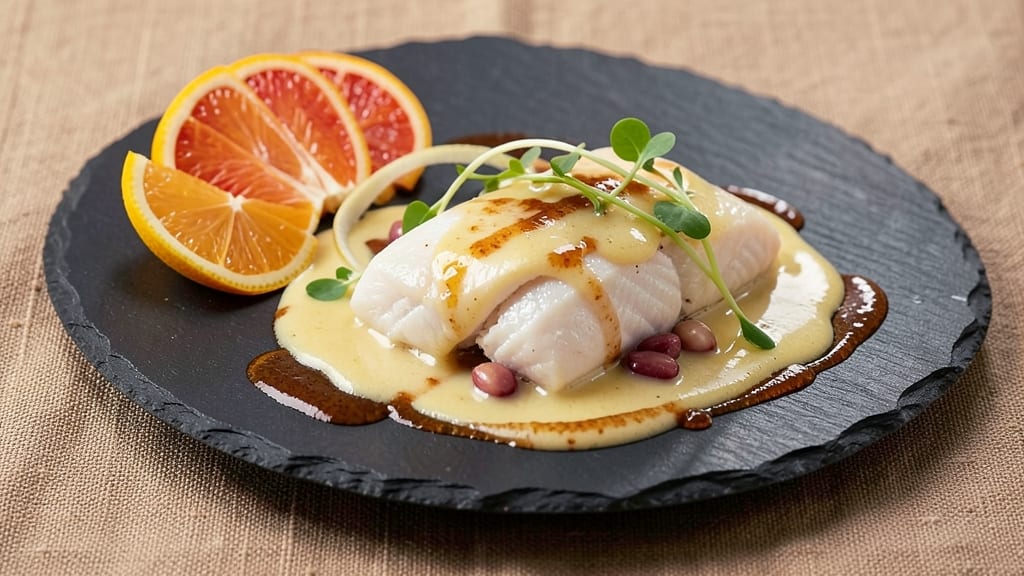
Poaching cod in coconut milk transforms delicate white fish into a luxurious, silky dish with an aromatic, velvety broth that feels like a vacation in every bite.
The gentle simmering process preserves the cod's natural tenderness while infusing it with the rich, slightly sweet flavors of coconut milk—a technique that elevates simple seafood into something restaurant-worthy.
I developed this recipe after years of experimenting with poaching methods, and the difference between store-bought frozen cod and this version is truly remarkable.
The beauty of this method lies in its simplicity: just a few ingredients, a precise cooking time, and a hands-off approach that yields perfect results every time. Coconut milk not only tenderizes the fish but also creates a fragrant, creamy sauce that clings to each flake.
Unlike traditional poaching liquids, coconut milk adds depth without overpowering the delicate flavor of the cod, making it ideal for those who prefer lighter yet flavorful seafood dishes.
By the end of this process, you'll have perfectly poached cod fillets with a tender, almost melt-in-your-mouth texture, swimming in a glossy, golden coconut broth.
The dish is elegant enough for a dinner party but simple enough for a weeknight meal, and it pairs beautifully with steamed jasmine rice, fresh citrus slices, or a simple green salad to balance the richness. The aroma alone will have everyone at the table asking for seconds.
This recipe also works beautifully with other white fish like haddock or halibut, making it versatile for different seafood preferences. Whether you're serving it as a main course or as part of a larger seafood spread, the creamy coconut milk poaching technique ensures a dish that's both impressive and foolproof.
Let's get started on creating this luxurious yet approachable seafood masterpiece.
Ingredients for coconut milk poached cod
Fourteen ingredients transform delicate cod into restaurant-worthy luxury with minimal effort.
| Ingredient | Amount | Notes |
|---|---|---|
| Cod Fillets 🐟 | 1 ½ lb | Skinless, center-cut preferred |
| Full-Fat Coconut Milk 🥥 | 2 cups | Canned, unsweetened preferred |
| Fresh Lemon Juice 🍋 | ¼ cup | Freshly squeezed, strained |
| Fresh Ginger 🌿 | 1 tbsp | Finely grated, aromatic |
| Garlic Cloves 🧄 | 4 cloves | Minced, fresh preferred |
| Asian Fish Sauce 🍶 | 1 tbsp | Red Boat preferred |
| Brown Sugar 🍚 | 1 tbsp | Lightly packed, for balance |
| White Wine 🍷 | ¼ cup | Dry, like Sauvignon Blanc |
| Fresh Cilantro 🌿 | ¼ cup | Chopped, for garnish |
| Lime Zest 🍋 | 1 tsp | Bright, aromatic |
| Sea Salt 🧂 | 1 tsp | Fine grain, kosher preferred |
| White Peppercorns 🌶️ | ½ tsp | Freshly cracked |
| Unsalted Butter 🧈 | 2 tbsp | Cold, for finishing |
The cod is non-negotiable here—fresh, center-cut fillets from a trusted fishmonger make all the difference. Look for fillets with bright, translucent flesh and minimal fishy odor. Whole Foods or local seafood markets often carry the best quality, but frozen cod with no ice crystals works too. If using frozen, thaw it overnight in the fridge. The coconut milk should be full-fat and unsweetened—Thai Kitchen or Goya brands are reliable. Avoid light coconut milk; it lacks the richness needed for proper poaching. For the fish sauce, Red Boat is the gold standard, but Three Crabs works too.
No coconut milk? Heavy cream plus 1 tbsp coconut cream mimics the texture, though flavor will differ. Short on lemon juice? Lime juice at half the amount works, but the dish loses brightness. Fresh ginger is ideal, but dried ginger at one-third the amount suffices in a pinch. The white wine can be swapped for fish stock or extra coconut milk, though wine adds acidity that balances the richness. For the butter, European-style unsalted like Plugrá melts beautifully, but any good-quality unsalted works. If you're avoiding wine, white grape juice adds subtle sweetness without alcohol.
This dish reheats beautifully—simmer gently in its coconut broth for 2-3 minutes to restore tenderness. Store in an airtight container with a thin layer of coconut milk on top to prevent drying. Keeps for 3 days in the fridge, though flavor peaks on day two. For longer storage, freeze the fillets with their poaching liquid in a single layer before transferring to a bag—up to 3 months. Garnish with cilantro and lime zest just before serving to preserve freshness. The butter should be added at the very end to maintain its richness.
Why You'll Love This Recipe
- One-Pot Magic: I swear by this recipe when I’m too tired to dirty three pans. Just toss the cod, coconut milk, and spices into one pot, simmer, and walk away. The milk does all the work—no flipping, no frying, no stress.
- Creamy-Zing Balance: That first bite? The cod stays tender while the coconut milk wraps around it like a hug, but the lemon and ginger cut through the richness so it’s bright, not heavy. Honestly, it’s the kind of flavor that makes you pause mid-fork.
- Weeknight to Dinner Party: I make this for lazy Tuesdays (because yes, even on a Tuesday night) and then again for guests because it feels fancy without trying. The aroma alone—ginger and garlic steeping in coconut—makes the table look like you spent hours.
- Leftovers That Don’t Suck: Poached cod reheats beautifully, and the sauce thickens just enough to coat every bite. I’ll be real: my lunch the next day is basically a dream, especially with some rice or crusty bread to soak up that creamy goodness. Budget-friendly too—cod’s cheaper than you’d think, and coconut milk stretches it further.
Step-by-step instructions for coconut milk poached cod
Here's how to create tender, flaky cod in a rich coconut broth that balances sweet, tangy, and umami flavors perfectly.
Prepare the Poaching Broth
In a medium saucepan, combine the 2 cups full-fat coconut milk, 0.25 cup fresh lemon juice, 1 tbsp finely grated fresh ginger, 4 minced garlic cloves, 1 tbsp brown sugar, and 0.25 cup white wine. Bring to a gentle simmer over medium heat, then reduce to the lowest setting to maintain a barely bubbling state. This simmering process allows the flavors to meld without curdling the coconut milk.
Stir in the 1 tbsp Asian fish sauce and 1 tsp sea salt, then add the 1 tsp lime zest. Let the broth steep for 5 minutes while you prepare the cod. The lime zest will infuse its bright aroma, and the fish sauce will deepen the umami profile. Keep the heat at the lowest setting—you want the broth to stay warm but not boil vigorously, which could cause the coconut milk to separate.
Season and Poach the Cod
Pat the 1.5 lb cod fillets completely dry with paper towels—this ensures they develop a delicate crust rather than absorbing excess moisture. Season both sides generously with 0.5 tsp freshly cracked white peppercorns, then carefully place the fillets into the simmering broth. They should float just below the surface, so avoid overcrowding the pan if you're using multiple fillets.
Poach the cod for 8-10 minutes, depending on thickness, until the flesh is opaque and flakes easily with a fork. The broth should remain at a gentle simmer—if it bubbles too vigorously, reduce the heat immediately to prevent the cod from cooking unevenly or the coconut milk from curdling. The cod is done when it reaches 145°F internally, but the fork test is more reliable for this delicate fish.
Finish with Butter and Garnish
Remove the cod from the broth and transfer it to a warm serving platter. Ladle the poaching liquid over the top, reserving 1 cup for serving on the side. Return the saucepan to low heat and add the 2 tbsp cold unsalted butter, stirring until it melts into the broth. This step creates a silky, velvety finish that enhances the creaminess promised in the title.
Garnish the cod with 0.25 cup chopped fresh cilantro and serve immediately with the reserved broth spooned alongside. The contrast of the bright, herby cilantro against the rich coconut broth elevates the dish, while the buttery finish ties everything together. Each bite should deliver tender, flaky cod with a luxurious, aromatic broth that coats every forkful.
Pro Tips For Making Coconut Milk Poached Cod
- Simmer Gently, Not Boil: Coconut milk curdles faster than you can say "overcooked cod"—keep the heat at a bare simmer, just below bubbles. I learned this after watching my first batch turn into a cloudy mess; now I use the "finger test" (if you can’t hold your hand comfortably in the liquid, it’s too hot).
- Grate Ginger Fine: Skip the food processor—freshly grated ginger needs to dissolve, not float. Use the smallest holes on your grater and let it sit in the coconut milk for 10 minutes before adding the cod. Trust me, your dish will taste like it was made by someone who actually likes ginger, not just threw it in.
- Dry Cod Before Poaching: Pat those fillets thoroughly with paper towels—wet skin means steam pockets that turn your cod to rubber. I used to skip this, and the result was always sad, floppy fish. Do it even if it feels like overkill; the coconut milk will reward you with a silky texture.
- Strain the Garlic: Yes, even if you love garlic flavor. Finely minced cloves burn easily and make the poaching liquid bitter. Pulse them in a food processor with a splash of coconut milk first, then strain. It’s an extra step, but your sauce will taste like it came from a restaurant, not a rushed weeknight.
Troubleshooting your coconut milk poached cod
Broth Separation Fix
If your coconut milk curdles or separates during poaching, it’s usually from overheating. Immediately reduce the heat to the lowest setting and stir gently to recombine the mixture. To prevent this, avoid boiling—maintain a gentle simmer at 160-170°F.
If the separation is severe, strain the broth through a fine-mesh sieve and reheat it slowly. Adding 1 tsp cornstarch to 2 tbsp cold water as a slurry can help thicken and stabilize the broth. 🌡️
Cod Overcooking
Cod turns rubbery when overcooked, so use a fork test—it should flake easily at 145°F internal temperature. If your fillets are thicker than 1.5 inches, start checking for doneness at 8 minutes.
For extra insurance, poach in a water bath (saucepan with a steamer basket) to ensure even heat distribution. Once done, remove the cod immediately to prevent further cooking.
Fish Sauce Overpowering
The 1 tbsp Asian fish sauce adds depth, but too much can make the dish taste overly salty or fishy. If you suspect over-salting, dilute the broth with 1-2 tbsp extra coconut milk or a splash of white wine.
For a more subtle umami, reduce the fish sauce to ½ tbsp and add ½ tsp soy sauce instead. Taste as you go—this broth is forgiving, but balance is key.
Broth Too Thin
If your poaching liquid is too thin, simmer it uncovered for 5-10 minutes to reduce slightly. For a thicker consistency, whisk in 1 tsp cornstarch mixed with 2 tbsp cold water and cook for 2 more minutes.
Avoid boiling, or the coconut milk will separate. A slightly thicker broth clings better to the cod and feels more luxurious on the plate.
Cod Not Tender Enough
Undercooked cod can feel dense or chewy. If your fillets aren’t flaky after 10 minutes, extend the poaching time by 1-2 minutes in increments. For thicker cuts, poach at 180°F instead of simmering—this gentle, high-heat method ensures even cooking without drying.
Always pat the cod dry before poaching to promote even heat penetration.
Butter Not Melting Smoothly
Cold butter can create lumps in the finished broth. To avoid this, melt the 2 tbsp unsalted butter in a separate small saucepan over low heat before whisking it into the poaching liquid.
Alternatively, cut the butter into small cubes and add it to the warm (not hot) broth while stirring constantly. The goal is a silky, velvety finish—no graininess allowed! 🧈
Nutrition facts
Frequently asked questions
Can I use light coconut milk instead of full-fat for this recipe?
Light coconut milk won't work well here—the fat content is essential for creating the rich, velvety texture. Full-fat coconut milk provides the necessary creaminess and helps stabilize the poaching liquid. If you're avoiding full-fat, try blending 1 cup heavy cream with 1 tbsp coconut cream for a similar effect.
How do I know when the cod is perfectly cooked?
The cod is done when it reaches 145°F internally and flakes easily with a fork. For 1-inch thick fillets, this takes about 8-10 minutes of gentle simmering. Overcooking turns cod rubbery, so remove it immediately when the center feels tender but still slightly translucent.
What are the best sides to serve with coconut milk poached cod?
This dish pairs beautifully with jasmine rice, steamed bok choy, or a mango-avocado salad to balance the richness. For extra elegance, add a squeeze of lime and toasted sesame seeds. The coconut flavors also complement grilled vegetables or a light coconut curry.
Can I make this recipe ahead of time?
Yes! Poach the cod and store it in the broth at room temperature for up to 2 hours, or refrigerate for 3 days. Reheat gently in the broth over low heat for 2-3 minutes to restore tenderness. For longer storage, freeze the cod with its poaching liquid (up to 3 months)—thaw overnight in the fridge before reheating.
Why does my coconut milk separate when simmering?
Separation usually happens from overheating or boiling. Maintain a gentle simmer (160-170°F) and stir occasionally to prevent curdling. If it separates, strain the broth and reheat slowly. Adding 1 tsp cornstarch to 2 tbsp cold water as a slurry can help stabilize it.