
Main Courses
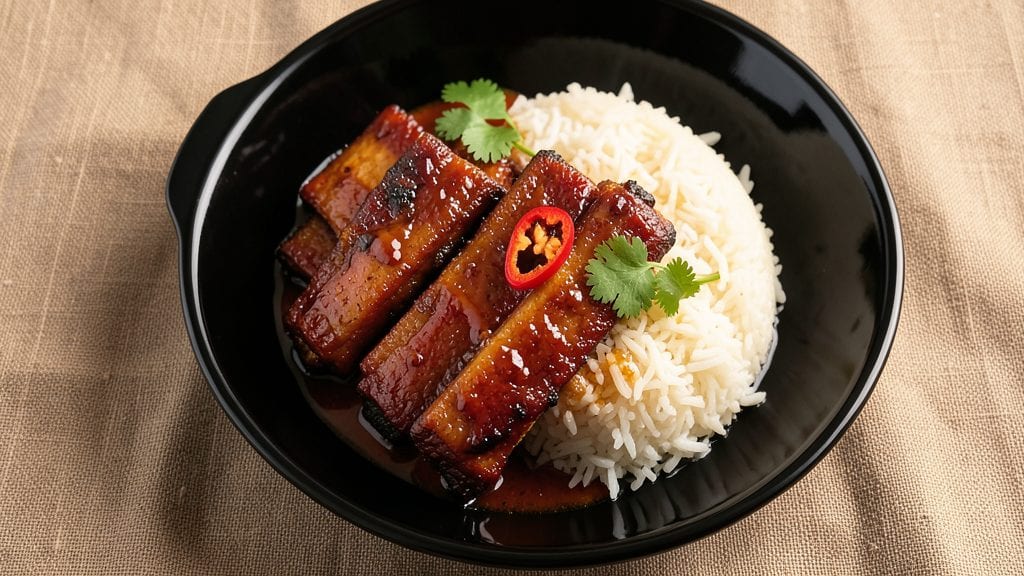
This char siu ribs recipe transforms simple pork into restaurant-quality Cantonese masterpieces with just five-spice and hoisin. After years of testing—including a disastrous first attempt where the ribs stuck to the grill—I finally cracked the balance between sticky glaze and tender meat.
The secret lies in marinating overnight and basting while roasting, creating that signature caramelized crust and sweet-savory flavor.
What makes these ribs special is their versatility—they work equally well on the grill or in the oven, making them perfect for weeknight dinners or special occasions. The marinade’s five-spice blend (star anise, cinnamon, cloves) infuses deep aromatic notes, while the hoisin glaze adds a glossy, slightly tangy finish.
Unlike many recipes, this method delivers foolproof results even for beginners, with no tricky techniques required.
By the time you slice into these ribs, you’ll have juicy, caramelized meat with a glossy glaze that clings perfectly. The aroma alone will fill your kitchen with the scent of a dim sum cart, and every bite delivers that perfect harmony of sweet, smoky, and umami flavors.
Serve with steamed rice and quick-pickled vegetables for an authentic Cantonese meal.
Whether you’re grilling for a crowd or cooking for two, this recipe scales beautifully. The marinade can be prepped ahead, and the ribs reheat well for leftovers—just brush with extra hoisin before serving. Let’s get started on your authentic, sticky-sweet char siu masterpiece.
Ingredients for char siu ribs
Five-spice, hoisin, and tender pork ribs—this Cantonese masterpiece needs just 15 ingredients.
| Ingredient | Amount | Notes |
|---|---|---|
| Pork Ribs 🥩 | 3 lb | Baby back or spare ribs, trimmed |
| Hoisin Sauce 🍶 | ½ cup | Store-bought or homemade, high-quality |
| Five-Spice Powder 🌶️ | 1 tbsp | Authentic blend with star anise |
| Brown Sugar 🍚 | ½ cup | Packed, light or dark variety |
| Soy Sauce 🍶 | ¼ cup | Light or dark, to taste |
| Honey 🍯 | ¼ cup | Wildflower preferred for depth |
| Garlic Cloves 🧄 | 6 cloves | Peeled, minced for marinade |
| Fresh Ginger 🧅 | 2 tbsp | Grated, aromatic variety |
| Sesame Oil 🫒 | 1 tbsp | Toasted, for aroma |
| Star Anise 🌿 | 1 whole | For authentic five-spice flavor |
| Cinnamon Stick 🌿 | 1 whole | For aroma infusion |
| Cloves 🌿 | 3 whole | For depth of flavor |
| Orange Zest 🍊 | 1 tbsp | Fresh, for citrus brightness |
| Salt 🧂 | 1 ½ tsp | Diamond Crystal kosher salt |
| Black Pepper 🌶️ | ½ tsp | Freshly ground for heat |
The ribs are your canvas—baby back or spare ribs both work, but baby backs stay more tender. Costco sells them pre-cut and frozen, which saves time. Look for ribs with good marbling; the fat keeps them juicy. If you're buying whole ribs, trim the membrane first—it's a game-changer for even cooking. For the five-spice powder, Penzeys or Spicewalla have authentic blends, but the grocery store stuff works too if it's labeled 'five-spice'. The star anise, cinnamon, and cloves are non-negotiable for that dim sum aroma—don't skip them even if your powder already includes them.
No hoisin sauce? Mix 3 tbsp soy sauce, 2 tbsp honey, 1 tbsp molasses, and 1 tsp sesame oil—it's not identical, but it'll get you close. Fresh ginger is ideal, but powdered works at half the amount. The orange zest adds brightness—substitute 1 tsp orange extract if you're in a pinch, but fresh zest is worth the zest (pun intended). For the brown sugar, muscovado or turbinado adds depth, but regular light brown sugar is fine. The sesame oil is for aroma, not cooking—add it at the end to keep the flavor intact.
Marinate the ribs overnight for maximum flavor—24 hours max, or they'll get mushy. Store the marinade in a sealed container in the fridge. The ribs reheat beautifully—brush with extra hoisin and roast at 375°F for 10-15 minutes. Leftovers keep 3-4 days in the fridge or 3 months frozen. I always make a double batch because these disappear fast—perfect for meal prep or hosting.
Why You'll Love This Recipe
- One-Pan Magic: I swear by this recipe because it’s all about minimal cleanup. Toss the ribs in hoisin and five-spice, bake until sticky and caramelized—no extra bowls or pans needed. The brown sugar glaze pools right on the tray, so you’re basically done by the time the timer dings.
- Sweet-Savory Bomb: That first bite? Pure satisfaction. The hoisin and soy sauce create this perfect balance—sticky, umami-rich, with just enough heat from the five-spice to wake up your taste buds. Honestly, the smell alone makes me forget to wait for the oven.
- Leftover Goldmine: These ribs stay ridiculously good for days. I’ll make a double batch on Sunday, wrap them in foil, and reheat them straight from the fridge for packed lunches or late-night cravings. The glaze keeps them juicy, and the flavors only deepen over time.
- Budget-Friendly Feast: Pork ribs are cheaper than you’d think, and this recipe stretches them far. A single rack feeds four, and the hoisin and spices cost pennies. Between us, this is how I feed my family well without breaking the bank—no fancy ingredients, just flavor-packed magic.
Step-by-step instructions for char siu ribs
Transform simple pork ribs into restaurant-worthy char siu with this balanced blend of sweet, spicy, and aromatic flavors.
Create the Signature Marinade
In a large mixing bowl, combine the 0.5 cup hoisin sauce, 0.5 cup brown sugar, 0.25 cup soy sauce, and 0.25 cup honey. Stir until the brown sugar dissolves completely, creating a smooth, syrupy base. This mixture should coat the back of a spoon—if it's too thick, add 1 tablespoon water to reach the perfect consistency.
Add the 1 tablespoon five-spice powder, 1.5 teaspoons salt, and 0.5 teaspoon black pepper, mixing until fully incorporated. The spices will begin releasing their aromatic oils right away—you'll notice the warm, slightly floral notes of star anise and the subtle heat of cloves. Add the 1 tablespoon orange zest and 1 tablespoon sesame oil, stirring gently to preserve the citrus brightness and nutty aroma.
Finally, fold in the 6 cloves minced garlic and 2 tablespoons grated fresh ginger. The marinade should now have a deep reddish-brown color with a glossy sheen. Let it sit at room temperature for 10 minutes to allow the flavors to meld before using. This resting period ensures the spices fully bloom and the marinade reaches its peak flavor potential.
Prepare the Pork Ribs
Pat the 3 lb pork ribs completely dry with paper towels, removing any excess moisture from the surface. This step is crucial—wet ribs won't develop that signature crispy bark. Place the ribs on a clean cutting board and carefully separate the bones to create flat surfaces for even cooking. You'll want 4-6 rib sections depending on the cut, each with a clean bone structure.
Apply the marinade generously to all sides of the ribs, using your hands to press it into the meat. The marinade should coat every inch—don't be shy, as this ensures maximum flavor penetration. Wrap the ribs tightly in plastic wrap and refrigerate for at least 4 hours, preferably overnight. This extended marination transforms tough pork into tender, flavorful char siu that practically falls apart.
Parboil for Tenderness
Bring a large pot of water to a gentle boil and add the ribs along with the 1 whole star anise, 1 whole cinnamon stick, and 3 whole cloves. These aromatic spices infuse the water with their flavors, creating a subtle but important depth in the final dish. Simmer the ribs for 15 minutes, then remove them and let them cool slightly in the pot.
This parboiling step serves two purposes: it begins the cooking process and helps tenderize the meat. The ribs should feel slightly softened when you press them gently with your fingers. Drain the ribs and return them to the refrigerator, still wrapped, for another 1 hour. This resting period allows the marinade to fully penetrate the meat after the initial cooking.
Roast to Glazed Perfection
Preheat your oven to 375°F and line a baking sheet with aluminum foil for easy cleanup. Arrange the ribs on the prepared sheet, spacing them about 1 inch apart to allow for even browning. Roast for 45 minutes, then increase the heat to 425°F and continue roasting for another 20-25 minutes until the ribs develop a deep caramelized glaze and the internal temperature reaches 195°F.
During the final minutes of roasting, you'll see the marinade transform into a glossy, sticky glaze that bubbles and darkens. This is when the magic happens—the combination of caramelization and Maillard reaction creates that signature char siu appearance. If the glaze starts to burn before the ribs are fully cooked, tent the baking sheet loosely with aluminum foil to protect it while allowing heat to circulate.
Rest and Serve
Remove the ribs from the oven and let them rest on a cutting board for 10 minutes. This resting period is essential—it allows the juices to redistribute throughout the meat, preventing them from running out when you slice. The ribs should be tender enough to pull apart easily with two forks, with a glossy, sticky glaze that clings to every bite.
Slice the ribs between the bones into 1-inch wide sections and arrange them on a serving platter. The char siu should have a beautiful caramelized exterior with a pink, tender interior. Serve immediately with steamed jasmine rice and quick-pickled vegetables to balance the rich, sweet-savory flavors. The aroma alone will have everyone gathering around your table!
Pro Tips For Making Char Siu Ribs
- Trim the Fat First: Cut off the thick fat cap on pork ribs before marinating—it renders unevenly and turns your glaze into a greasy mess. I learned this the hard way after scraping burnt fat off perfect ribs mid-grill.
- Marinate Overnight (Not 30 Minutes): Five-spice powder and hoisin need time to penetrate the meat. Toss ribs in the marinade (hoisin + soy + sugar + spices) at least 12 hours ahead—rushing this step means flavor stuck on the surface, not deep inside.
- Double the Glaze: Save half your leftover marinade/glaze (hoisin + brown sugar + soy) for basting while cooking. Slather it on ribs every 5 minutes—this isn’t just for flavor, it’s what creates that sticky, caramelized crust.
- Finish with Charcoal Heat: If grilling, move ribs to indirect heat 10 minutes before done, then crank the coals underneath for 2-3 minutes. The intense, dry heat seals the ribs with a smoky crust—no smoker needed, just a hot fire.
Essential equipment for char siu ribs
Must-Have Oven Tools
For char siu ribs, your oven becomes the star of the show, so equip it properly. A heavy-duty baking sheet (I love the All-Clad Stainless Steel ones) prevents warping at high heat, while a meat thermometer (like the Thermoworks Smoke) ensures perfect doneness at 195°F internal temp.
A wire cooling rack placed over the baking sheet lets air circulate for crispier edges. 🔥
Grill Essentials
If grilling, invest in a cast-iron grill pan (like Lodge) for indoor options or a charcoal grill for smoky depth. A long-handled basting brush (I use OXO Good Grips) helps apply marinade without burning your fingers.
For outdoor grilling, a meat fork keeps ribs stable while basting. Remember: char siu ribs need indirect heat—place them on the cooler side of the grill.
Marinade Mixing Gear
Your marinade deserves proper mixing tools. A stainless steel whisk (like Cuisinart) blends the hoisin and honey smoothly, while a microplane (I prefer BergHOFF) gets maximum zest from fresh ginger and orange.
For measuring, a liquid measuring cup (like Pyrex) ensures precise ratios. Store-bought hoisin? A fine-mesh strainer removes any lumps before mixing.
Budget-Friendly Swaps
No fancy tools? No problem. Use a large glass bowl for marinating, a spatula instead of a whisk, and aluminum foil as a makeshift roasting pan. A kitchen timer (even your phone works) replaces a meat thermometer—just check for tenderness with a fork.
The key is technique, not equipment. My first char siu attempt used foil and a timer, and it turned out perfect! 💡
Pro Basting Setup
For that signature glossy glaze, baste ribs every 10 minutes during the final 425°F roast. Use a small silicone brush (like Silpat) to apply marinade without dripping. Keep extra marinade in a small saucepan on the stove, warmed gently to maintain flow.
A heat-resistant spatula helps flip ribs without tearing the glaze. Pro tip: Tent with foil if the glaze threatens to burn before the ribs are done.
Cleanup Shortcuts
Line your baking sheet with parchment paper (I use Reynolds) for effortless cleanup. After roasting, transfer ribs to a cutting board and let them rest—this prevents glaze from dripping everywhere. For sticky residue, a damp paper towel wipes clean in seconds.
Store leftovers in airtight containers (like Rubbermaid) to keep ribs moist. The less you scrub, the more time you have to enjoy your masterpiece! ✨
Nutrition facts
Frequently asked questions
Can I make char siu ribs without hoisin sauce?
Yes! Mix 3 tablespoons soy sauce, 2 tablespoons honey, 1 tablespoon molasses, and 1 teaspoon sesame oil for a close substitute. The flavor won't be identical, but it'll give you that sweet-savory balance. For extra depth, add a pinch of five-spice powder and a splash of orange juice.
How do I prevent the ribs from sticking to the grill or oven?
Pat the ribs completely dry before marinating—moisture is the enemy of crispy bark. For the grill, use a cast-iron pan or oil the grates well. In the oven, line your sheet with parchment paper or use a wire rack over the tray. If sticking happens, don't panic—just brush with extra marinade and cook until caramelized.
Can I grill char siu ribs instead of roasting?
Grilling adds a smoky depth that works beautifully. Use indirect heat (place ribs on the cooler side of the grill) and baste frequently with extra marinade. For best results, grill at 350-375°F for 45-60 minutes, turning occasionally. A charcoal grill gives the most authentic flavor, but a gas grill works too.
What's the best way to reheat leftover char siu ribs?
Brush leftovers with extra hoisin or marinade, then reheat in a 375°F oven for 10-15 minutes until warmed through. For the grill, wrap ribs in foil and cook over medium heat for 5-7 minutes. Avoid microwaving—it makes the glaze rubbery. Reheated ribs taste best when slightly crisped again.
Why did my char siu ribs turn out dry?
Dry ribs usually mean overcooking or skipping the parboil step. Always parboil first (15 minutes) to tenderize the meat, and use a meat thermometer—aim for 195°F internal temp. If using a grill, avoid direct flame. For extra moisture, baste frequently with marinade during cooking. The ribs should pull apart easily when done.