
Main Courses
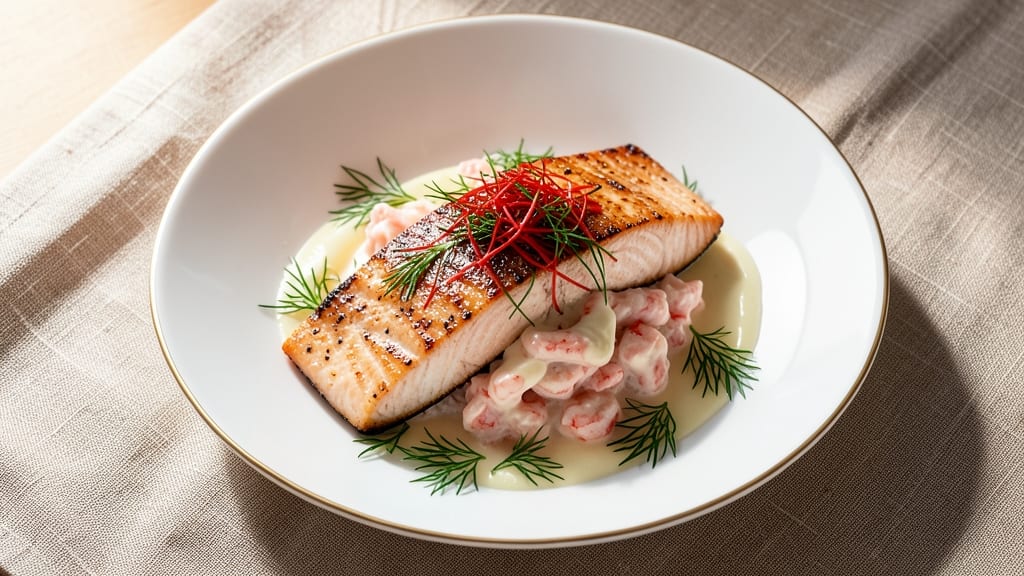
This Japanese baked salmon with crab recipe delivers a perfect balance of crispy salmon skin and creamy crab filling that feels like a high-end sushi restaurant dish. The secret lies in a delicate marinade that enhances the salmon while a rich crab mixture adds luxurious texture and umami depth.
I developed this recipe after years of experimenting with Japanese techniques, and it consistently earns rave reviews from even the most discerning seafood lovers.
The preparation process is straightforward but requires attention to detail for optimal results. You'll start with a simple yet flavorful marinade for the salmon, then carefully layer the crab mixture before baking to achieve that signature crispy top and tender interior.
The recipe calls for precise timing and temperature control—375°F for 12-15 minutes—to ensure the salmon cooks perfectly without drying out. This dish is designed to impress at dinner parties while remaining accessible for home cooks.
What makes this recipe truly special is the harmonious blend of flavors: the sweet-savory glaze on the salmon, the briny richness of the crab, and the subtle umami notes from Japanese-inspired seasonings.
The result is a visually stunning dish with a satisfying contrast of textures—crispy skin, flaky salmon, and velvety crab filling. Serve it with steamed jasmine rice and a side of miso soup to complete the authentic Japanese dining experience.
This recipe works beautifully for special occasions or weeknight dinners when you crave something elegant yet approachable. The crab mixture can be prepared ahead of time, making it easier to assemble the dish just before baking.
With proper technique, you'll achieve restaurant-quality results that will have everyone asking for seconds. Let's get started on creating this showstopping Japanese-inspired masterpiece.
Ingredients for japanese baked salmon with crab
Four premium ingredients transform into restaurant-quality Japanese baked salmon with crab filling.
| Ingredient | Amount | Notes |
|---|---|---|
| Center-Cut Salmon Fillets 🐟 | 4 whole | Skin-on, 6-8 oz each |
| Fresh Lump Crab Meat 🦀 | 1 ½ lb | Picked for uniformity |
| Japanese Mayonnaise 🥛 | ¼ cup | Kewpie preferred for authenticity |
| Unsalted Butter 🧈 | ¼ cup | Cold, cubed for texture |
| Fresh Dill 🌿 | ¼ cup | Finely chopped, stems removed |
| Lemon Zest 🍋 | 1 tbsp | Bright, organic preferred |
| Lemon Juice 🍋 | 1 ½ tbsp | Freshly squeezed |
| Mirin 🍶 | 1 tbsp | Sweet rice wine |
| Sake 🍶 | 1 tbsp | Dry variety preferred |
| Soy Sauce 🥢 | 1 tbsp | Japanese reduced preferred |
| Sesame Oil 🫒 | 1 tsp | Toasted, for aroma |
| Diamond Crystal Kosher Salt 🧂 | 1 tsp | For seasoning only |
| Black Pepper 🌶️ | ½ tsp | Freshly cracked |
| Jasmine Rice 🍚 | 1 ½ cups | Uncooked, for serving |
| Miso Paste 🍜 | 1 tbsp | Red miso for depth |
The salmon selection is critical—center-cut fillets with skin intact ensure that signature crispy texture. Whole Foods or high-end seafood markets carry the best quality, but don't overlook your local fishmonger who can source fresh daily. Look for fillets with vibrant pink flesh and minimal bruising. For the crab, fresh lump meat is non-negotiable—canned or imitation simply won't deliver the same luxurious texture. If you're using frozen crab, thaw it overnight in the refrigerator, then pick through for any shell fragments. The Japanese mayonnaise deserves special attention too: Kewpie brand, available at Asian markets or well-stocked grocery stores, provides that signature tangy sweetness that elevates the dish. For the butter, use unsalted European-style if possible—it melts more cleanly and adds richness without competing with the crab's natural brininess.
No Kewpie mayonnaise? Hellmann's or Best Foods work in a pinch, though the flavor will be slightly less authentic. Substituting imitation crab is possible, but expect a different texture—it will be more rubbery than the delicate fresh lump. Running short on mirin? Dry sherry mixed with 1 tsp sugar approximates its sweetness. The sake can be omitted entirely if unavailable, but the soy sauce and sesame oil remain essential for that umami depth. For the dill, fresh is ideal, but if you must use dried, reduce the amount to one-quarter teaspoon—it's far more potent. The miso paste adds complexity; if you only have white miso, reduce the amount to half a tablespoon to avoid overpowering the delicate crab flavor. When assembling, work quickly to keep the crab mixture cold—it should be just firm enough to hold its shape when baked.
This dish reheats poorly, so plan to serve it immediately after baking. The crab mixture can be prepared up to 24 hours ahead and stored in an airtight container in the refrigerator—just bring it to room temperature before assembling. The salmon fillets should be kept on ice until ready to use. For a complete Japanese presentation, serve with steamed jasmine rice and a small bowl of miso soup on the side. The leftovers, if any, keep for 1 day in the refrigerator, but the texture will suffer—this is truly a one-time showstopper. When plating, use a sharp knife to score the salmon skin at a 45-degree angle for an elegant presentation that highlights the crispy top and creamy crab surprise.
Why You'll Love This Recipe
- One-Pan Magic: I swear by this for nights when I’d rather not wash a million dishes—just toss the salmon and crab on a sheet pan, dot with butter, and let the oven do the work. The Japanese mayo ties everything together without extra bowls or mess.
- Creamy Luxe: That rich, tangy mayo mixed with fresh lump crab? It’s like a little bite of sushi in every forkful, but with the buttery richness of baked salmon. Honestly, the contrast is what makes it ridiculous good.
- Weeknight to Dinner Party: Same recipe, totally different vibes—serve it with rice and steamed greens for a simple weeknight, or add a drizzle of soy glaze and garnish with microgreens for guests. Between us, the crab makes it feel fancy without the fuss.
- Leftovers That Don’t Suck: Unlike so many baked fish dishes, this actually tastes better the next day—especially cold with a squeeze of lemon. I’ll often prep half for lunches; the butter keeps it moist, and the dill adds freshness even reheated.
Step-by-step instructions for Japanese baked salmon with crab
Here's the method to achieve that signature crispy salmon crust with a velvety crab surprise inside.
Prepare the Crab Filling
In a mixing bowl, combine the 1.5 lb fresh lump crab meat with the 0.25 cup Japanese mayonnaise, 1 tbsp mirin, 1 tbsp sake, 1 tbsp soy sauce, 1 tsp sesame oil, 1 tbsp lemon zest, and 1.5 tbsp lemon juice. Mix gently with a fork until just combined—overmixing will break down the crab texture. The mixture should be smooth but still retain some visible crab pieces for texture.
Fold in the 0.25 cup finely chopped fresh dill and 1 tbsp miso paste, mixing until evenly distributed. Taste and adjust seasoning with a pinch of the 1 tsp Diamond Crystal kosher salt if needed. Cover the bowl and refrigerate while you prepare the salmon—this allows the flavors to meld and the crab to chill slightly for easier handling.
Create the Crispy Salmon Topping
In a separate bowl, melt the 0.25 cup unsalted butter until just soft but not liquid. Combine with the 1.5 cups jasmine rice, spreading the butter evenly over each grain. This creates a crispy, almost breadcrumb-like topping that will encase the salmon. The rice should be coated but not soggy—if it appears too dry, add just enough melted butter to lightly moisten.
Spread the rice mixture evenly on a parchment-lined baking sheet, creating a thin, even layer. Bake at 375°F for 8-10 minutes until the rice turns golden brown and crispy. Remove from the oven and let cool slightly—this pre-crisped rice will form the perfect crunchy exterior for your salmon.
Assemble the Salmon with Crab Filling
Preheat your oven to 400°F. Lay each of the 4 whole center-cut salmon fillets (skin-side down) on a separate parchment-lined baking sheet. Using a small spoon, create a pocket in the center of each fillet by gently pressing down with your thumb. Fill each pocket with approximately 3-4 tablespoons of the chilled crab mixture, pressing lightly to secure.
Spoon the crispy rice mixture evenly over each salmon fillet, pressing gently to adhere. Sprinkle with the remaining 1 tsp Diamond Crystal kosher salt and 0.5 tsp black pepper. The rice should form an even, golden layer that will crisp beautifully in the oven. Let the assembled salmon rest for 5 minutes before baking—this prevents the filling from spilling out during cooking.
Bake to Crispy Perfection
Bake the salmon in the preheated 400°F oven for 12-15 minutes, until the rice topping is deeply golden brown and the salmon flakes easily with a fork. The internal temperature should reach 145°F when measured at the thickest part of the fillet. Watch closely in the last few minutes to prevent overcooking—the salmon continues cooking slightly after removal from the oven.
For an extra-crispy finish, broil for 1-2 minutes at the end, keeping a close eye to avoid burning. The rice topping should be crisp enough to stand up on its own when the salmon is transferred to a serving plate. Serve immediately with the jasmine rice reserved from the topping mixture, if desired.
Pro Tips For Making Japanese Baked Salmon With Crab
- Preheat Pan Properly: Get your oven to 375°F (190°C) and let it run for at least 10 minutes before baking—salmon cooks fast, and a cold pan means uneven doneness. I learned this the hard way when my first batch came out pink in the middle and rubbery on top.
- Pat Crab Dry: Fresh lump crab meat soaks up moisture like a sponge. Wrap it in paper towels and press gently to remove excess water before mixing with mayo—this keeps your filling thick and creamy, not soupy. (Yes, even if it feels like overkill.)
- Don’t Overmix the Filling: Gently fold the crab into the mayo-butter mixture just until combined—overworking it turns the crab into mush. Think "marry, don’t mash," and you’ll keep those delicate lumps intact.
- Bake Salmon Skin-Side Down: Place the salmon skin-side down on the baking sheet first—it crisps up beautifully and protects the fillet from sticking. Flip halfway through for even cooking, and you’ll get that restaurant-worthy texture without extra effort.
Best sauces and condiments for these flavors
Classic Ponzu Glaze
This bright, citrusy-savory glaze elevates the dish with its signature Japanese flavors. Mix ¼ cup rice vinegar, 2 tbsp soy sauce, 1 tbsp mirin, 1 tbsp grated daikon radish, 1 tsp grated ginger, and ½ tsp sesame oil.
Simmer for 3 minutes until slightly reduced, then strain to remove solids. Brush generously over the salmon just before serving—it adds a tangy contrast to the creamy crab filling. 🍋
Spicy Mayo Drizzle
For heat lovers, blend 2 tbsp Japanese mayonnaise with ½ tsp gochujang (Korean chili paste) and ¼ tsp honey to create a fiery drizzle. Spoon over the finished dish or serve on the side for dipping.
The spicy kick cuts through the richness while complementing the crab's natural sweetness. I like to add a pinch of toasted sesame seeds for texture. 🌶️
Miso Butter Sauce
This rich, umami-packed sauce adds depth to every bite. Melt 2 tbsp unsalted butter with 1 tbsp white miso paste and 1 tsp sake in a small saucepan. Simmer for 2 minutes**, then whisk in 1 tsp lemon juice for brightness.
Drizzle over the baked salmon or use as a dipping sauce for extra indulgence. The miso enhances the crab's natural sweetness beautifully. 🧈
Yuzu Kosho Finish
For a luxurious touch, sprinkle ½ tsp yuzu kosho (citrus chili paste) over the finished dish. This Japanese condiment combines tangy yuzu citrus with a subtle heat—just enough to wake up your palate.
I recommend using Matsuhisa yuzu kosho for authentic flavor. The citrus notes complement the salmon perfectly while adding a sophisticated finish. 💛
Wasabi Cream Sauce
Create a creamy wasabi sauce by mixing ¼ cup sour cream with ½ tsp wasabi powder and 1 tsp rice vinegar. This vibrant green sauce adds a cooling contrast to the rich crab filling.
Serve it on the side or drizzle lightly over the salmon for a refreshing element. The wasabi's sharpness balances the dish's richness wonderfully. 🥬
Pickled Ginger Accompaniment
While not a sauce, thinly sliced pickled ginger is essential for cleansing the palate between bites. The tangy, slightly spicy flavor cuts through the richness of the crab and salmon.
I recommend using Japanese-style pickled ginger (available in Asian markets) for the best results. Serve it on the side or sprinkle lightly over the dish for an authentic touch. 🍶
Nutrition facts
Frequently asked questions
Can I substitute imitation crab for fresh lump crab?
The recipe calls for fresh lump crab because it delivers that luxurious, delicate texture. Imitation crab will work in a pinch, but expect a more rubbery consistency and less authentic flavor. If substituting, reduce the amount by 20% since imitation crab is denser. For best results, use high-quality imitation crab and add 1 extra tablespoon of Japanese mayonnaise to compensate for the drier texture.
How do I prevent the crab filling from leaking out during baking?
Chill the crab mixture thoroughly before stuffing it into the salmon, and press it firmly into the pocket. Let the assembled salmon rest for 5 minutes at room temperature before baking to help the filling set. For extra security, lightly brush the salmon skin with egg wash before adding the rice topping—the protein helps seal the filling. If using thinner fillets, consider baking skin-side down first for 3 minutes to set the skin before flipping.
Can I make this dish ahead of time?
Prepare the crab mixture up to 24 hours ahead and store it in an airtight container in the fridge. The crispy rice topping should be made fresh day-of for optimal texture. Assemble the salmon just before baking—it's best served immediately after coming out of the oven. If reheating leftovers, use a low oven (300°F) for 5-7 minutes to warm through without drying out the salmon.
What's the best way to serve this Japanese baked salmon?
Pair it with steamed jasmine rice and a small bowl of miso soup for an authentic experience. For presentation, serve on a bed of greens with a drizzle of ponzu glaze or spicy mayo. Garnish with sesame seeds and thinly sliced scallions. The crispy rice topping makes it perfect for sharing—cut into portions for elegant appetizers or serve whole as a showstopping main course.
Why did my salmon skin not get crispy?
Crispy skin requires proper technique: pat the salmon completely dry before baking, and use skin-on fillets. Bake skin-side down on a parchment-lined tray for 3-4 minutes before flipping. Ensure your oven reaches 400°F before baking, and avoid overcrowding the pan. The rice topping should be spread evenly and toasted until golden brown. If using thinner fillets, broil for 1-2 minutes at the end for extra crispiness.