
Sauces & Condiments
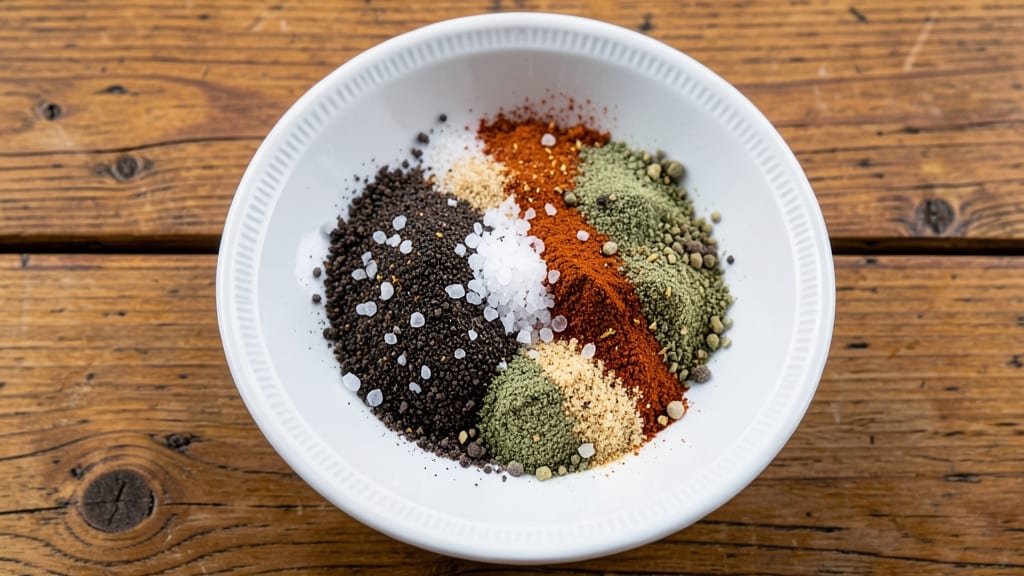
This rib eye steak seasoning recipe transforms your backyard grill into a steakhouse with just a few simple ingredients and precise measurements.
The key to achieving that coveted crust lies in the balance of coarse kosher salt, freshly cracked black pepper, and aromatic spices that enhance rather than overpower the natural beef flavor. I developed this blend after years of experimenting with commercial rubs that never quite delivered the depth I wanted.
The secret weapon in this dry rub is a combination of smoked paprika and garlic powder, which adds subtle smokiness and savory notes without dominating the steak's inherent richness. A touch of onion powder rounds out the flavor profile, creating layers that develop as the steak cooks.
What sets this blend apart is its simplicity—just six ingredients, yet each plays a crucial role in building that restaurant-quality crust.
To use, simply mix the dry rub with a light coating of oil to create a paste, then generously coat both sides of your rib eye before grilling. The result is a steak with a deeply flavorful, caramelized crust that locks in juices and delivers melt-in-your-mouth tenderness.
This seasoning works equally well for pan-searing or smoking, making it versatile for any cooking method.
Make a batch and store it in an airtight container for up to three months—it's the perfect way to elevate every rib eye you grill. The blend is foolproof, delivering consistent results that will impress even the most discerning steak lovers. Let's get started with this game-changing seasoning.
Ingredients for rib eye steak seasoning
Six ingredients, one unforgettable crust. The secret to steakhouse-worthy rib eye starts right here.
| Ingredient | Amount | Notes |
|---|---|---|
| Coarse Kosher Salt 🧂 | 3 tbsp | Diamond Crystal preferred for texture |
| Freshly Ground Black Pepper 🌶️ | 2 tbsp | Cracked from whole peppercorns |
| Smoked Paprika 🌶️ | 1 ½ tbsp | High-quality Spanish smoked |
| Garlic Powder 🧄 | 1 tbsp | Freshly ground preferred |
| Onion Powder 🧅 | 1 tbsp | No added MSG |
| Ground Coriander 🌿 | ½ tbsp | Adds subtle citrus brightness |
The kosher salt is non-negotiable—Diamond Crystal has that perfect coarse texture that clings beautifully to the steak. Whole Foods or specialty spice shops carry the best quality, but the bulk bins at Trader Joe's work too if you're on a budget. Freshly cracked black pepper is where the magic happens—pre-ground loses potency fast. I always buy whole peppercorns and grind them myself right before mixing. The smoked paprika? Spanish is the gold standard—it's got that deep, smoky character without tasting like a campfire. Skip the 'hot' varieties unless you want to overpower the beef's natural flavor.
No smoked paprika? Substitute half the amount with regular paprika plus a pinch of liquid smoke—just don't go overboard. Running out of coriander? Extra garlic powder at double the amount gets you close, though it'll be more savory than citrusy. The onion powder can be swapped for asafetida powder at one-third the amount if you're feeling adventurous (it's umami bomb). For a sweeter touch, add ½ tsp brown sugar, but I prefer the pure beef-forward flavor this blend delivers. Store-bought rubs? Please don't—they're full of anti-caking agents and way too much salt.
This blend keeps indefinitely in an airtight container—I've had mine last for over a year. The spices stay vibrant if you keep them in a cool, dark place, away from the stove. For extra protection, add a silica gel packet to the container. Make a big batch—you'll want this on hand for every rib eye you grill. Three months is the sweet spot for freshness, but I've used mine up to six months out with no issues. The key is to keep it dry—moisture is the enemy of long-term storage.
Why You'll Love This Recipe
- Five-Ingredient Magic: I swear by this mix—just salt, pepper, smoked paprika, and those two powders. No fancy tools, no stress, and it turns even a basic rib eye into something restaurant-worthy. The smoked paprika alone gives it that smoky depth without needing a grill.
- Crispy Edge, Juicy Core: That coarse kosher salt isn’t just for flavor—it creates the perfect crust while keeping the inside tender. The garlic and onion powders? They seep into the steak like a secret handshake, making every bite taste like it’s been kissed by a campfire.
- Date Night or Tuesday: Honestly, this seasoning works for everything. A quick sear for a busy weeknight? Check. A fancy dinner with wine? Still check. Even my picky teenage nephew doesn’t complain when it’s on his steak—(yes, even on a Tuesday night).
- Lasts Forever, Costs Nothing: I make a big batch and keep it in a jar. A little goes a long way, and since it’s just pantry staples, it’s cheaper than pre-made blends. Plus, the leftovers? Perfect for seasoning burgers, roasted potatoes, or even eggs—no waste, all flavor.
Step-by-step instructions for rib eye steak seasoning
This bold dry rub delivers that coveted steakhouse crust with just six essential ingredients.
Measure Ingredients Precisely
Start by gathering all your ingredients in a medium bowl. I like to use a fine-mesh strainer for the 3 tablespoons coarse kosher salt to ensure even distribution—those larger crystals create better texture than table salt. The 2 tablespoons freshly ground black pepper should be cracked from whole peppercorns for maximum flavor intensity, not pre-ground powder.
Add the 1.5 tablespoons smoked paprika next—this is where the deep, smoky character comes from. I recommend Spanish smoked paprika for its rich, slightly sweet undertones that complement the rib eye's natural beefy flavor. The remaining ingredients—1 tablespoon garlic powder, 1 tablespoon onion powder, and 0.5 tablespoon ground coriander—complete the aromatic foundation.
Whisk Until Uniformly Combined
Using a whisk or small fork, combine all ingredients in the bowl. I prefer a whisk because it creates a fine, even distribution without creating lumps. Work vigorously for about 2 minutes until the mixture takes on a consistent color—deep brown from the smoked paprika, with visible flecks of pepper and salt crystals.
This thorough mixing ensures every grain of salt and pepper gets coated with the aromatic spices. If you notice any dry spots or uneven coloration, give it another 30 seconds of mixing. The goal is uniformity so every application delivers the same bold flavor profile.
Test the Rub on Your Rib Eye
Pat your rib eye completely dry with paper towels—this is critical for maximum crust development. Using your hands, generously coat all sides of the steak with the dry rub, pressing firmly so it adheres. I like to work in layers: apply half the rub, let it sit for 5 minutes, then apply the remaining half. This ensures deep penetration without overwhelming the meat's natural flavor.
For best results, allow the seasoned steak to sit at room temperature for 30-60 minutes before cooking. This resting period lets the rub penetrate slightly and the meat come to temperature more evenly. The surface should look uniformly coated with no bare spots—this is your visual cue that it's ready for the heat.
Store for Future Use
Transfer any unused rub to an airtight container. I prefer glass jars with tight-sealing lids to maintain freshness. Store in a cool, dark place for up to 3 months, or refrigerate for up to 6 months for maximum potency. The smoked paprika and ground spices will gradually lose their vibrant color over time, but the flavor remains strong.
For best results, shake the container vigorously before each use to redistribute any settled spices. This ensures consistent flavor application every time you season a steak. The rub works beautifully on other proteins too—think pork chops, lamb chops, or even roasted vegetables for a savory crust.
Pro Tips For Making Rib Eye Steak Seasoning
- Pre-Grind the Pepper: I used to dump pre-ground pepper straight from the jar, and it always tasted dull. Now I grind my own black pepper right before seasoning—freshly cracked pepper makes a real difference. A quick 10-second pulse in a grinder does the trick, and it’s worth the effort.
- Salt First, Then Paprika: Smoked paprika sticks to wet surfaces like glue, so I salt the steak first and let it sit for 10 minutes. Only then do I add the paprika mix—this keeps the seasoning even and prevents clumping. (Yes, even if you’re impatient like me.)
- Skip the Onion Powder: I learned this the hard way—onion powder can turn bitter when heated. If you’re using it, add it after cooking or swap for a pinch of fresh onion powder right before serving. The flavor’s brighter, and you won’t get that weird aftertaste.
- Toast the Paprika: Dry-toast your smoked paprika in a small pan over low heat for 30 seconds—just until you smell its depth. It removes bitterness and intensifies the smoky flavor. (Does it look weird? Yes. Does it work? Every single time.)
Flavor customization for this recipe
Classic Smoky Heat
For a traditional steakhouse experience, stick with the original blend but amplify the smokiness by adding ½ teaspoon of chipotle powder to the smoked paprika. This adds a subtle, smoldering heat that pairs perfectly with the rib eye's richness.
I find this version works exceptionally well when grilling over hickory or applewood chips—the natural smoke from the wood complements the chipotle's earthy notes. 🌶️
Herb-Infused Elegance
Swap out the coriander for 1 teaspoon of dried rosemary and ½ teaspoon of dried thyme, then reduce the garlic powder to ½ tablespoon. This Mediterranean-inspired twist adds an aromatic, earthy depth that elevates the steak to gourmet levels.
Freshly chopped rosemary stems make a stunning garnish, and the thyme's floral notes balance the saltiness beautifully. Perfect for a special dinner where you want to impress.
Sweet & Spicy Kick
Add 1 teaspoon of brown sugar and ½ teaspoon of cayenne pepper to the original blend for a sweet-spicy contrast that's irresistible. The brown sugar caramelizes during cooking, creating a glossy, sticky crust that's both sweet and slightly fiery.
I recommend using this variation for reverse-seared steaks where you can control the cooking time more precisely. A squeeze of lime juice after cooking adds brightness to cut through the heat.
Umami Bomb
For a deeper, savory profile, replace the onion powder with 1 teaspoon of fish sauce powder (or ½ teaspoon of fish sauce mixed with ½ teaspoon of sugar to dry it). Add ½ teaspoon of msg powder for an extra umami punch—this is a secret weapon in many high-end steakhouses.
The result is a steak with an almost addictive richness that pairs perfectly with soy-ginger glaze on the side. 💡
Citrus-Zested Brightness
Brighten up the rub with 1 teaspoon of lemon zest and reduce the coriander to ¼ teaspoon. The citrus zest adds a refreshing, almost floral note that cuts through the richness of the beef.
This variation works exceptionally well with grilled citrus slices on the side, like grapefruit or blood orange. I love using this for spring and summer grilling when you want something lighter but still bold.
Spicy Coffee Rub
For a bold, almost coffee-like depth, add 1 teaspoon of instant coffee granules and ½ teaspoon of cinnamon to the original blend. The coffee grounds add a subtle bitterness that enhances the smokiness, while the cinnamon adds warmth.
This rub is perfect for thick-cut rib eyes cooked over mesquite or pecan wood—the charred, coffee-like notes create a complex flavor profile that's hard to resist. 🔥
Nutrition facts
Frequently asked questions
Can I use this seasoning on other cuts of beef?
This rib eye seasoning works beautifully on New York strip, filet mignon, and even thick-cut sirloin. The balance of salt, pepper, and spices enhances any premium cut. For leaner cuts like flank steak, reduce the smoked paprika to 1 tablespoon to avoid overpowering the natural flavor.
How do I adjust the seasoning for a thicker steak?
For steaks over 1.5 inches thick, increase the rub by 25-30% (about 1 extra tablespoon per side) to ensure flavor penetration. The extra rub helps create a stronger crust and prevents uneven seasoning. Apply in layers with 5-minute rests between applications for best results.
What’s the best way to store leftover seasoning?
Keep unused seasoning in an airtight glass container in a cool, dark place for up to 3 months. For longer storage, refrigerate for 6 months or freeze for 1 year. Always shake before use to redistribute spices evenly. A silica gel packet helps absorb moisture and preserve freshness.
Can I make this seasoning spicier?
Yes! Add ½ teaspoon cayenne pepper or 1 teaspoon crushed red pepper flakes for heat. For a smoky kick, swap ½ teaspoon smoked paprika with ½ teaspoon chipotle powder. Always taste-test small amounts first—spice levels vary by brand.
Why does my crust keep falling off?
This usually happens if the steak isn’t completely dry before seasoning or if the rub isn’t applied thickly enough. Pat the steak thoroughly with paper towels, then press the rub firmly into the surface. For extra adhesion, let the seasoned steak rest for 30-60 minutes before cooking to help the rub bind.