
Breakfast & Brunch
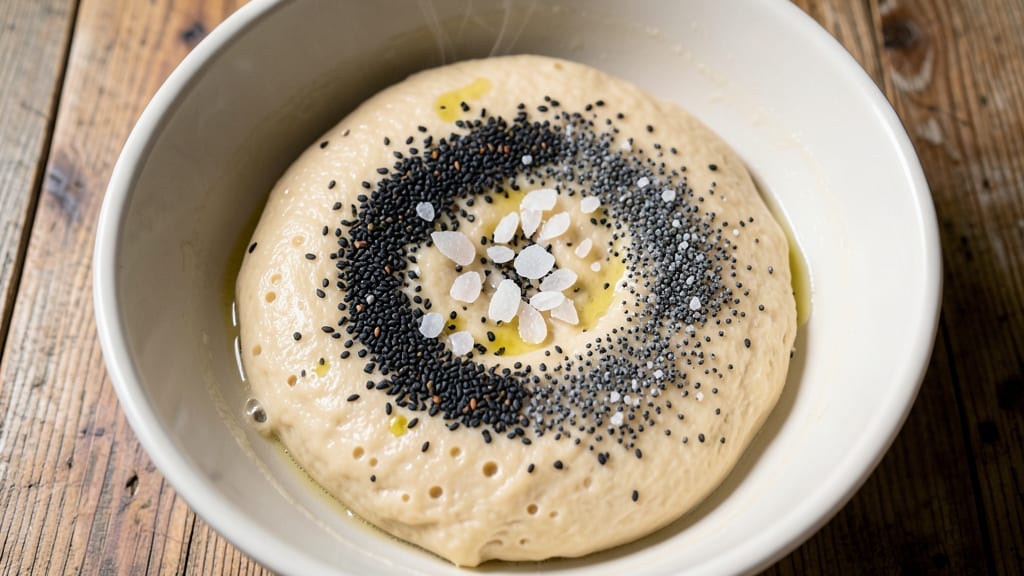
Making soft bagels at home reveals the secret to chewy perfection that store-bought versions can't match. Standing on a step stool in my grandmother’s kitchen in Sicily, I learned how boiling and baking transform simple dough into something extraordinary.
The key lies in precise hydration, a gentle boil, and patient proofing—each step carefully timed to create that signature tender interior and crispy exterior.
This recipe delivers restaurant-quality bagels in just 24 hours, with no special equipment beyond a large pot and baking sheet. The dough comes together with 5 ingredients and develops flavor as it rests overnight, while the boiling step ensures that signature chewiness.
Whether you're a beginner or a seasoned baker, these bagels will become your go-to breakfast staple.
By the time they emerge from the oven, you'll have perfectly chewy bagels with a golden crust and a soft, pillowy center. The secret is in the boiling process—it's what gives them that irresistible texture.
Top with sesame seeds, poppy seeds, or leave them plain for a classic touch. These bagels pair beautifully with cream cheese, smoked salmon, or even just butter and jam.
Let's get started on your journey to making the perfect soft bagels at home—every bite will remind you why homemade is always better.
Ingredients for soft bagels
Five simple ingredients transform into chewy, golden bagels with a tender bite.
| Ingredient | Amount | Notes |
|---|---|---|
| All-Purpose Flour 🌾 | 4 ½ cups | High-protein preferred for chewiness |
| Active Dry Yeast 🍞 | ¼ oz | Or 2.25 tsp (1 packet) |
| Granulated Sugar 🍚 | ¼ cup | Feeds the yeast |
| Salt 🧂 | 1 ½ tsp | Diamond Crystal preferred |
| Water 💧 | 1 ½ cups | Warm (110°F) |
| Toppings (Sesame Seeds, Poppy Seeds, etc.) 🌻 | ½ cup | Optional, for finishing |
| Baking Soda 🍚 | 2 tsp | For boiling water |
The flour is non-negotiable here—King Arthur or Bread Flour give the best chew. If you're using all-purpose, add 1 tbsp vital wheat gluten for that authentic texture. The yeast? Fresh is better (check the date—it should be within 4 months), but instant works too. For the sugar, white granulated is fine, but brown adds subtle depth. My go-to spot for flour is Whole Foods, but any reputable grocery store carries good brands. Pro tip: measure flour by weight if you can—450g total—for consistency.
No sesame seeds? Poppy seeds or everything bagel seasoning work just as well. Short on sugar? Honey at half the amount gives a different flavor profile. The baking soda is key—it helps create that signature chew when the bagels boil. If you're making a big batch, double the recipe—the dough keeps beautifully overnight. For the water, warm but not hot (you should be able to touch it comfortably). Too hot and you'll kill the yeast. The salt? Diamond Crystal is less processed and dissolves better than table salt.
This dough is best made the night before—it develops flavor as it rests. Store it in an airtight container in the fridge for up to 24 hours. The boiled bagels? Keep them covered on a wire rack for 2 hours before baking to let them dry slightly. Once baked, they reheat beautifully—wrap in foil and warm in a 350°F oven for 5-10 minutes. Freeze extras on a tray first, then transfer to a bag for up to 3 months. Perfect for breakfast all week.
Why You'll Love This Recipe
- No-Knead Magic: I swear by this dough—just mix, rest, and shape. No stand mixer, no fancy techniques, just a bowl and a little patience (which, let’s be honest, we all have when the yeast does the work).
- Chewy Heaven: That balance of sugar and salt? It’s what makes these bagels irresistible—soft inside, just a hint of chew, and a subtle sweetness that pairs perfectly with cream cheese or everything bagel seasoning.
- Breakfast to Brunch: Honestly, these are my go-to for lazy mornings, weekend brunches, or even a quick snack. Toast them with butter and jam, or serve them warm with smoked salmon—no rules, just deliciousness.
- Budget-Friendly Staple: Five ingredients, endless possibilities. Make a batch on Sunday, freeze extras, and you’ve got a cheap, filling side for weeks. My wallet and my taste buds thank me.
Step-by-step instructions for soft bagels
Here's how to make bagels with that signature chewy texture and perfect boil-bake balance.
Activate the Yeast for Maximum Rise
In a small bowl, combine the 1.5 cups warm water (about 110°F) with the 0.25 cup granulated sugar and 0.25 oz active dry yeast. Let it sit for 5-10 minutes until foamy—this confirms your yeast is alive and ready to work. You'll see bubbles forming and the mixture expanding slightly.
If the yeast doesn't activate, your bagels will be dense. I always double-check the water temperature with a thermometer—too hot kills yeast, too cold makes it sluggish. Once properly activated, this mixture will give your bagels that light, airy interior we all love.
Mix the Dough Until Smooth and Elastic
In a large bowl, whisk together the 4.5 cups all-purpose flour and 1.5 tsp salt. Create a well in the center and pour in the yeast mixture. Using a wooden spoon, stir until a shaggy dough forms, then turn it out onto a lightly floured surface.
Knead the dough for 8-10 minutes until smooth and elastic. You'll know it's ready when it springs back slowly when poked. I press down gently with my knuckle—if it leaves a slight indentation that doesn't fill back immediately, it's perfect. This kneading develops gluten, which gives bagels their signature chew.
First Rise for Flavor Development
Shape the dough into a ball, place it back in the bowl, and cover with a damp towel. Let it rise in a warm place for 1-1.5 hours until doubled in size. You'll see the dough puff up noticeably and feel light when pressed gently.
This first rise is crucial for flavor development. The yeast works its magic, breaking down sugars and creating those beautiful air pockets. I always place my bowl near the oven with the light on—it creates a warm, consistent environment without overheating.
Shape and Boil for Perfect Texture
Punch down the risen dough and divide it into 6 equal pieces (about 6 oz each). Roll each piece into a 6-inch circle, then shape into bagels by joining the ends and pressing gently to seal. Create a hole about 1.5 inches wide in the center.
Bring a large pot of water to a boil and dissolve the 2 tsp baking soda in it. This alkaline water creates that beautiful brown crust and chewy texture. Boil the bagels in batches for 1 minute per side, turning carefully with tongs. They're ready when they float—this ensures they're fully cooked through the boiling process.
Bake Until Golden and Crisp
Preheat your oven to 425°F with a baking sheet inside. While it heats, place the boiled bagels on a floured surface and sprinkle with your choice of toppings—sesame seeds, poppy seeds, or even everything bagel seasoning. Bake for 20-25 minutes until golden brown and crisp on the outside.
For extra browning, I like to broil for 1-2 minutes at the end, watching closely to avoid burning. The bagels should sound hollow when tapped on the bottom. Let them cool on a wire rack for 10 minutes before serving—this prevents them from getting soggy.
Pro Tips For Making Soft Bagels
- USE LUKEWARM WATER: I learned this the hard way—yeast is picky. Water that’s too hot kills it instantly, too cold and it won’t activate. Fill a bowl with water, let it sit for 5 minutes after boiling, then check: it should feel like a warm bath, not a sauna or an ice bath. Trust the temperature gauge, not your guess.
- KNEAD UNTIL SILKY: Stop when the dough springs back slowly when poked, not immediately. I used to overwork it, thinking more kneading = better texture, but soft bagels need that tender, almost sticky give. Wet your hands and keep the surface lightly floured—this isn’t a workout for the dough, it’s a massage.
- BOIL IN BATCHES: Crowding the pot lowers the water temp, and lukewarm water won’t set that perfect chewy crust. Drop in 2-3 bagels at a time, give them 1 minute per side, and resist the urge to stack them. A cramped pot = soggy bottoms, and nobody wants that.
- SALT THE WATER: Yes, even if your dough’s already salted. A pinch in the boiling water (about ½ teaspoon per gallon) adds a subtle depth to the crust. I was skeptical until I tried it—now it’s non-negotiable. Just don’t go overboard, or you’ll end up with a salty surprise in every bite.
Make-ahead tips for leftovers
Overnight Dough Prep
I always make my bagel dough the night before—it develops incredible flavor as it rests. After the first rise, divide the dough into 6 equal balls and place them in a lightly greased bowl. Cover tightly with plastic wrap and refrigerate for 12-24 hours.
This cold fermentation enhances the chewiness and depth of flavor. The next morning, you'll have perfectly shaped bagels ready to boil and bake without any extra work. 🌙
Freezing for Later Use
Bagels freeze beautifully at any stage—raw, boiled, or baked. For maximum freshness, freeze the shaped bagels (after boiling but before baking) on a floured tray until solid, then transfer to a ziplock bag for up to 3 months.
To bake from frozen, simply skip the boil step and bake directly from frozen at 425°F for 25-30 minutes, adding 5 minutes to the baking time. I like to freeze extras in portions so I can grab one for a quick breakfast without thawing.
Boiling in Advance
You can boil the bagels up to 24 hours ahead and store them in the fridge. After boiling, let them cool completely on a wire rack, then wrap individually in parchment paper and refrigerate. When ready to bake, simply unwrap and bake as directed.
This is perfect for meal prep—just pop them in the oven when you're ready for breakfast. The texture stays chewy when reheated this way, unlike when microwaved. ⏰
Baking from Frozen
If you're short on time, bake directly from frozen—no boiling required. Place frozen bagels on a baking sheet and bake at 425°F for 30-35 minutes, flipping halfway through. The baking soda in the dough helps create that signature chew even without the boil.
I find this method works best for plain bagels without toppings, as seeds can burn more easily. These frozen bagels reheat beautifully in a toaster or oven for a fresh-tasting breakfast.
Reheating Perfection
For the best results, reheat bagels wrapped in a damp paper towel in the microwave for 20-30 seconds or in a 350°F oven for 5-10 minutes. The steam keeps them soft and chewy.
I avoid the toaster for bagels with toppings—it can burn the seeds while leaving the interior dry. A quick oven warm-up is my go-to method for maintaining that perfect texture. Store reheated bagels in an airtight container for up to 3 days—they taste almost as good as fresh!
Nutrition facts
Frequently asked questions
Why do bagels need to boil before baking?
The boiling step is what creates that signature chewy texture and golden crust! The alkaline water (from baking soda) helps develop the bagels' signature color and chewiness while the steam creates a perfect oven-ready surface. Without boiling, you'll get more of a bread-like texture rather than that classic bagel bite.
Can I make these bagels without a stand mixer?
This dough only requires 8-10 minutes of hand-kneading on a lightly floured surface. Use the "windowpane test" - stretch a small piece of dough until you can see light through it. If it doesn't tear, your dough is ready. The elbow grease develops the gluten that gives bagels their signature chew.
How do I fix bagels that didn't rise properly?
If your bagels are dense, check your yeast first - it may have been old or the water too hot/cold. For future batches, try letting the dough rise 30 minutes longer or in a warmer spot (like near your oven with the light on). You can also try adding 1/4 tsp more yeast to the recipe next time. The overnight cold fermentation helps compensate for any weak rise.
What's the best way to store homemade bagels?
Keep them fresh by storing in an airtight container at room temperature for 2-3 days. For longer storage, freeze boiled (unbaked) bagels on a tray, then transfer to a bag for up to 3 months. To reheat, wrap in a damp towel and microwave for 20 seconds or bake at 350°F for 5 minutes to restore that perfect chewy texture.
Can I make mini bagels with this recipe?
Yes! Divide the dough into 12 smaller pieces (about 3 oz each) and shape them into mini bagels. Boil for 45 seconds per side and bake at 425°F for 15-18 minutes. They're perfect for appetizers or kid-friendly portions. The same ratio works - just adjust the size and cooking time proportionally.