
Side Dishes
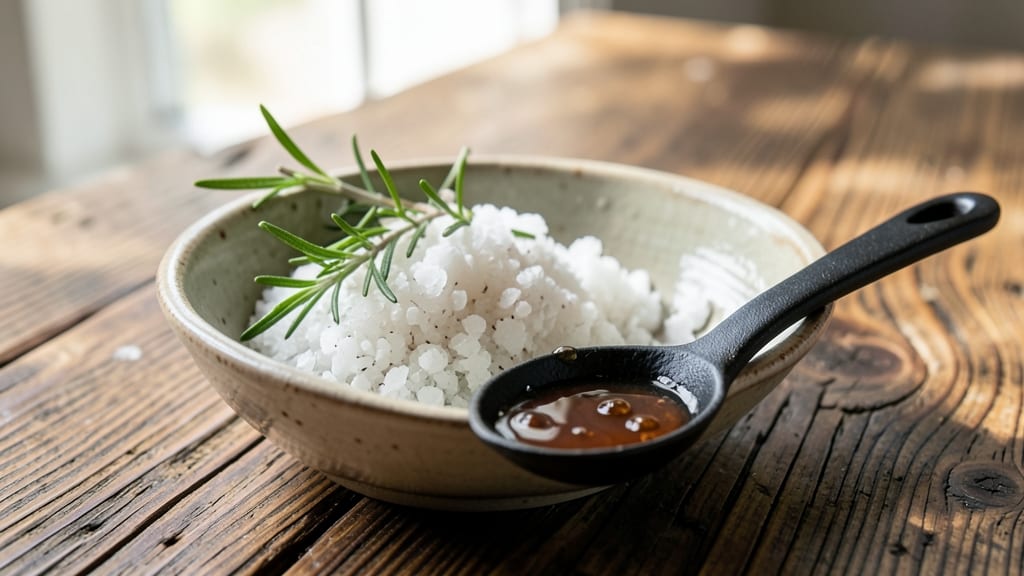
This Amish Country Bread recipe brings the comforting aroma of a Pennsylvania farmhouse kitchen straight to your oven, with its signature golden crust and tender crumb that crumbles just enough to soak up gravy or butter.
The secret lies in a simple dough enriched with just enough fat to create that signature flaky texture, while a touch of honey swirled through the center adds subtle sweetness that balances the hearty flavor.
I first tried this recipe during a visit to an Amish community, where the women baked loaves that fed families for days—this version stays true to that tradition while adapting to modern kitchens.
The beauty of this bread lies in its foolproof method—no fancy equipment, no complicated steps, just a few ingredients and patience. The dough requires a single rise, making it perfect for busy weeknights, and the honey swirl adds a touch of elegance without requiring extra effort.
What makes it truly special is how the crust develops a deep golden-brown color while the interior remains soft and slightly chewy, just like the bread you'd find at an Amish family gathering.
By the time it emerges from the oven, you'll have a loaf with a crisp exterior that shatters when broken open, revealing a tender crumb with those signature honey swirls peeking through.
The aroma alone will have everyone gathering around your table, and each slice will taste like a piece of rural tradition. This bread pairs perfectly with soups, stews, or even on its own with a pat of butter—it's the kind of homestyle comfort that turns ordinary meals into something memorable.
For those who want to experiment, you can easily adapt this recipe by substituting whole wheat flour for half the all-purpose, or adding cinnamon to the honey swirl for extra warmth.
The beauty of this bread is in its versatility—whether you stick to the classic version or make it your own, the result will always be a loaf that feels like coming home. Let's get started on baking this timeless recipe.
Ingredients for amish country bread
Just nine ingredients transform your kitchen into an Amish farmhouse bakery.
| Ingredient | Amount | Notes |
|---|---|---|
| All-Purpose Flour 🌾 | 5 cups | Sifted for light texture |
| Active Dry Yeast 🍞 | 2 ¼ tsp | 1 packet or single-use |
| Warm Water 💧 | 1 ¼ cups | 110°F for yeast activation |
| Granulated Sugar 🍚 | 1 tbsp | For yeast feeding |
| Unsalted Butter 🧈 | ½ cup | Cold, cubed for flakiness |
| Sea Salt 🧂 | 1 ½ tsp | Fine grain preferred |
| Honey 🍯 | ¼ cup | Wildflower for floral notes |
| Large Egg 🥚 | 1 whole | Room temperature |
| Whole Milk 🥛 | ¼ cup | Full-fat for richness |
The flour is your foundation—King Arthur or Gold Medal are my go-tos for that perfect crumb. If you're near a Whole Foods or local mill, grab stone-ground flour for extra rustic flavor, but all-purpose works beautifully too. The butter? Cold cubes create those signature flaky layers—don't let it soften! For the honey, local wildflower adds depth, but any pure honey will work. I always double-check the yeast expiration date (it's printed right on the packet)—old yeast means weak dough. Store your flour in the freezer if you notice any off smells—it keeps fresh for years that way.
No honey? Maple syrup works 1:1, though it's heavier. Short on butter? Lard or shortening keeps the flakiness, but butter's flavor wins. The milk can be swapped for buttermilk or heavy cream—both add richness. If you're gluten-sensitive, Bob's Red Mill 1-to-1 gluten-free flour works (but texture will differ). For the honey swirl, cinnamon or vanilla extract can join the party—just mix it into the honey before swirling. And if your kitchen's too hot for yeast, try instant yeast (use half the amount) or proof it in the top of the fridge overnight.
This dough needs 1-2 hours to rise—don't rush it! Cover it with a damp towel so it doesn't dry out. The honey swirl keeps for 3 days in the fridge if sealed tightly, but trust me, it won't last that long. For leftovers, toast until crispy—that's when it's magic. Freeze the dough before shaping for up to 3 months—thaw overnight in the fridge before baking. And if you make extras? Gift them in jars. Amish neighbors would approve.
Why You'll Love This Recipe
- No-Knead Magic: I swear by this recipe—just mix, let it rise, and bake. No stand mixer, no fancy techniques, just a bowl and your hands. That warm butter melting into the dough? Pure, effortless joy.
- Buttery Comfort: The sugar and butter create this golden crust that cracks just enough to stay crisp. It’s not sweet, not savory—it’s that perfect in-between that makes you reach for another slice.
- Weeknight Hero: I bake a loaf on Sundays, then toast it all week. Perfect for breakfast, sandwiches, or even a quick soup side. Honestly, it’s the only bread I keep in the freezer—because nothing beats fresh bread at 8 AM.
- Pantry Staple: Five ingredients, no substitutions needed. The yeast does all the work, and the flour? You already have it. Between us, I’ve made this for potlucks, church dinners, and lazy afternoons—it’s the bread that does it all.
Step-by-step instructions for homestyle crust with golden honey swirls
This rustic bread delivers a tender crumb and those signature golden honey swirls you crave.
Activate the Yeast for Maximum Rise
In a small bowl, combine the 1.25 cups warm water (about 110°F—test by touching, it should feel warm but not hot to your wrist) with 1 tablespoon granulated sugar and 2.25 teaspoons active dry yeast. Let it sit for 5-10 minutes until foamy. This step ensures your bread rises properly and develops that light, airy texture.
I like to use a glass measuring cup for this so I can easily see the foam forming. If it doesn’t bubble within 10 minutes, your yeast might be dead—start over with fresh yeast. Once it’s active, proceed quickly to keep the yeast happy.
Mix the Dough Until Just Combined
In a large mixing bowl, whisk together 5 cups all-purpose flour and 1.5 teaspoons sea salt. Make a well in the center and pour in the yeast mixture, 1 whole large egg, and 0.25 cup whole milk. Use a wooden spoon to stir until a shaggy dough forms—don’t overwork it yet.
Once the dough starts coming together, add the 0.5 cup cold unsalted butter, cut into small cubes. Use your hands to gently knead the butter into the dough until fully incorporated. The butter should be cold to create those beautiful flaky layers later.
Knead the Dough for Elasticity
Turn the dough onto a lightly floured surface and knead for 8-10 minutes until smooth and elastic. You’ll know it’s ready when it springs back slowly when poked. I like to use a dough scraper to keep the surface clean and prevent sticking.
If the dough feels too sticky, add 1 tablespoon flour at a time until it’s manageable. Shape it into a ball, place it back in the bowl, and cover with a damp towel. Let it rise in a warm place for 1-1.5 hours, or until doubled in size. This resting time allows the gluten to relax and the dough to develop flavor.
Shape and Add the Honey Swirls
Punch down the risen dough and divide it into 4 equal pieces. Roll each piece into a 12-inch log and place them side by side in a 9x13-inch baking dish. Press gently to seal the seams—this ensures the bread holds its shape while baking.
In a small bowl, mix 0.25 cup honey with 1 tablespoon warm water until smooth. Using a spoon or piping bag, drizzle the honey mixture in 4 lines down the center of the dough logs, spacing them evenly. Gently press the edges of the dough inward to create those classic swirls.
Bake Until Golden and Fragrant
Preheat your oven to 375°F. Bake the bread for 35-40 minutes until the top is deep golden brown and the swirls are caramelized. The bread should sound hollow when tapped on the bottom.
For extra crispiness, brush the top with a little whole milk right before baking. Let the bread cool in the pan for 10 minutes, then transfer to a wire rack. Slice while still warm for the best texture—those honey swirls should be gooey and golden, not dry.
Pro Tips For Making Amish Country Bread
- Test Your Yeast First: Skip the guesswork—mix 1 packet yeast with ¼ cup warm water and 1 tsp sugar. If it doesn’t bubble within 10 minutes, toss it and start fresh. I learned this the hard way after baking a dense brick of bread because my "fresh" yeast was actually expired.
- Cut Butter into Flour: Don’t melt that butter—use a pastry cutter or your fingers to work cold cubes into the flour until pea-sized pieces remain. This keeps the bread tender without turning it greasy. (Yes, even if you’re impatient like me.)
- Don’t Over-Knead: Stop when the dough springs back slowly when poked—about 8-10 minutes by hand. Overworking it makes gluten tough, and your bread will turn out chewy instead of light. I used to think more kneading = better bread. Wrong.
- Use a Dutch Oven: If you don’t own one, a heavy pot with a lid works—just preheat it with the lid on for 10 minutes. This traps steam and gives you that perfect crust. My first attempt in a flimsy pan ended in a sad, flat loaf. (Your future self will thank you.)
Make-ahead tips for leftovers
Dough Prep Ahead
Mix the dough up to 24 hours ahead and let it rise in the fridge overnight for deeper flavor. Cover tightly with plastic wrap and store in an airtight container—this slow rise enhances the bread's complexity.
When ready to bake, let the dough sit at room temperature for 1 hour before shaping and adding honey swirls. 🌙
Honey Swirl Prep
Prepare the honey mixture the night before and store it in a small jar in the fridge. This saves time on baking day and ensures the honey stays fluid for easy swirling.
Mix ¼ cup honey with 1 tbsp warm water and keep it refrigerated until ready to use. The honey will thicken slightly but remains workable. 🍯
Freezer-Friendly Dough
Shape the dough into logs but skip the honey swirls—freeze them on a parchment-lined tray for 1 hour until solid. Transfer to a ziplock bag and freeze for up to 3 months.
Thaw overnight in the fridge, then add honey swirls before baking. This method works perfectly for meal prep. ❄️
Baked Bread Storage
Cool the bread completely before storing. Wrap individual slices in parchment paper and stack them in an airtight container with a slice of bread between each layer to prevent sticking.
Store at room temperature for 3 days or freeze for up to 3 months. Toast frozen slices directly from the freezer for maximum crispiness. 💡
Reviving Stale Bread
If your bread loses freshness, revive it by wrapping in a damp towel and microwaving for 10-15 seconds. The steam softens the crumb while keeping the crust intact.
For extra crispiness, brush with whole milk and bake at 350°F for 5 minutes. This trick works wonders for leftovers. 🔥
Gift-Worthy Packaging
Slice the bread while warm and package it in amber glass jars lined with parchment paper. Tie a ribbon around the lid and add a handwritten note for a thoughtful gift. The bread stays fresh for 5 days in jars, making it perfect for sharing with neighbors or coworkers. 🎁
Nutrition facts
Frequently asked questions
Why does Amish country bread have honey swirls?
The honey swirls add subtle sweetness and moisture that balances the bread's hearty flavor while creating those signature golden caramelized streaks. This tradition came from Amish communities where honey was a staple sweetener—it also helps keep the bread tender longer by preventing drying out.
Can I make this bread without a 9x13-inch pan?
Yes! Use a loaf pan for a single long loaf (reduce baking time to 25-30 minutes) or divide the dough into 4 individual rolls baked on a parchment-lined sheet for 15-18 minutes. The honey swirls will still form beautifully—just adjust the quantity proportionally.
What if my dough doesn't rise properly?
Check your yeast first—it must be fresh (test by dissolving 1 tsp in ¼ cup warm water; it should bubble in 5 minutes). If the kitchen is cold, place the dough bowl on top of the fridge to create a warm environment. Never skip the 1-1.5 hour rise time—this is crucial for the bread's texture.
How do I know when the bread is fully baked?
The bread is done when it reaches an internal temperature of 190°F and the crust is deep golden brown. Tap the bottom—it should sound hollow. For extra assurance, insert a toothpick; it should come out clean or with just a few moist crumbs.
Can I substitute honey with something else?
Yes! Try maple syrup (1:1 ratio) for a richer flavor or molasses (reduce to 2 tbsp) for a deeper caramel note. For a savory version, omit the honey entirely and brush the bread with garlic butter after baking.