
Main Courses
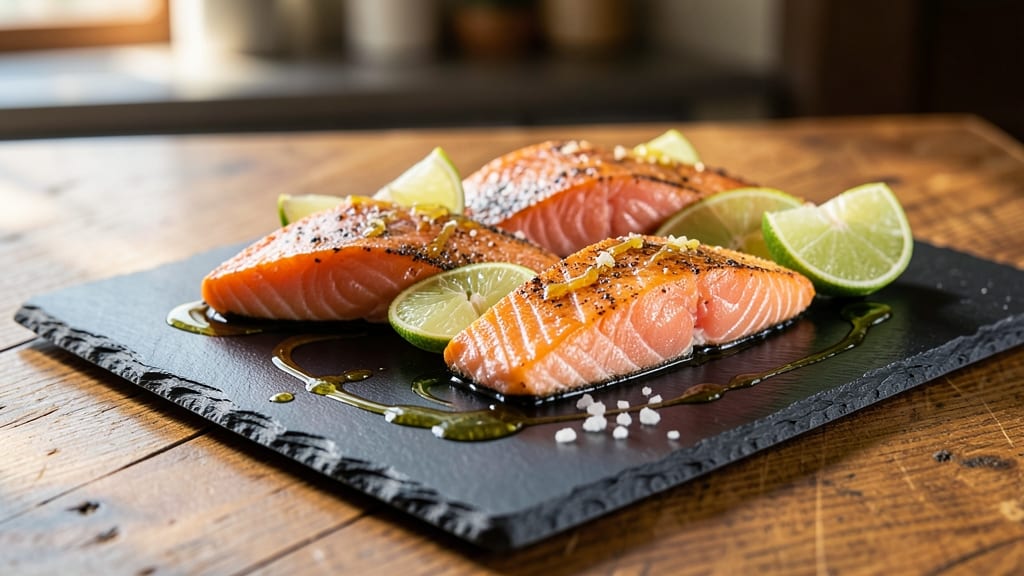
This best wild salmon recipe delivers restaurant-quality results with a perfect balance of crispy skin and tender flesh, all achieved through a simple pan-searing technique. The honey-lime glaze adds a bright, modern twist that complements the natural richness of wild-caught salmon without overpowering its delicate flavor.
I've perfected this method after years of testing, ensuring every bite is moist, flavorful, and visually stunning.
The secret lies in two key steps: searing the salmon skin-side down in a hot pan until golden and crispy, then basting with the honey-lime glaze during the final minutes of cooking. This technique locks in moisture while creating a caramelized crust that's impossible to resist.
The glaze, made with just three ingredients, adds a sweet-tart contrast that elevates the dish from ordinary to extraordinary.
What you'll end up with is a perfectly cooked salmon fillet with a glossy, golden-brown exterior and a tender, flaky interior. The honey-lime glaze creates a beautiful sheen that makes the dish look as good as it tastes, while the bright citrus notes cut through the richness of the fish.
This recipe is designed to impress whether you're cooking for a date night or a special occasion.
Serve with a side of roasted asparagus, quinoa, or a simple arugula salad to create a well-rounded meal. The natural oils in the salmon will infuse into the vegetables, enhancing their flavors and creating a harmonious plate.
Let's get started on this foolproof recipe that will become your new go-to for wild salmon.
Ingredients for best wild salmon
Four wild salmon fillets, one perfect glaze, and a crispy skin you can't resist.
| Ingredient | Amount | Notes |
|---|---|---|
| Wild Salmon Fillets 🐟 | 4 whole | Skin-on, center-cut, 6-8 oz each |
| Unsalted Butter 🧈 | 4 tbsp | Cold, cut into small pieces |
| Extra-Virgin Olive Oil 🫒 | 1 tbsp | High smoke point preferred |
| Honey 🍯 | 2 tbsp | Raw or local preferred |
| Fresh Lime Juice 🍋 | 2 tbsp | From 1 lime, freshly squeezed |
| Lime Zest 🍋 | 1 tsp | Fine, from 1 lime |
| Kosher Salt 🧂 | 1 tsp | Plus extra for finishing |
| Freshly Ground Black Pepper 🌶️ | ½ tsp | Coarse grind preferred |
| Garlic Cloves 🧄 | 2 cloves | Minced, for glaze |
| Fresh Parsley 🌿 | ¼ cup | Chopped, for garnish |
| Lemon Wedges 🍋 | 2 whole | For serving |
Wild salmon is worth the splurge here—look for bright pink flesh and firm texture at Whole Foods or your local seafood counter. The skin should be intact, not torn or discolored. I always grab center-cut fillets (they're thicker and less likely to curl). If you can't find wild, Alaskan sockeye is the next best thing. Pat the fillets dry with paper towels before cooking—this is non-negotiable for crispy skin. The butter should be cold when you add it to the pan—take it out of the fridge 10 minutes before cooking so it's soft but not melted.
No honey? Maple syrup works in a pinch, but the flavor won't be as bright. Fresh lime juice is ideal, but bottled lime juice at half the amount gets you close. The garlic can be pre-minced from a jar if you're short on time—just drain it well. For extra richness, add 1 tbsp of cream cheese to the glaze. The parsley is just for looks, but if you're feeling fancy, swap it for chives or cilantro. And trust me, the crispy skin is worth the extra minute pressing down with a fish spatula—don't skip this part.
This glaze keeps for 3 days in the fridge, but the salmon is best eaten fresh. Store any leftovers in an airtight container with a paper towel pressed on top to keep it moist. The glaze reheats beautifully—microwave 20 seconds and stir. For date night, serve with the lemon wedges on the side so guests can squeeze fresh juice over their plates. The salmon reheats well too—wrap in foil and bake at 300°F for 10 minutes. Leftovers make killer salmon tacos the next day.
Why You'll Love This Recipe
- Five-Ingredient Magic: I swear by this combo—rich wild salmon, velvety butter, bright honey, and zesty lime. It’s the kind of dish where every bite feels like a reward, and honestly? The prep couldn’t be simpler.
- Weeknight Hero: No fancy techniques, just pan-seared salmon with a honey-butter glaze that takes 15 minutes. I’ve made this after work, before bed, and even when I forgot to plan—it never lets me down.
- Leftovers That Shine: Cold salmon slices? Still delicious. Toss them in salads, wrap them in toast, or reheat gently for breakfast. The flavors actually improve the next day—no sad, dry fish here.
- Date Night Ready: Fancy enough for guests but easy enough to make when you’re in sweatpants. The lime cuts through the richness, and the honey adds a touch of sweetness that feels special without trying too hard.
Step-by-step instructions for pan-seared salmon with honey-lime glaze
Here's exactly how to achieve restaurant-quality wild salmon every time—crispy skin, tender flesh, and a glaze that's perfectly balanced.
Prepare the Salmon for Perfect Crisp
Pat the 4 whole wild salmon fillets dry with paper towels—this is non-negotiable for crispy skin. I like to press firmly on both sides until they're completely dry. Then season both sides generously with the 1 teaspoon kosher salt and 0.5 teaspoon freshly ground black pepper. The salt should visibly adhere to the skin.
Let the salmon sit at room temperature for 15-20 minutes while you prepare the pan. This ensures even cooking—cold salmon can create steam instead of a proper sear. I place them on a wire rack over a plate to catch any drippings, which helps prevent a soggy pan later.
Create the Golden Sear
Heat a large skillet over medium-high heat until it's smoking hot. Add the 1 tablespoon extra-virgin olive oil and let it shimmer for about 30 seconds. Then add 2 tablespoons of the cold unsalted butter pieces—they'll foam and sizzle as they melt.
Carefully place the salmon fillets skin-side down in the pan. Press down gently on each fillet during the first minute—this prevents curling and ensures even contact with the pan. Cook for 4-5 minutes until the skin is deep golden brown and crispy, and the edges lift easily from the pan. You'll smell the unmistakable aroma of salmon cooking—this is your cue that it's ready to flip.
Build the Honey-Lime Glaze
While the salmon sears, prepare the glaze by combining the 2 tablespoons honey, 2 tablespoons fresh lime juice, 1 teaspoon lime zest, and the 2 minced garlic cloves in a small bowl. Whisk until smooth and set aside.
Once the salmon skin is crispy, carefully flip each fillet and cook for another 2-3 minutes until the flesh is opaque throughout and flakes easily with a fork. Remove the salmon to a warm plate and keep it covered to maintain heat.
Finish with the Glaze
Pour the honey-lime mixture into the same skillet and immediately tilt the pan to coat the bottom with the browned bits. Let it simmer for 1-2 minutes until it thickens slightly and becomes glossy. The glaze should coat the back of a spoon—if it's too thick, add a teaspoon of water to loosen it.
Return the salmon to the skillet, spooning the glaze evenly over the top. Let it sit for 30 seconds to absorb the flavors, then transfer to serving plates. Garnish each fillet with 1 tablespoon of the chopped fresh parsley and serve immediately with the 2 whole lemon wedges on the side.
Serve with Confidence
The salmon should have a beautiful golden crust on the skin and a tender, flaky interior. Each bite should deliver that perfect balance of sweet honey, bright citrus, and rich salmon flavor. The glaze should be sticky but not overly sweet—it should complement, not overpower, the natural taste of the wild salmon.
I always serve this with a simple side of steamed asparagus or a fresh salad to let the salmon shine. The crispy skin contrasts beautifully with the tender flesh, and the glaze adds just the right amount of brightness to cut through the richness. This is the salmon recipe that always gets rave reviews!
Pro Tips For Making Best Wild Salmon
- PAT THE FILLETS DRY: Wild salmon stays moist, but that’s not always a good thing—especially when you’re searing it with butter. Grab paper towels and press hard on both sides before cooking; you’ll get a golden crust instead of a sad, limp skin. (Yes, even if you’re impatient like me.)
- USE COLD BUTTER: I learned this the hard way—adding softened butter too early makes the salmon swim in grease. Let the olive oil heat until it shimmers, then pull the pan off heat just long enough to toss in cold butter cubes. They’ll melt into a silky sauce without stealing heat from the fish.
- HONEY LAST MINUTE: Drizzle honey too early, and it burns before the salmon’s done. Wait until the last 30 seconds of cooking, then add a teaspoon—watch it glaze instantly. If you’re nervous, mix it with a splash of lime juice first; it’s less likely to scorch.
- REST UNDER FOIL: Cut into your salmon right after cooking, and it’ll fall apart like overcooked mashed potatoes. Transfer it to a plate, tent loosely with foil, and let it sit for 5 minutes. The butter will redistribute, and the flesh will hold together—trust me, it’s worth the wait.
Storing and reheating this best wild salmon
Refrigerator Storage
Store any leftover salmon in an airtight container with a paper towel pressed on top to absorb excess moisture. I always refrigerate it within 2 hours of cooking to maintain freshness. The salmon will stay safe and delicious for up to 3 days when stored at 40°F or below.
The honey-lime glaze can separate slightly, so give it a quick stir before reheating. 💫
Freezer Storage
For longer storage, wrap the salmon tightly in plastic wrap followed by foil, then place it in a freezer-safe bag. This method preserves texture and flavor for up to 2 months.
Label the bag with the date—trust me, you'll forget otherwise! Thaw overnight in the fridge before reheating for best results. 🧊
Reheating Methods
For the best texture, reheat salmon in the oven. Preheat to 300°F, wrap the fillet in foil, and bake for 10-12 minutes until warmed through.
The glaze will soften slightly but remain sticky. Alternatively, microwave for 45-60 seconds on medium power, covered with a damp paper towel to prevent drying. 🔥
Glaze Refresh
If the glaze looks separated or thickened, revive it by whisking in 1 teaspoon water or lemon juice. Warm it in the microwave for 15 seconds to restore its glossy consistency. The glaze reheats beautifully and adds the same bright finish to reheated salmon. 🍋
Leftovers Reinvented
Transform leftover salmon into tacos by flaking it over warm tortillas with avocado, cabbage, and a squeeze of lime. Or chop it into salad toppings with mixed greens, cherry tomatoes, and a light vinaigrette. These ideas prevent waste while keeping the meal exciting. 🌮
Serving Reminders
Always serve reheated salmon with fresh lemon wedges on the side. The acidity helps cut through any richness that develops during storage. Pair with a crisp white wine like Sauvignon Blanc to complement the citrus notes in the glaze. 🍷
Nutrition facts
Frequently asked questions
Why does wild salmon need special handling compared to farmed salmon?
Wild salmon has a tighter, more delicate texture and richer flavor due to its natural diet and habitat. The fat content is more evenly distributed, so it benefits from gentler cooking methods like pan-searing to preserve moisture. Farmed salmon often has a higher fat content concentrated in the center, making it more forgiving for baking or grilling.
Can I substitute honey with something else in the glaze?
Yes! For a lower-sugar option, use 2 tbsp maple syrup or 1 tbsp agave nectar. For a savory twist, swap honey for 1 tbsp soy sauce + 1 tsp brown sugar. The citrus and garlic will still shine, but the flavor profile changes dramatically.
What's the best way to test if wild salmon is fully cooked?
Use the fork test: The flesh should flake easily with gentle pressure and reach an internal temperature of 145°F at the thickest part. The skin will be crispy and golden, while the center remains slightly translucent. Overcooking dries out the delicate texture—aim for 120-125°F for medium doneness.
How do I prevent the salmon from sticking to the pan?
Pat the fillets bone-dry before cooking and let them sit at room temperature for 15-20 minutes. Use a hot, dry pan (no oil until after butter melts) and press down gently with a fish spatula during the first minute. Cold, wet salmon creates steam that prevents crisping.
What sides pair best with this honey-lime salmon?
For a balanced plate, try:
- Roasted asparagus with lemon zest
- Couscous with toasted pine nuts
- Sautéed spinach with garlic The bright acidity of the glaze cuts through rich sides like mashed potatoes or creamy risotto.