
Main Courses
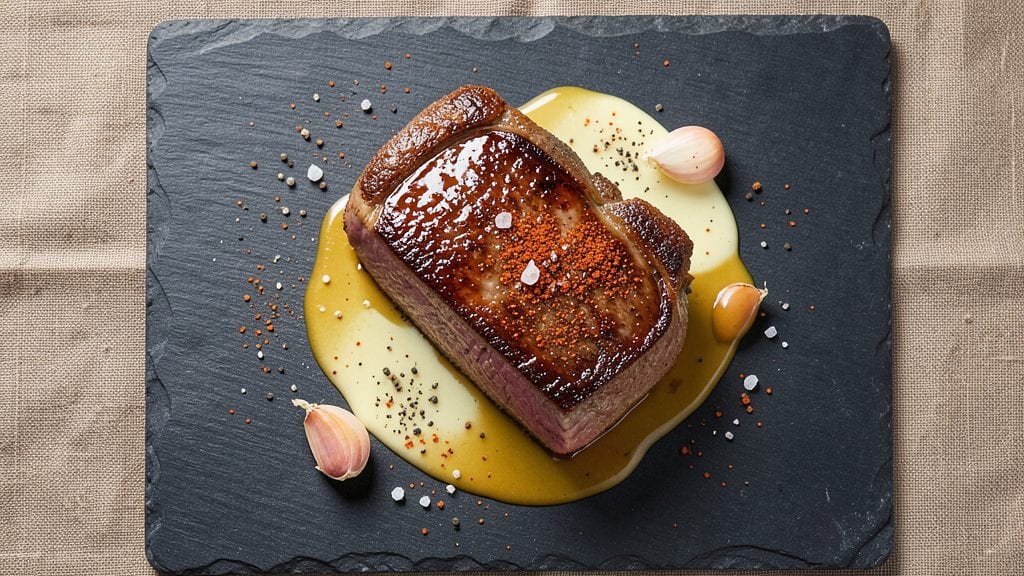
This cava steak recipe delivers a restaurant-worthy centerpiece with a smoky garlic butter crust and a juicy medium-rare heart—the kind of dish that transforms an ordinary dinner into an unforgettable experience.
I developed this method after years of perfecting the balance between sear and tenderness, ensuring every bite delivers rich, caramelized flavors without overpowering the natural beef taste. The secret lies in a precise cooking technique that creates a crispy exterior while keeping the interior perfectly pink and tender.
The recipe begins with a high-heat sear to lock in juices, followed by a garlic butter baste that infuses deep, aromatic flavors into the meat. For those who love luxury touches, a dollop of caviar adds a touch of sophistication—though this steak stands impressive on its own.
The sides are just as important: creamy mashed potatoes and a fresh arugula salad complement the steak’s bold flavors without competing for attention. This method is designed for foolproof results, whether you're grilling outdoors or cooking on the stovetop.
What you’ll achieve is a perfectly cooked steak with a crispy, smoky crust that gives way to tender, flavorful meat inside. The garlic butter adds a rich, savory depth that pairs beautifully with the caviar’s briny finish.
This dish is ideal for special occasions or when you want to impress guests with a restaurant-quality meal made at home. The recipe scales easily, so you can adjust the portion size for any gathering.
Pair this steak with a bold red wine like Cabernet Sauvignon to enhance the flavors, or serve it with a simple green salad for a lighter option. The key to success is patience—letting the steak rest before slicing ensures every bite stays juicy and delicious.
Ready to elevate your steak game? Let’s get started with this professional technique that delivers perfect results every time.
Ingredients for cava steak
Nine core ingredients plus a few luxury touches—this steak turns simple beef into a showstopper.
| Ingredient | Amount | Notes |
|---|---|---|
| Ribeye Steak 🥩 | 1 ½ lb | Center-cut, 1-inch thick, room temperature |
| Unsalted Butter 🧈 | ½ cup | Cold, cut into 1-inch pieces |
| Fresh Garlic Cloves 🧄 | 6 cloves | Minced, skinless |
| Smoked Paprika 🌶️ | 1 tbsp | For smoky depth |
| Diamond Crystal Kosher Salt 🧂 | 1 ½ tbsp | Fine grain, for seasoning |
| Freshly Ground Black Pepper 🌶️ | 1 tsp | Cracked, not pre-ground |
| Extra-Virgin Olive Oil 🫒 | 2 tbsp | High smoke point, for searing |
| Fresh Thyme Leaves 🌿 | ¼ cup | Chopped, from stems |
| Caviar 🐟 | 2 tbsp | Optional, for garnish |
| Cabernet Sauvignon 🍷 | ½ cup | For deglazing, dry red |
| Heavy Cream 🥛 | ¼ cup | For basting sauce |
| Fresh Parsley 🌿 | ⅛ cup | Chopped, for garnish |
The ribeye makes all the difference here—center-cut for tenderness, 1-inch thick for perfect medium-rare. Grab it from the butcher counter (they’ll cut it for you) or trust the USDA Choice grade at Whole Foods or Costco. Room temperature is key—take it out 30 minutes before cooking. The smoked paprika from Penzeys adds that restaurant-worthy smokiness, but the regular grocery store stuff works too. Fresh thyme? Trader Joe's sells it in little jars—perfect for this. And if you're splurging, the caviar from Gourmet Garage elevates this dish to next-level luxury.
No smoked paprika? Regular paprika plus a pinch of liquid smoke gets you close. Running low on fresh thyme? Dried thyme at one-third the amount works in a pinch. The Cabernet Sauvignon for deglazing? Any dry red works—Merlot, Malbec, whatever’s open. No caviar? A sprinkle of flaky sea salt adds sophistication. The heavy cream in the basting sauce can be swapped for half-and-half if you’re watching calories. And if you’re cooking for a crowd, double everything—this recipe scales beautifully. Just make sure your steaks are even thickness for consistent cooking.
The steaks keep best in the fridge for up to 3 days if you’ve got leftovers—wrap them tightly in parchment and foil. The garlic butter crust? Use it within 2 days or freeze it for up to 3 months. I always make extra basting sauce—it’s perfect for drizzling over eggs or mashed potatoes the next day. And that caviar? Store it in the fridge, sealed tight, and it’ll keep for months. Pro tip: Let the steaks rest 10 minutes before slicing—this ensures every bite stays juicy.
Why You'll Love This Recipe
- Five-Ingredient Magic: I swear, this steak only needs butter, garlic, paprika, and salt to taste like you spent hours searing it. The ribeye’s natural richness sings when you let the garlic butter baste it—no fancy marinades, no stress.
- Weeknight Hero: Honestly? This is my go-to when I’m too tired to think. Toss the steak on the grill or pan, sprinkle the salt and paprika, and the butter melts into a fragrant crust while I chop veggies. Done in 15 minutes, no prep ahead.
- Leftovers That Don’t Suck: Between us, most steak leftovers turn into sad, dry scraps. Not this one. The garlic butter keeps it moist, and I’ll slice it cold for sandwiches or reheat it in a pan with a splash of broth—still tender, still delicious.
- Date Night or Dinner Party: Here’s what sold me—this steak looks restaurant-worthy with zero effort. The smoked paprika gives it that smoky depth, and the crusty butter edges make it feel special. Serve with crusty bread, and suddenly you’re hosting. (Yes, even on a Tuesday night.)
Step-by-step instructions for smoky garlic butter crust with perfect medium-rare heart
Here's how to nail that legendary crust while keeping the center juicy and pink—every time.
Season and Sear the Ribeye to a Crispy Crust
Pat the 1.5 lb ribeye steak completely dry with paper towels—this is non-negotiable for a good sear. In a small bowl, mix 1.5 tbsp diamond crystal kosher salt, 1 tbsp smoked paprika, and 1 tsp freshly ground black pepper. Rub this generously over both sides of the steak, pressing the spices into the meat so they stick.
Heat a heavy cast-iron skillet over high heat until it's screaming hot—you should see a shimmer of heat when you hold your hand about an inch above it. Add 2 tbsp extra-virgin olive oil and let it get rippling hot. Place the steak in the pan and press down gently with a spatula during the first minute—this prevents curling and ensures even contact. Let it sear undisturbed for 4 minutes until a deep brown crust forms. Flip and sear the other side for another 4 minutes. The steak should still be firm to the touch when done—it'll finish cooking with residual heat.
Build the Garlic Butter Crust and Deglaze
Remove the steak from the pan and place it on a warm plate. Reduce the heat to medium and add the 0.5 cup cold unsalted butter cut into pieces along with the 6 cloves minced fresh garlic cloves and 0.25 cup chopped fresh thyme leaves. Let the butter melt and foam for 1-2 minutes, then spoon this mixture over the steak, basting both sides generously. Let it sit for 2 minutes to let the flavors meld.
Return the steak to the pan and add 0.5 cup cabernet sauvignon to deglaze, scraping up all the browned bits from the bottom—this is where the flavor lives. Let the wine simmer for 2-3 minutes until reduced by half. Remove the steak again and tent loosely with foil to keep it warm while you finish the sauce.
Finish with Cream and Garnish for Restaurant-Worthy Presentation
Pour the 0.25 cup heavy cream into the skillet and stir in any accumulated juices from the steak. Simmer for 1-2 minutes until the sauce thickens slightly—it should coat the back of a spoon but still be silky, not heavy. Taste and adjust seasoning with a pinch more salt or pepper if needed.
Return the steak to the skillet, spooning the sauce over the top, and let it heat through for 30 seconds to 1 minute. Transfer to a warm platter, drizzle with any remaining sauce, and garnish with the 2 tbsp caviar and 0.125 cup chopped fresh parsley. Let it rest for 5 minutes before slicing—this ensures the juices stay inside where they belong.
Pro Tips For Making Cava Steak
- Sear on High Heat: Cast iron or stainless steel—get that pan screaming hot before the steak hits it. I used to hover over the stove like a nervous parent, but now I let it sit for 5 minutes after turning it up. That’s the only way to get that deep, caramelized crust that makes the butter and paprika stick like glue.
- Salt the Butter Well: Unsalted butter means you’re doing the work—generously mix in at least ½ teaspoon of kosher salt per tablespoon of butter before you melt it. I learned this the hard way when my steak tasted bland even after seasoning the meat. Trust me, the butter carries flavor.
- Don’t Rush the Rest: Five minutes under foil isn’t cutting it—give that ribeye a solid 10-15 minutes to relax. I know, I know, but skipping this step means a tough bite. Let it breathe, even if you’re starving. The internal temp will drop just enough to make it tender.
- Smash That Garlic: Skip the minced—crush those garlic cloves with the flat side of your knife first. It releases more oil and flavor when it hits the pan. I was skeptical until I tried it; now I never go back. The butter turns into liquid gold, and the steak soaks it up like a sponge.
Storing and reheating your leftovers
Fridge Storage Essentials
After cooking, let your steak rest for 5 minutes before slicing, then transfer it to an airtight container lined with parchment paper. The garlic butter crust stays fresh for 3 days in the fridge when stored this way.
I always portion the extra basting sauce separately—it keeps for 2 days in a sealed jar and adds richness to other dishes like eggs or mashed potatoes. 🥩
Freezer Prep for Leftovers
For long-term storage, wrap individual steak slices tightly in plastic wrap, then place them in a freezer bag with all air removed. The meat stays tender for up to 3 months this way.
I recommend freezing the steak before adding the garlic butter crust—thaw it in the fridge overnight, then reheat gently to preserve texture. The caviar should be stored separately in its original container. ❄️
Reheating for Crispy Crust
To revive the crust, preheat your oven to 400°F and place the steak on a wire rack over a baking sheet. Reheat for 8-10 minutes until warmed through. For stovetop reheating, use a skillet over medium heat with a splash of water or beef broth to prevent drying.
The key is speed—never let it sit too long in the pan. 🔥
Sauce Revival Tricks
If your basting sauce looks thick after reheating, thin it with 1 tbsp heavy cream or water. For extra flavor, add a pinch of smoked paprika or a splash of Cabernet Sauvignon while warming.
I like to drizzle this over reheated steak slices just before serving to restore that restaurant-quality shine. 💫
Caviar Handling Tips
If you're reheating caviar-topped steak, add the caviar fresh after reheating—it doesn't reheat well. Store unused caviar in its original container with the lid sealed tightly. For extra flair, chill the steak slightly before serving to let the caviar set properly on top.
The briny contrast works best when both components are at room temperature. 🐟
Make-Ahead Sides
Prepare sides like mashed potatoes or salad a day ahead—they reheat beautifully alongside your steak. Store mashed potatoes in an airtight container and reheat in the microwave with a splash of milk.
Arugula salad keeps well for 2 days in the fridge when dressed lightly. This saves time on busy nights while keeping everything fresh. ✨
Nutrition facts
Frequently asked questions
Can I use a different cut of steak instead of ribeye?
This recipe works beautifully with filet mignon or New York strip—just adjust the cooking time slightly. Filet is more tender and cooks faster (3-4 minutes per side), while strip needs 4-5 minutes per side for a similar crust. Avoid lean cuts like sirloin—they won't develop the same flavorful crust.
What if I don't have caviar for garnish?
No problem! Skip the caviar or substitute with flaky sea salt, crème fraîche, or even a sprinkle of toasted sesame seeds for a different flavor profile. The steak's smoky garlic butter crust stands out on its own—caviar just adds a luxurious touch. For a budget-friendly option, try herbed butter instead.
How do I know when my steak is medium-rare?
Use a meat thermometer for precision—130°F internal temp equals perfect medium-rare. If you don't have one, press the steak gently with your finger: it should feel slightly springy (not firm for medium, not soft for rare). For ribeye, 4 minutes per side on high heat usually hits this mark.
Can I make this recipe on the grill instead of a skillet?
Yes! Preheat your grill to high heat and sear the steak for 3-4 minutes per side for medium-rare. After searing, move to indirect heat and baste with melted garlic butter. Finish with the wine reduction and cream sauce on the grill or in a skillet. The smoky grill flavor pairs perfectly with the dish!
Why is my steak tough after cooking?
Overcooking is the most common cause—steak loses tenderness when it hits 140°F or higher. Also, skipping the resting time causes juices to escape. Always let it rest 5-10 minutes before slicing against the grain. If using a thicker cut, reduce heat slightly after searing to finish cooking gently.