
Appetizers
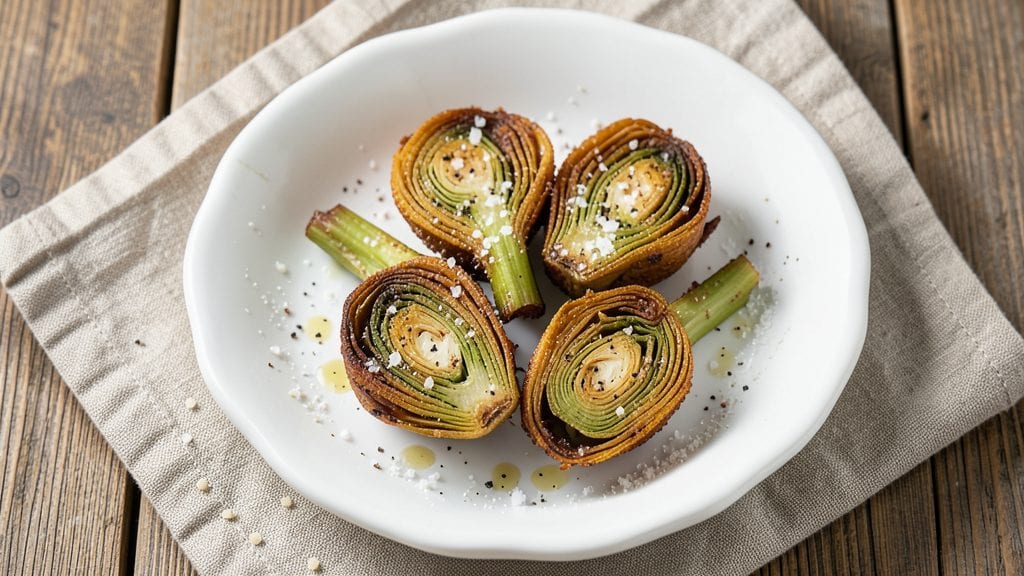
Deep frying Castroville artichoke hearts transforms their natural bitterness into crispy gold bites with a tender heart—this recipe delivers the perfect balance of texture and flavor. The key lies in proper preparation: trimming, soaking, and a light batter that creates that signature crunch without overwhelming the artichoke’s delicate taste.
I’ve perfected this method over years of testing, ensuring every heart emerges with a golden-brown crust that shatters at the touch.
What sets this recipe apart is the flexibility—whether you prefer a classic flour-based batter or a gluten-free alternative, the technique remains the same.
The artichokes soak in vinegar and water to remove bitterness before being coated in a seasoned batter, then fried to perfection in 365°F oil for just 3-4 minutes. The result? A plate of crispy, herby artichokes that disappear faster than you can say "dip."
Pair these with my herby vinegar dip—a tangy blend of red wine vinegar, fresh parsley, and garlic—to cut through the richness. The dip elevates the dish, turning a simple appetizer into a crowd-pleasing centerpiece.
This recipe is foolproof, but the real magic happens in the frying: patience and precision ensure every bite is crispy, golden, and full of flavor—no compromises.
For a modern twist, swap the deep fryer for an air fryer—reduce oil, increase temperature to 400°F, and cut frying time to 8-10 minutes, shaking halfway. Safety first: always use a deep-fry thermometer and keep a fire extinguisher nearby.
Whether you fry or air fry, the result is the same: crunchy, addictive artichokes that prove appetizers can be just as impressive as the main course.
Ingredients for deep fried artichoke hearts castroville
Transform artichoke bitterness into crispy gold with these 14 essential ingredients—perfectly balanced for texture and flavor.
| Ingredient | Amount | Notes |
|---|---|---|
| Castroville Artichoke Hearts 🌿 | 1 ½ lb | Fresh, trimmed, and cleaned |
| All-Purpose Flour 🌾 | 1 ½ cups | For classic batter consistency |
| Cornstarch 🌾 | ½ cup | For extra crispiness |
| Diamond Crystal Kosher Salt 🧂 | 1 ½ tsp | Fine grain preferred |
| Ground Black Pepper 🌶️ | ½ tsp | Freshly ground for best flavor |
| Garlic Powder 🧄 | 1 tsp | Not garlic salt |
| White Vinegar 💧 | 1 cup | For soaking artichokes |
| Cold Water 💧 | 2 cups | For soaking solution |
| Vegetable Oil 🫒 | 3 cups | For deep frying, high smoke point |
| Red Wine Vinegar 🍷 | ¼ cup | For herby vinegar dip |
| Fresh Parsley 🌿 | ¼ cup | Finely chopped, stems removed |
| Garlic Cloves 🧄 | 2 cloves | Minced for dip |
| Extra-Virgin Olive Oil 🫒 | 2 tbsp | For finishing dip |
| Lemon Juice 🍋 | 1 tbsp | Freshly squeezed |
The artichokes are the star, and Castroville hearts are non-negotiable for their tender, meaty texture. Look for fresh, firm hearts with tightly packed leaves—avoid any with brown or slimy spots. Trim the stems and remove any tough outer leaves before soaking. For the best quality, purchase from Whole Foods or specialty produce markets where they’re often sold pre-trimmed. If you can’t find Castroville, California-grown artichokes are the next best option, but they require more trimming. The vinegar soak is critical: it removes bitterness and ensures a crispy crust. Use white vinegar for a neutral flavor, or swap for lemon juice if you prefer a citrusy note.
No flour on hand? A 1:1 cornstarch substitution works beautifully for a gluten-free batter, though texture will differ slightly. For the dip, fresh parsley is ideal, but dried parsley at one-third the amount will suffice in a pinch. The garlic can be pre-minced from a jar, but freshly minced adds depth. If you’re avoiding oil, the dip can be made with just vinegar, lemon juice, and herbs—no oil needed. For the batter, Diamond Crystal kosher salt dissolves more easily than table salt, creating a smoother crust. The vegetable oil should have a high smoke point (350°F+), so brands like Crisco or Spectrum are ideal. Avoid olive oil for frying—it burns too easily.
Artichokes keep best in the fridge for 3-4 days after trimming, but they’re at their peak within 24 hours of purchase. The batter mix can be stored in an airtight container for up to 2 days in the fridge, though it’s best used fresh. For the dip, store it in a sealed jar in the fridge for 5-7 days, giving it a quick stir before serving to redistribute the olive oil. The fried artichokes reheat poorly—they lose their crispiness—but they make a fantastic addition to salads or grain bowls if you have leftovers. Portion the batter into small containers for easy reuse, and keep the oil in a thermos or slow cooker to maintain a consistent 365°F temperature.
Why You'll Love This Recipe
- No-Fuss Crispy Magic: Honestly, this recipe takes five minutes of real work—just toss the artichokes in flour, cornstarch, and a pinch of salt, then fry until golden. No chopping, no marinating, no stress.
- That Crunchy-Creamy Bite: Between us, the flour-cornstarch combo creates the perfect texture—crispy outside, tender inside—while the kosher salt and pepper make every bite taste like a little flavor explosion. It’s the kind of snack that disappears faster than you can say “second helping.”
- Game for Any Gathering: I’ve served these at tailgates, game nights, and even as a fancy appetizer when company drops by. They’re hearty enough for a snack plate but feel special enough for a party—no one will guess they’re this easy.
- Leftovers? More Like Neverovers: Between us, these don’t last. But if by some miracle you have extras, they reheat beautifully in the oven or air fryer—still crispy, still delicious. And since you’re using pantry staples, it’s a budget win too.
Step-by-step instructions for deep fried Castroville artichoke hearts
Master this technique for artichokes that emerge from the oil with a perfect golden crust and tender hearts.
Prepare the Artichokes for Frying
Begin by trimming the castroville artichoke hearts, removing any tough stems or fibrous ends. Rinse them thoroughly under cold water and pat completely dry with paper towels—this step is crucial for preventing oil splatter during frying. In a large bowl, combine the 1 cup white vinegar and 2 cups cold water, then add the artichokes. Let them soak for 15 minutes to remove any bitterness and soften the texture slightly. Drain and pat dry again before proceeding.
The vinegar soak not only tenderizes the artichokes but also helps create a cleaner, more refined flavor profile. If you notice any remaining tough fibers after trimming, use kitchen shears to snip them away. Work quickly after draining to maintain the artichokes' texture—they'll begin to dry out if left exposed too long.
Create the Light Batter for Extra Crispiness
In a medium bowl, whisk together the 1.5 cups all-purpose flour, 0.5 cup cornstarch, 1.5 teaspoons diamond crystal kosher salt, 0.5 teaspoon ground black pepper, and 1 teaspoon garlic powder. This combination ensures a crisp exterior while maintaining a tender interior. Gradually whisk in just enough cold water to form a smooth, thin batter—it should resemble heavy cream in consistency. If it's too thick, add water 1 tablespoon at a time until it flows easily when stirred.
The cornstarch is key here—it creates a lighter, more delicate crust compared to flour alone. Test the batter by dipping a clean artichoke heart; it should coat evenly without clumping. Let the batter sit for 10 minutes before frying to allow the flour to fully hydrate and the seasonings to meld.
Heat the Oil and Fry to Golden Perfection
Fill a deep skillet or Dutch oven with 3 cups vegetable oil and heat over medium-high heat until the oil reaches 375°F. Use a deep-fry thermometer to monitor the temperature—this precision is essential for achieving that signature golden crust. Working in batches to avoid overcrowding, dip each artichoke heart into the prepared batter, allowing excess to drip off, then carefully lower it into the hot oil.
Fry for 2 to 3 minutes per side, or until the artichokes turn a deep golden brown. You'll see small bubbles form around the edges—this indicates the batter is cooking properly. Use tongs to turn them gently, ensuring even browning. Remove the fried artichokes and place them on a wire rack or paper towel-lined plate to drain excess oil. If the oil temperature drops below 350°F at any point, let it recover before adding more artichokes.
Prepare the Herby Vinegar Dip
While the artichokes fry, combine the 0.25 cup red wine vinegar, 0.25 cup finely chopped fresh parsley, 2 minced garlic cloves, 2 tablespoons extra-virgin olive oil, and 1 tablespoon freshly squeezed lemon juice in a small bowl. Whisk vigorously to emulsify the mixture, then let it sit for 5 minutes to allow the flavors to meld. Taste and adjust the seasoning with additional salt or pepper if needed.
The dip should be bright, tangy, and herbaceous—this balances the richness of the fried artichokes beautifully. If the mixture separates, whisk again to re-emulsify. Serve the dip immediately alongside the hot artichokes for the best flavor experience. The acidity in the vinegar and lemon juice cuts through the oil, creating a refreshing contrast.
Serve Immediately with Warm Dip
Transfer the fried artichoke hearts to a serving platter and sprinkle with an additional pinch of diamond crystal kosher salt while still warm. Serve immediately with the herby vinegar dip on the side. The artichokes should be crispy on the outside with tender, flavorful hearts inside. If they cool too much before serving, they'll lose their ideal texture—plan to eat them within 10 minutes of frying.
For an elevated presentation, arrange the artichokes on a platter surrounded by lemon wedges and extra fresh parsley. The contrast of the vibrant green herbs against the golden artichokes makes for an appealing dish. Pair with a crisp white wine or sparkling water to complement the flavors. Leftovers can be reheated in a 350°F oven for 5 minutes to restore crispiness, though they're best enjoyed fresh.
Pro Tips For Making Deep Fried Artichoke Hearts Castroville
- Pat Them Dry: Castroville artichokes hold onto moisture like a grudge—drain them well, then blot each heart with paper towels until they’re bone dry. I used to skip this, and my fried artichokes turned out soggy instead of crisp. Trust me, a minute of drying now saves you from a greasy mess later.
- Use a 50/50 Coating: Mix half all-purpose flour with half cornstarch for the coating—this gives you the best of both worlds: structure from the flour and that perfect crunch from the cornstarch. I learned this after my first batch turned out either too dense or too powdery. Stick to this ratio, and you’ll get a golden, shatterable crust every time.
- Fry in Batches: Don’t crowd the pan—drop in 3-4 artichokes at a time, max. I’ve seen people try to fry a whole batch at once, and the oil temp crashes faster than a bad joke. Keep the oil at 375°F (190°C) between batches, and your artichokes will fry evenly without absorbing oil like a sponge.
- Salt the Oil: Toss in a pinch of kosher salt into the hot oil before frying—it seasons the crust from the inside out. Sounds weird, but it works: my first batch tasted bland until I tried this. Just a tiny pinch, or you’ll end up with a salty oil bath.
Serving suggestions for this deep fried artichoke hearts castroville
Dip Pairings
The herby vinegar dip I recommend is a game-changer—its bright acidity cuts through the fried richness perfectly. For a spicier kick, add ½ tsp of Penzeys Calabrian chili flakes to the dip while whisking.
If you prefer something creamy, blend ¼ cup Greek yogurt into the dip for a tangy, velvety texture that still complements the crispy artichokes. 💫
Bread Service
Serve these golden artichokes with warm crusty bread or garlic focaccia on the side. The bread soaks up any leftover dip, creating a satisfying, hands-on eating experience. I love using a sourdough loaf from my local bakery—its chewy texture contrasts beautifully with the crispy artichokes.
For a gluten-free option, toast gluten-free baguette slices until they’re crispy.
Salad Pairings
Transform leftovers into a refreshing salad by tossing fried artichokes with mixed greens, cherry tomatoes, and shaved Parmesan. Drizzle with balsamic glaze and a sprinkle of toasted pine nuts for added crunch.
This salad keeps well for 2-3 days in the fridge, making it a great make-ahead option. The artichokes add a delightful contrast to the fresh greens. ✨
Protein Additions
For a more substantial meal, pair these artichokes with grilled lemon-herb chicken or seared scallops. The crispy artichokes add a textural element that elevates any protein.
I often serve them alongside garlic butter shrimp for a seafood-focused spread. The combination of the fried artichokes and protein creates a balanced, satisfying bite.
Wine & Drink Pairings
A crisp Italian Pinot Grigio or Sauvignon Blanc complements the artichokes beautifully, with their bright acidity mirroring the herby dip. For a non-alcoholic option, sparkling water with a splash of lime keeps the palate clean.
If you're serving with spicy dips, a light lager like Peroni helps balance the heat. 🍷
Presentation Tips
Arrange the fried artichokes on a slate serving board or wooden platter for a rustic touch. Surround them with lemon wedges and fresh parsley sprigs for a pop of color.
For a modern twist, use a white ceramic plate and drizzle the herby vinegar dip in an artistic swirl around the artichokes. The presentation makes these appetizers look as good as they taste.
Nutrition facts
Frequently asked questions
Why do Castroville artichoke hearts need to soak in vinegar?
The vinegar soak (15 minutes) removes bitterness and tenderizes the artichokes for a crispier crust. The acidity breaks down natural compounds that create bitterness, while the water helps soften the texture slightly. Skip this step and you'll end up with tough, flavorful-but-bitter artichokes.
Can I use frozen artichoke hearts instead of fresh?
Fresh Castroville hearts are ideal, but if you must use frozen, thaw them completely first. Pat them very dry before frying—any moisture causes oil splatter. Expect slightly less crispiness since frozen artichokes absorb more oil during thawing. For best results, use fresh within 24 hours of purchase.
How do I fix artichokes that came out soggy instead of crispy?
Soggy artichokes usually mean one of three things: oil too cool (350°F minimum), overcrowding the fryer, or not draining properly. Next time, maintain 375°F oil, fry in small batches, and use a wire rack (not paper towels) to drain. For reheating, bake at 400°F for 3-4 minutes to restore crispiness.
What's the best oil for frying artichoke hearts?
Use a high-smoke-point oil like vegetable, peanut, or canola—avoid olive oil (it burns too easily). For flavor, I recommend peanut oil—it adds a subtle nuttiness that pairs perfectly with the artichokes. Keep oil at 365-375°F and reuse up to 3 batches if you maintain proper temperature.
Can I make this recipe gluten-free?
Swap the flour for a 1:1 gluten-free flour blend (like Bob's Red Mill) and add ½ tsp xanthan gum to improve crispiness. For the batter, use ½ cup cornstarch instead of flour. The texture will be slightly different but still delicious.