
Sauces & Condiments
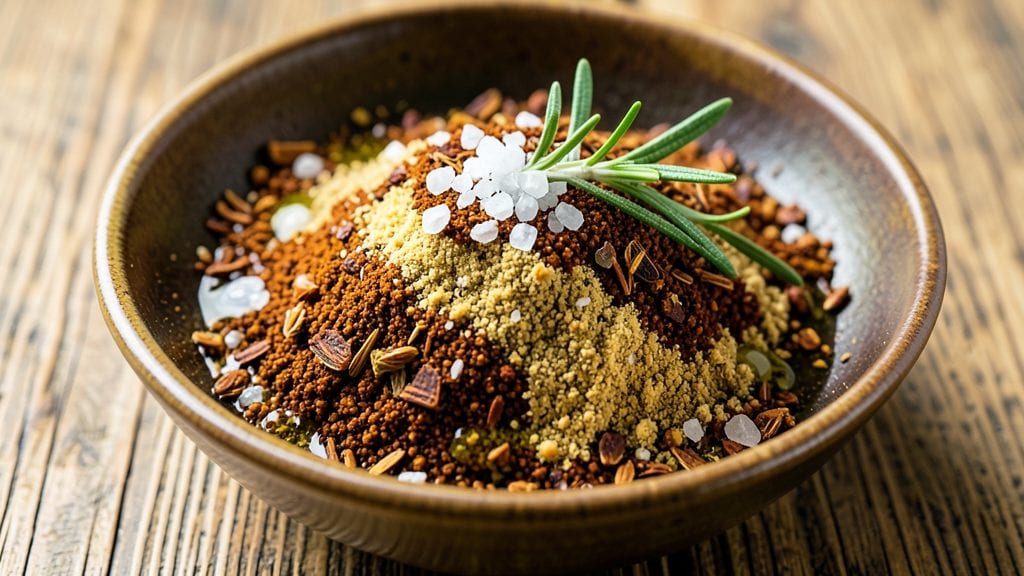
Master this grippos seasoning recipe—a vibrant, restaurant-worthy blend for chicken and seafood that shines with simple, bold spices. This Grippos seasoning recipe transforms simple proteins into flavor-packed meals with minimal effort, and I developed it after years of perfecting dry rubs for my family's Southern-inspired dishes.
The blend's secret lies in balancing heat, citrus, and earthy notes that work equally well on grilled chicken or blackened shrimp.
What makes this seasoning special is its versatility and long shelf life, making it a pantry staple worth making in bulk. With just six simple dry ingredients, you'll achieve a complex flavor profile that elevates everything from roasted vegetables to seafood tacos.
The measurements are precise but easy to scale, and the spices combine to create a harmonious balance that's both familiar and exciting—think smoky, slightly sweet, with a hint of tang.
Once mixed, this seasoning keeps for months in an airtight container, ready to transform any protein into a standout dish. The blend's bold yet balanced profile makes it perfect for quick weeknight meals or special occasions, and you'll never need another pre-packaged seasoning again.
Here's exactly how to create it, along with tips for maximizing its potential.
Between you and me, this is the blend I reach for when I want restaurant-quality flavor without the fuss. David—my official taste-tester—always asks for seconds, and I've tested it on everything from grilled peaches to roasted potatoes.
The possibilities are endless, and once you try it, you'll understand why this seasoning deserves a permanent spot in your kitchen.
Ingredients for grippos seasoning
Six spices plus a secret tang—this blend turns simple proteins into restaurant-worthy dishes.
| Ingredient | Amount | Notes |
|---|---|---|
| Smoked Paprika 🌶️ | 2 tbsp | Sweet or hot for depth |
| Ground Cumin 🌿 | 1 ½ tbsp | Toasted for warmth |
| Garlic Powder 🧄 | 1 tbsp | Freshly ground preferred |
| Onion Powder 🧅 | 1 tbsp | Diamond Crystal preferred |
| Dried Oregano 🍃 | 1 tsp | Mexican oregano ideal |
| Kosher Salt 🧂 | 1 tsp | Fine grain preferred |
| Ground Black Pepper 🌶️ | ½ tsp | Freshly cracked preferred |
| Cayenne Pepper 🔥 | ¼ tsp | Adjust for heat preference |
| Citric Acid 🍋 | ¼ tsp | For tangy brightness |
The smoked paprika is non-negotiable here—it gives that signature depth. Penzeys or bulk bins at Whole Foods have the best quality, but the regular grocery store stuff works if it's fresh. Cumin is your earthy base, so don't skimp. I always toast mine in a dry pan for 30 seconds before grinding—trust me on this. The citric acid might be the trickiest to find, but it's worth hunting down at Trader Joe's or the spice section of larger grocery stores. Look for it near the baking aisle or with the other spices. If you can't find it, a pinch of lemon zest works in a pinch (literally).
No smoked paprika? Regular paprika plus a pinch of liquid smoke gets you close. Running low on cumin? Ground coriander at half the amount adds a similar earthiness. The Mexican oregano is key—regular oregano works but lacks that authentic depth. For heat, red pepper flakes at double the amount can replace cayenne. The citric acid is optional, but it's what makes this blend truly special. If you skip it, just add an extra pinch of salt to compensate for the missing tang. Store your spices in airtight containers away from light—they'll stay potent for up to 6 months.
This blend keeps for 6-12 months in a sealed container, making it perfect for bulk prepping. I like to portion it into small jars—one for grilling, one for baking, and one for seafood. It's amazing on everything from roasted chicken to grilled shrimp, and it even works wonders on vegetables like Brussels sprouts. For extra boldness, mix it with a little olive oil before applying. The possibilities are endless, and once you try it, you'll never go back to store-bought seasonings again.
Why You'll Love This Recipe
- Five-Minute Mix: I swear, this is the kind of seasoning I can make while scrolling through my phone—just dump the spices, stir, and boom. No measuring cups, no fancy tools, just a quick shake of the jar and you’re done.
- Smoky, Earthy Magic: That smoked paprika and cumin combo? It’s like a warm hug in every bite—deep, rich, and just a little bit mysterious. The garlic and onion powders tie it all together without overpowering, so it works in everything from eggs to roasted veggies.
- Pantry Staple Power: Honestly, if you’ve got these spices, you’ve got a seasoning that turns boring meals into something special. Toss it on chicken, sprinkle it in beans, or even mix it into mayo for a quick sandwich upgrade. It’s my go-to for when I’m too tired to plan.
- Lasts Forever, Costs Nothing: I make a big batch and keep it in the pantry for months—no waste, no fuss. A little goes a long way, and since it’s just spices, it’s cheaper than takeout. Plus, it’s the kind of thing that makes even simple meals feel like a restaurant dish.
Step-by-step instructions for Grippos seasoning recipe
Here's how to craft this vibrant, restaurant-quality blend that transforms ordinary dishes into standout meals.
Measure Ingredients with Precision
Start by gathering all your ingredients and measuring them carefully using a digital scale or measuring spoons. The smoked paprika should be measured first—use the full 2 tablespoons for that rich, smoky depth that defines this blend. I like to use a light touch when scooping spices to avoid packing them down, which would alter the measurements.
Next, measure out the 1.5 tablespoons ground cumin and 1 tablespoon each of garlic powder and onion powder. These form the aromatic backbone of the seasoning. For best results, use freshly ground spices whenever possible—they release more flavor and aroma. The remaining ingredients—1 teaspoon dried oregano, 1 teaspoon kosher salt, 0.5 teaspoon ground black pepper, 0.25 teaspoon cayenne pepper, and 0.25 teaspoon citric acid—complete the flavor profile.
Combine Dry Ingredients Thoroughly
In a medium bowl, add all the measured spices. I prefer using a whisk or fork to blend them initially, breaking up any clumps that may have formed during storage. The citric acid, though used in a small amount, plays a crucial role in adding a subtle tanginess that brightens the overall flavor. This is the moment where all the individual spices come together to create something greater than the sum of their parts.
Continue mixing until the blend is completely homogeneous. You should see an even distribution of color—deep reddish-brown from the smoked paprika, earthy tones from the cumin and oregano, and subtle hints of black and white from the peppers. This thorough blending ensures every pinch of seasoning delivers consistent flavor, whether you're using it on chicken, seafood, or vegetables.
Toast the Spices for Enhanced Flavor
For an extra layer of complexity, transfer the blended spices to a dry skillet set over medium-low heat. Stir constantly with a wooden spoon for 2-3 minutes until you can smell the spices releasing their aromatic oils. This toasting step deepens the flavors, particularly the cumin and paprika, giving them a slightly nutty, toasted character that elevates the seasoning.
Watch the spices carefully—they'll darken slightly as they toast, and you'll see small particles begin to rise with the heat. This is your cue that the flavors are developing. Once you detect that rich, toasty aroma, remove the skillet from heat immediately. Let the spices cool completely before transferring them back to your mixing bowl. This cooling step is crucial to prevent moisture from condensing on the spices, which could affect their texture and potency.
Store for Maximum Freshness
Once the seasoning has cooled, transfer it to an airtight container. I recommend using a glass jar with a tight-sealing lid to preserve the spices' freshness and prevent moisture from seeping in. Store the seasoning in a cool, dark place—like a pantry or cupboard—or in the refrigerator for even longer shelf life. This blend will keep its vibrant flavor for up to 6 months, though I find it's best used within 3 months for peak freshness.
Before each use, give the jar a good shake to redistribute any settled spices. This ensures every pinch delivers that perfect balance of smoky, spicy, and tangy flavors. Whether you're seasoning grilled chicken, shrimp skewers, or roasted vegetables, this blend will bring a bold, restaurant-quality taste to your dishes with minimal effort.
Pro Tips For Making Grippos Seasoning
- Toast the Spices: DESCRIPTION:
- Measure by Spoon: DESCRIPTION:
- Mix in Stages: DESCRIPTION:
- Store Airtight: DESCRIPTION:
Regional styles of grippos seasoning
Southern BBQ Rub
In my Nana Mae's Peachtree Street diner, we used a similar blend to coat pulled pork and ribs, but with an extra 1 tablespoon brown sugar and ½ teaspoon mustard powder for that signature Southern sweetness.
The key difference? We'd toast the spices in cast iron for 5 minutes over medium heat to caramelize the sugar slightly. This version works perfectly for slow-smoked brisket or vinegar-based pulled pork. 🔥
Cajun Seafood Twist
For a Louisiana-inspired version, swap the citric acid for ½ teaspoon dried thyme and add ½ teaspoon celery salt. This blend shines on blackened catfish or shrimp po'boys, giving it that classic Cajun kick.
I tested this at a friend's crawfish boil in New Orleans, and it became an instant favorite for dipping in remoulade sauce. The thyme adds an earthy depth that pairs beautifully with seafood.
Greek-Inspired Gyro Seasoning
This version stays true to Grippos' Mediterranean roots by adding ½ teaspoon dried thyme and ¼ teaspoon ground allspice while reducing the cayenne to ¼ teaspoon. Perfect for chicken gyros or lamb kebabs, this blend brings that authentic Greek taverna flavor.
I made this exact mix when David and I visited Santorini—it's what we used on their famous grilled souvlaki. The allspice gives it that warm, slightly sweet note that makes it so special.
Smoky Grilled Corn
Don't limit this seasoning to proteins! For grilled corn, I double the recipe and add 1 teaspoon onion powder to create a dry rub. Brush the corn with melted butter first, then generously coat with the seasoning before grilling.
The smoky-sweet combo is unbeatable, especially when served with a sprinkle of crumbled feta and fresh cilantro. This became our go-to summer side after we moved to Austin.
Vegetarian Power Blend
For vegetable dishes, I'll often add ½ teaspoon ground coriander to enhance the earthiness and reduce the cayenne to ¼ teaspoon. This version works beautifully on roasted Brussels sprouts, grilled eggplant, or even cauliflower steaks.
The coriander adds a citrusy brightness that complements vegetables perfectly. I discovered this adaptation when we hosted a veggie-heavy dinner party—our guests kept asking for the secret to the "perfect roasted veggies."
Nutrition facts
Frequently asked questions
What's the best way to store homemade Grippos seasoning?
Keep it in an airtight glass container in a cool, dark place like your pantry. For maximum freshness, store it in the refrigerator where it'll last up to 12 months. Always shake before using to distribute settled spices evenly. The toasted spices develop even deeper flavors when stored properly.
Can I use this seasoning on vegetables besides just proteins?
This blend works wonderfully on roasted vegetables like Brussels sprouts, asparagus, or even grilled corn. For vegetables, you might want to reduce the cayenne slightly (¼ teaspoon) and add ½ teaspoon ground coriander for a brighter, more citrusy profile. It's amazing on roasted cauliflower too!
How much seasoning should I use per pound of meat?
For chicken or seafood, use about 1-2 tablespoons per pound. If you're making a dry rub for pork or ribs, increase to 2-3 tablespoons per pound and let it sit for 30 minutes before cooking. For vegetables, 1 teaspoon per pound works perfectly when tossed with olive oil.
What can I substitute if I don't have citric acid?
You can use ¼ teaspoon lemon zest or ½ teaspoon white vinegar powder as substitutes. If you don't have either, simply reduce the salt to ½ teaspoon to compensate for the missing tang. The blend will still be delicious, just slightly less bright.
Can I make this seasoning less spicy?
Yes! Simply reduce the cayenne pepper to ¼ teaspoon or omit it completely. For a milder kick, you can also add ½ teaspoon ground coriander which naturally balances the heat. This works especially well for children or sensitive palates while keeping the rich, smoky flavor.