
Breakfast & Brunch
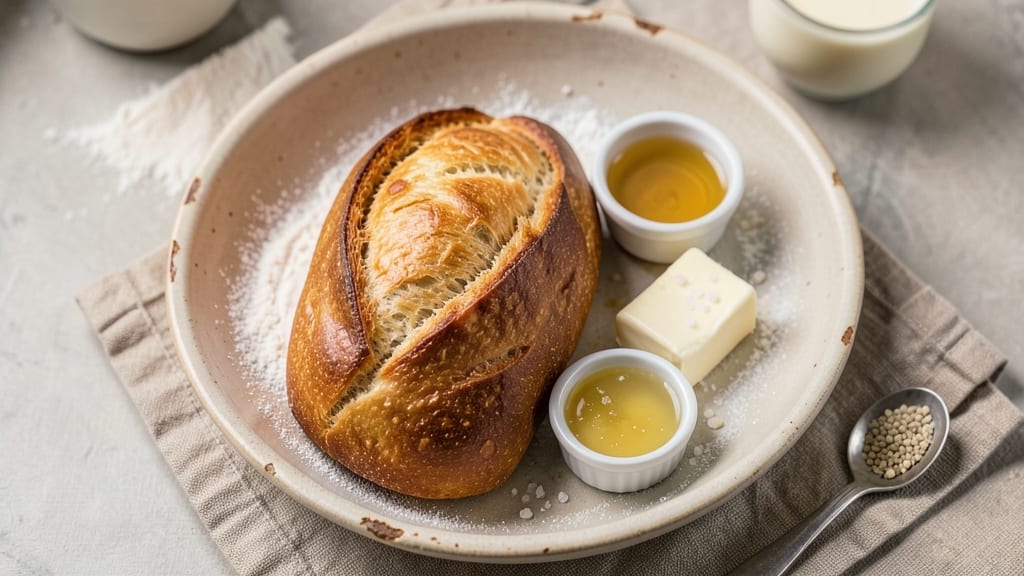
This Magnolia French Bread recipe delivers the perfect balance of crispy crust and airy interior with a subtle Southern twist—thanks to a touch of magnolia extract that makes every bite unforgettable.
The secret lies in a precise dough ratio and slow fermentation, which develops that signature texture while letting the magnolia flavor infuse gently. I’ve baked dozens of loaves to perfect this method, ensuring the crust stays shatteringly crisp while the interior remains tender and pillowy.
The dough begins with a simple mix of flour, yeast, and water, but the real magic happens when we incorporate cold butter and a hint of magnolia extract—just enough to evoke that classic Southern charm without overpowering.
Kneading and proofing are where the texture comes together, and a light brush of melted butter before baking creates that golden, crackly crust we all crave. This isn’t your average French bread; it’s a loaf with depth and character.
By the time it emerges from the oven, you’ll have a crusty, buttery loaf with a fragrant aroma that fills your kitchen—warm, slightly sweet, and impossible to resist.
The magnolia note lingers just beneath the surface, adding a layer of complexity that turns this bread into more than just a side dish. It’s the kind of loaf that pairs beautifully with soups, butter, or even as a base for sandwiches, elevating any meal.
Ready in about 2 hours (including proofing), this recipe is designed for home bakers who want restaurant-quality results without the fuss. The key is patience—letting the dough rise slowly develops the best texture and flavor. Once you try this Magnolia French Bread, you’ll never go back to store-bought again.
Ingredients for magnolia french bread
Eight simple ingredients transform into a loaf with Southern soul and crispy perfection.
| Ingredient | Amount | Notes |
|---|---|---|
| All-Purpose Flour 🌾 | 5 cups | Spooned and leveled, not packed |
| Active Dry Yeast 🍞 | ¼ oz | Or 2 1/4 tsp, fresh preferred |
| Granulated Sugar 🍬 | ½ tsp | Feeds the yeast, don't skip |
| Salt 🧂 | 1 ½ tsp | Kosher or sea salt preferred |
| Unsalted Butter 🧈 | ½ cup | Cold, cubed, not melted |
| Magnolia Extract 🌸 | 1 tsp | Pure extract, not imitation |
| Warm Water 💧 | 1 ¼ cups | 110°F, not boiling |
| Extra-Virgin Olive Oil 🫒 | 1 tbsp | For dough and brushing |
| Cornmeal 🌽 | ¼ cup | For dusting, not flour |
| Egg Wash 🥚 | 1 whole | Beaten with 1 tsp water |
The flour is non-negotiable—King Arthur or Gold Medal work best for that tender crumb. Yeast? Fresh is ideal but active dry works if stored properly (test it first!). The butter needs to be cold—cut it into small cubes and keep it in the freezer while mixing. Magnolia extract is the star—look for pure extract at specialty stores or online, not the imitation stuff. Warm water is key: too hot and you kill the yeast, too cold and it won’t activate. I always check the temp with a thermometer—110°F is perfect.
No magnolia extract? Vanilla extract at half the amount gives a milder sweetness, but you’ll miss that signature Southern note. Short on butter? Vegetable shortening works for a lighter texture, though it lacks flavor. The dough gets sticky—wet your hands when handling it, don’t add more flour. For extra flavor, add 1/4 tsp cinnamon or a pinch of cayenne. And if you’re feeling fancy, brush the crust with melted brown butter after baking—trust me, it’s worth it.
This dough needs time—let it rise until doubled, about 1-2 hours depending on your kitchen. Shape it gently; overworking it makes the bread tough. For the best crust, bake at 425°F for 25-30 minutes until golden brown. Store wrapped at room temp for 2 days or freeze the loaf for up to 3 months. Toast slices for maximum crispiness—it reheats beautifully too. Leftovers? Toss in a paper bag in the toaster for that bakery-fresh crunch.
Why You'll Love This Recipe
- Five-Ingredient Magic: I swear by this—just flour, yeast, sugar, salt, and butter. That’s it. No confusing lists or specialty items; everything’s already in your pantry or fridge.
- Buttery Crust, Soft Core: The moment that golden crust cracks open? Worth every second. The butter baked into the dough gives it that rich, flaky texture inside and out—like a hug from a Parisian bakery.
- Breakfast to Dinner Star: Toss it with scrambled eggs for brunch, tear it over soup when it’s chilly, or serve it warm with jam for a lazy afternoon. It’s the one loaf that does it all without apology.
- Make-Ahead MVP: Bake a batch on Sunday, and you’ve got fresh bread for the week. Freeze slices for toast or sandwiches—no sad, stale leftovers here, just crispy perfection whenever you want it.
Step-by-step instructions for magnolia French bread
Here's how to craft that iconic Southern buttery loaf with a golden crust and tender crumb.
Activate the Yeast and Mix the Dough
In a large bowl, combine the 1.25 cups warm water (about 110°F), 0.5 tsp granulated sugar, and 0.25 oz active dry yeast. Let this sit for 5-10 minutes until frothy—this tells you your yeast is alive and ready to work. If it doesn't bubble, your yeast might be dead, and you'll need to start over.
Once bubbly, add the 5 cups all-purpose flour and 1.5 tsp salt to the bowl. Mix with a wooden spoon until a shaggy dough forms. Then, cut in the 0.5 cup cold unsalted butter using a pastry cutter or your fingers until the butter is incorporated into pea-sized pieces. This cold butter will create those beautiful flaky layers later.
Knead and Develop the Gluten
Turn the dough onto a lightly floured surface and knead for 8-10 minutes until smooth and elastic. You'll know it's ready when it springs back slowly when poked. If the dough feels sticky, add just enough of the 5 cups flour to make it manageable—don't overdo it or the bread will be dense.
For extra flavor, add the 1 tsp magnolia extract during the last minute of kneading. This step is where the magic happens—the gluten develops, giving your bread its signature chew and structure. Wrap the dough in plastic wrap and let it rest for 1 hour at room temperature. This first rise allows the gluten to relax and the yeast to ferment properly.
Shape and Second Rise
After the initial rise, punch down the dough to release any air bubbles. Divide it into 4 equal pieces (about 8 ounces each) and shape each into a log. Roll them in the 0.25 cup cornmeal to prevent sticking, then place them in a greased 9x5-inch loaf pan. Cover with a damp towel and let them rise for another 1 hour until puffy and nearly doubled in size.
This second rise is crucial—it ensures your bread has that light, airy texture. If your kitchen is cold, give it an extra 20-30 minutes. The dough should look like it's about to overflow the pan when ready.
Bake to Golden Perfection
Preheat your oven to 375°F. Brush the risen loaves with the 1 tbsp extra-virgin olive oil, then make a few shallow slashes on the top with a sharp knife—this helps the bread expand and creates that classic crust. Bake for 25-30 minutes until the bread is deep golden brown and sounds hollow when tapped on the bottom.
For that buttery finish, brush the warm loaves with the 1 whole egg wash (beaten with 1 tsp water) immediately after baking. Let them cool on a wire rack for 10 minutes before slicing—this prevents a gummy interior. The aroma alone will have your kitchen smelling like a Southern bakery!
Pro Tips For Making Magnolia French Bread
- Dissolve the Yeast Properly: DESCRIPTION: Warm your water to 105–110°F—not boiling, not cold—then sprinkle the yeast in slowly while stirring. If it foams within 5 minutes, it’s active; if not, your bread will turn out flat. I learned this the hard way after a batch of dense, sad loaves from lazy yeast prep.
- Chill the Dough Overnight: DESCRIPTION: After the first rise, shape your dough and refrigerate it for 12–16 hours. This isn’t just lazy baking—it develops gluten and flavor like magic. Skip this, and your bread will taste fresh but lack depth. (Yes, even if you’re impatient like me.)
- Butter Matters More Than You Think: DESCRIPTION: Use cold, unsalted butter cut into small cubes—don’t melt it first. When it browns in the oven, that’s when the real flavor happens. I was skeptical until I tried it; now I refuse to go back to soft butter.
- Steam the First 10 Minutes: DESCRIPTION: Place a metal bowl of boiling water in your oven before baking, then close the door. This traps steam and guarantees a crisp, golden crust—not a sad, pale one. Does it look weird? Yes. Does it work? Every single time.
Creative variations of this recipe
Southern Magnolia Twist
For an extra floral note, infuse the dough with 1 tablespoon fresh magnolia blossoms during the final kneading stage. Strain out the petals after 1 hour of resting to avoid bitterness. This method works best with pure, pesticide-free blossoms from specialty markets or trusted suppliers. 🌸
Honey-Glazed Version
Swap the egg wash for a honey-magnolia glaze by mixing 2 tablespoons honey with 1 teaspoon magnolia extract and brushing it on after baking. The result? A sticky, aromatic crust that pairs perfectly with sharp cheeses like aged cheddar. Let the glaze set for 5 minutes before slicing.
Savory Herb Adaptation
Transform this into a savory loaf by omitting sugar and adding 1 teaspoon dried rosemary and 1 teaspoon dried thyme to the dough. Brush the baked loaf with garlic-infused olive oil instead of egg wash. This version shines in soup pairings or as a base for herb butter sandwiches.
Cinnamon-Spiced Loaf
Add warmth by mixing 1 teaspoon ground cinnamon and ¼ teaspoon cayenne pepper into the dough. For a festive touch, sprinkle coarse sugar on top before baking. This spiced version tastes like a cross between French bread and cinnamon rolls—ideal for breakfast or dessert.
Whole Wheat Substitution
Replace 2 cups of all-purpose flour with whole wheat flour for a nuttier, heartier loaf. To maintain texture, add 1 extra tablespoon olive oil to the dough.
The magnolia flavor still shines through, but with added fiber and a denser crumb. Perfect for those seeking a healthier twist without sacrificing taste. 💪
Garlic-Butter Twist
After baking, brush the warm loaf with melted garlic butter (mix 2 tablespoons softened butter with 1 minced garlic clove and a pinch of salt). This adds a savory depth that complements the magnolia's sweetness.
Store leftovers in the fridge for up to 3 days or freeze for 3 months.
Nutrition facts
Frequently asked questions
Can I make this bread without a loaf pan?
Shape the dough into a free-form boule or batard instead of using a pan. Place it on a parchment-lined baking sheet, cover with a damp towel, and let it rise. Bake at 425°F for 25-30 minutes, brushing with olive oil or egg wash halfway through. The crust will be even crispier without the pan's confinement!
How do I know when the dough is fully proofed?
Press two fingers gently into the dough—if it springs back slowly (not immediately) and leaves a slight indentation, it's ready. For the loaf pan version, the dough should nearly fill the pan and look puffy, with the top rising above the rim. Cold kitchens? Give it an extra 30 minutes to rise properly.
What's the best way to reheat sliced bread?
For maximum crispiness, wrap slices in a paper bag and toast in the oven at 350°F for 3-5 minutes. The bag traps steam, recreating that bakery-fresh crunch. Avoid the microwave—it turns bread gummy. For extra flavor, brush slices with melted butter before reheating.
Can I substitute magnolia extract with something else?
Yes! Use ½ teaspoon vanilla extract for a milder sweetness or ¼ teaspoon almond extract for a nutty note. For a floral alternative, try 1 teaspoon orange blossom water (common in Middle Eastern baking). Just reduce other liquids slightly to maintain dough consistency.
Why did my bread turn out dense instead of airy?
Dense bread usually means over-kneading or under-proofing. Knead just until the dough springs back slowly when poked (about 8-10 minutes). Also check: Did your yeast activate properly? Was the oven too hot? Try baking at 375°F with a baking stone for better heat distribution. Patience is key—rushing the rise is a common mistake!