
Side Dishes
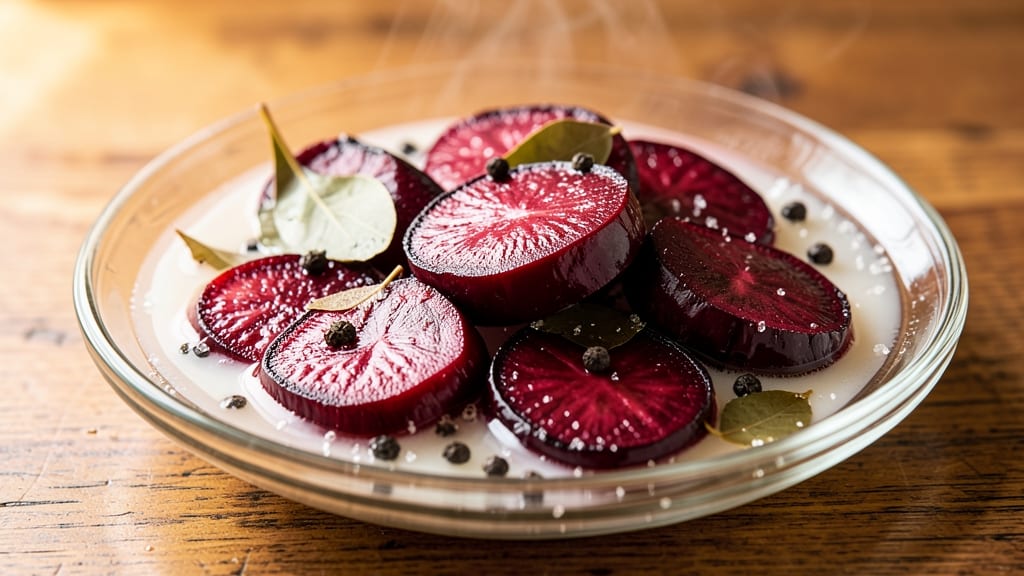
Transforming humble beets into vibrant, sweet-tart pickled gems is a game-changer for any meal—this recipe delivers restaurant-quality results with just five ingredients. The process begins with boiling beets until tender, then slicing them into perfect bite-sized pieces before immersing them in a simple syrup infused with vinegar and spices.
What makes this version special is the balance of sweetness and acidity that lingers on every crisp bite.
This method requires no special equipment beyond a pot, bowl, and jar—ideal for beginners or anyone looking to elevate simple sides. The beets develop a beautiful pink hue while absorbing the tangy-sweet flavor, making them perfect for salads, charcuterie boards, or even as a standalone snack.
Best of all, the recipe stays true to plant-based roots with no animal products involved.
Once pickled, these beets keep beautifully in the refrigerator for up to two weeks, maintaining their vibrant color and satisfying crunch. The syrup can be reused for dressings or drizzled over roasted vegetables, adding depth to any dish.
Whether you're prepping for a holiday spread or just craving a flavorful side, this recipe delivers consistent, professional-quality results every time.
Pair them with goat cheese, pair them with smoked salmon, or serve them alongside grilled meats—they’re versatile enough to shine in any setting. The key to success lies in precise timing during the boiling and pickling stages, ensuring the perfect texture and flavor balance.
Let’s get started on creating your own batch of these vibrant, tangy delights.
Ingredients for sweet pickled beets
Five simple ingredients transform beets into vibrant, tangy-sweet pickled bites perfect for salads or snacks.
| Ingredient | Amount | Notes |
|---|---|---|
| Medium Beets 🥕 | 4 whole | Organic preferred, stems trimmed |
| White Vinegar 🍶 | 1 cup | Distilled or apple cider |
| Granulated Sugar 🍚 | 1 cup | Or coconut sugar for vegan |
| Ground Black Peppercorns 🌶️ | 1 tsp | Freshly cracked for texture |
| Bay Leaves 🌿 | 2 whole | Dried or fresh for aroma |
| Water 💧 | 2 cups | Filtered preferred for clarity |
| Sea Salt 🧂 | 1 tsp | Fine grain for balance |
Beets are the star here—organic ones have richer flavor, but conventional works too. Whole Foods or local farmers markets often carry pre-washed beets, but scrubbing them yourself ensures no dirt hitches a ride. The size matters: medium beets (about 3-4 inches) cook evenly. Costco sells them in bulk for great deals, but a single package from the grocery store works for this batch. Don’t peel them before boiling—leave the skins on for natural sweetness and vibrant color. If you’re feeling fancy, roast them first for extra tenderness, but boiling is foolproof.
No vinegar? Lemon juice works in a pinch, but it’ll be less tangy. Sugar too expensive? Maple syrup or agave adds depth. The peppercorns are non-negotiable—they add a subtle kick that balances the sweetness. Trader Joe’s sells pre-ground peppercorns, but whole ones cracked in a mortar give the best texture. Bay leaves? Dried are fine, but fresh ones infuse more aroma. If you’re short on time, skip them—they’re more about flavor than necessity. For extra crunch, add a pinch of mustard seeds or coriander to the mix. And if you’re feeling adventurous, swap half the sugar for brown sugar for a caramelized edge.
These beets keep for 2-3 weeks in the fridge, stored in their pickling liquid. The syrup? Reuse it for dressings or roasted veggies—it’s liquid gold. For longer storage, freeze the beets in portions (they’ll soften but still taste amazing). Pro tip: Label your jars with the date so you don’t forget when they’re freshest. The longer they sit, the more intense the flavor becomes—like a flavor bomb waiting to happen. And if you make extra syrup? Drizzle it over toast or ice cream—trust me, it’s magic.
Why You'll Love This Recipe
- No Boiling Required: I peel and slice those beets raw—no waiting for them to soften. The vinegar and sugar work their magic in minutes, turning them tender and sweet without the mess of boiling water everywhere.
- Sweet-Tart Magic: That balance of sugar and vinegar? It’s like a candy-coated bite with a little tang. The peppercorns add just enough kick, and the bay leaves give it this subtle herbal depth—honestly, I reach for these over store-bought pickles every time.
- Meal Prep MVP: Slice a whole tray of beets on Sunday, toss them in the jar, and you’ve got snacks, charcuterie toppings, or sandwich boosters ready to go. I keep a jar in my fridge for weeks—perfect for lazy mornings or last-minute salads.
- Budget Brightener: Beets are cheap, and this recipe stretches them far. A single bag lasts me months, and the sugar and vinegar cost pennies. Between us, it’s one of my go-to pantry staples when I’m trying to keep groceries affordable.
Step-by-step instructions for sweet pickled beets
Here's how to transform earthy beets into vibrant, tangy-sweet pickles that'll brighten any plate.
Prep and Boil the Beets
Start by trimming the stems and root ends from the 4 whole medium beets, leaving about ¼ inch of stem intact. This prevents them from bleeding color into your pickling liquid. Place the beets in a medium pot and cover with cold water by about 1 inch. Add the 1 teaspoon of sea salt and bring to a boil over high heat.
Once boiling, reduce heat to medium and cook for 20-25 minutes until a knife slides in easily. You'll know they're perfectly tender when they pierce like butter. Drain the beets immediately and let them cool for 5 minutes before peeling. The skins should slip off effortlessly now, revealing their beautiful pink flesh.
Create the Pickling Syrup
In a separate saucepan, combine the 2 cups of water, 1 cup of granulated sugar, and 1 cup of white vinegar. Bring to a gentle simmer over medium heat, stirring occasionally until the sugar dissolves completely. This should take about 3-4 minutes. The mixture should be clear and slightly syrupy in consistency.
Remove from heat and stir in the 1 teaspoon of ground black peppercorns and 2 whole bay leaves. Let the mixture steep for 5 minutes while you prepare the beets. This infusion creates the perfect balance of sweet, tangy, and aromatic flavors that define these pickled beets.
Pack and Preserve the Beets
While the syrup is steeping, slice the cooled beets into ¼-inch thick rounds or leave them whole if you prefer larger pieces. Pack the beets tightly into a clean quart-sized mason jar, leaving about ½ inch of headspace at the top. Pour the warm pickling syrup over the beets until completely covered.
Seal the jar tightly and let it cool to room temperature. Then refrigerate for at least 24 hours before serving. This resting period allows the flavors to meld together perfectly. The beets will develop a beautiful pink hue and a delightful crunch that makes them irresistible as a snack or side dish.
Store and Enjoy Your Creation
Once chilled, your sweet pickled beets will keep in the refrigerator for up to 2 weeks. The flavors actually improve over time as the beets absorb more of the tangy-sweet syrup. Serve them as a vibrant side with charcuterie, pair with roasted meats, or enjoy straight from the jar as a refreshing snack.
Here's the thing—these pickled beets are incredibly versatile. Use them in salads for a pop of color, slice them onto sandwiches for a sweet-tangy crunch, or even blend them into dressings for a unique flavor twist. The possibilities are endless, and each bite delivers that perfect balance of sweet and tangy that makes them so addictive.
Pro Tips For Making Sweet Pickled Beets
- ROAST BEETS FIRST: I learned this the hard way—raw beets stay stubbornly tough no matter how long they sit in vinegar. Roast them whole (400°F for 45-60 minutes) until fork-tender, then peel while still warm. The texture transforms from chewy to silky, and they absorb the sweet-tart brine like a dream.
- PEEL BEETS COLD: Hot beets are slippery nightmares to peel. Wait until they’re completely cooled before scrubbing and peeling—it’s easier, cleaner, and you’ll save your knuckles. (Yes, even if you’re impatient like me.)
- BALANCE SUGAR TO VINEGAR: Too much sugar and it’s cloying; too little and the vinegar fights for dominance. Aim for 1:1 ratio of sugar to vinegar (e.g., 1 cup each), then taste the brine before adding beets. Adjust by the tablespoon—this is where the magic happens.
- CRUSH PEPPERCORNS: Whole peppercorns? Skip it. Lightly crush them with the flat of a knife or mortar before adding—they’ll infuse flavor evenly instead of floating like decorative placeholders. (Your future self will notice the difference.)
Common mistakes when making perfect results
Overcooking the Beets
I’ve ruined more pickled beet batches than I’d like to admit by overcooking the beets. When boiling, they should be tender but still hold their shape—if they fall apart at the slightest touch, you’ve gone too far. 20-25 minutes is the sweet spot for medium beets.
Overcooked beets turn mushy and absorb too much of the pickling liquid, losing their satisfying crunch. 🥕
Skipping the Cooling Step
After boiling, I used to rush straight to peeling without letting the beets cool for 5 minutes. Big mistake! Hot beets release more color into the water, turning your pickling liquid pink and dulling the vibrant hue.
Plus, the skins won’t peel cleanly. Patience here ensures your final product looks as stunning as it tastes.
Uneven Syrup Distribution
The syrup is the soul of these pickled beets, so don’t skimp on coverage. I once packed beets into a jar and poured syrup only halfway up, leaving the tops dry and bland.
Always ensure the beets are fully submerged—if they peek above the liquid, they’ll stay firm and flavorless. Use a clean spoon to press them down gently if needed.
Ignoring the 24-Hour Rest
Fresh out of the jar, these beets might taste good, but they’re not fully developed. The 24-hour rest in the fridge lets the flavors meld and the syrup infuse properly. I’ve served them too soon, and they lacked that perfect sweet-tart balance. Trust the process—waiting makes all the difference. ⏳
Using Low-Quality Vinegar
Not all vinegars are created equal. I once used cheap white vinegar that had a harsh, chemical taste. For the best results, opt for distilled white vinegar or apple cider vinegar—both add brightness without overpowering.
If you’re using apple cider, strain out any sediment to keep your syrup clear and smooth.
Forgetting to Sterilize Jars
Even though these beets are refrigerated (not canned), I’ve learned the hard way that dirty jars can introduce mold or off flavors. Always wash your mason jars and lids with hot, soapy water, then rinse thoroughly.
For extra peace of mind, run them through a quick cycle in the dishwasher. A little effort now prevents future headaches.
Nutrition facts
Frequently asked questions
Can I use red beets instead of regular beets for this recipe?
This recipe works perfectly with red beets—they’ll develop a gorgeous deep pink color when pickled. For even more vibrant results, try golden beets, which turn a lovely golden hue. Just note that golden beets may have a slightly sweeter, earthier flavor than red varieties.
How long can I store these sweet pickled beets?
When stored properly in their pickling liquid in the fridge, these beets stay fresh for up to 3 weeks. The flavor actually improves over time as they absorb more of the tangy-sweet syrup. For longer storage, you can freeze them for up to 6 months—just thaw in the fridge before serving.
Can I make this recipe without vinegar?
While vinegar is traditional for pickling, you can substitute with lemon juice (use 1 ½ cups for the same tang) or rice vinegar for a milder flavor. For a completely vinegar-free version, try using 1 cup of pomegranate juice plus 1 tablespoon of citric acid—it’ll give a fruity twist while maintaining the sweet-tart balance.
What are the best ways to use these pickled beets?
These versatile beets shine in so many ways! Try them as a colorful salad topper, sliced onto sandwiches or charcuterie boards, or mixed into grain bowls. For a quick appetizer, serve them with hummus or vegan cheese. The syrup also makes an amazing glaze for roasted veggies or a dressing base for grain salads.
Why did my pickled beets turn out too sweet or too sour?
This usually happens from improper syrup balance. For less sweetness, reduce sugar to ½ cup and increase vinegar to 1 ¼ cups. For more sweetness, add ½ cup more sugar and reduce vinegar slightly. Always taste the syrup before pouring—it should be tangy-sweet, not overpowering either way. Adjust gradually!