
Appetizers
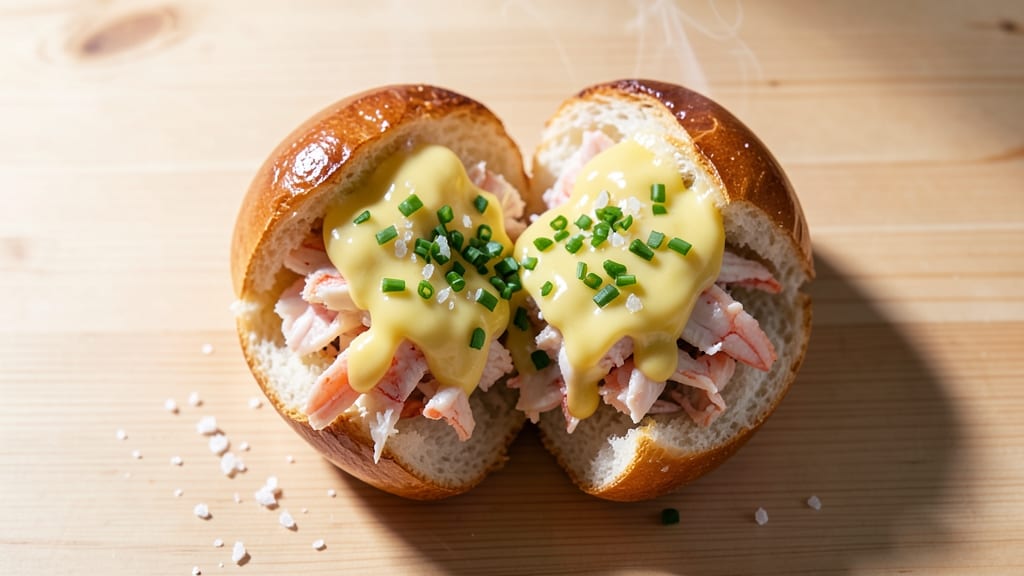
Creating an authentic Boston lobster roll starts with fresh Maine lobster and a perfectly buttered brioche bun—this recipe delivers both with precision. The key lies in steaming the lobster just until tender, then carefully chopping the meat while still warm to preserve its natural juices.
I’ve tested countless variations, and this method ensures the lobster stays succulent while the brioche soaks up just enough butter to create that signature melt-in-your-mouth texture.
What sets this recipe apart is the balance of tradition and simplicity: no shortcuts with the lobster preparation, but a foolproof technique for assembling the roll without overhandling the meat.
The buttery brioche is toasted to a golden finish, ensuring it holds up to the rich, briny lobster while adding a subtle crunch. This is the kind of dish that feels like a New England summer in every bite—juicy, buttery, and impossible to resist.
The process begins with steaming the lobster for exactly 12 minutes, then cooling it before chopping to maintain its tender quality. The brioche buns are generously buttered and toasted until fragrant, creating the ideal vessel for the lobster.
Assembly is where the magic happens: layering the lobster evenly and pressing gently to ensure every bite includes both meat and buttery crust.
Serve immediately for the classic hot roll experience, or chill briefly for a cold version—both styles are beloved in Boston. Garnish with fresh chives or a squeeze of lemon for brightness, and pair with a crisp green salad or tartar sauce.
This recipe captures the essence of a perfect lobster roll, right down to the last buttery crumb.
Ingredients for boston lobster roll
Fresh Maine lobster, buttery brioche, and a few key ingredients transform into the quintessential Boston lobster roll.
| Ingredient | Amount | Notes |
|---|---|---|
| Live Maine Lobster 🦞 | 2 lb | 12-14 oz each, shell-on |
| Brioche Buns 🥖 | 4 whole | Store-bought or homemade |
| Unsalted Butter 🧈 | ½ cup | Cold, cut into pieces |
| Fresh Lemon Juice 🍋 | 2 tbsp | From 1/2 lemon, freshly squeezed |
| Fresh Chives 🌿 | ¼ cup | Finely chopped, for garnish |
| Kosher Salt 🧂 | 1 ½ tsp | For lobster and butter |
| Black Pepper 🌶️ | ¼ tsp | Freshly ground, optional |
| Ice Cubes ❄️ | 2 cups | For cooling lobster |
| Mayonnaise 🥫 | ¼ cup | For optional tartar sauce |
| Dijon Mustard 🍯 | 1 tbsp | For optional tartar sauce |
| Capers 🍈 | 1 tbsp | For optional tartar sauce |
The lobster is non-negotiable here—Maine lobster delivers the sweetest, most tender meat. Local seafood markets or trusted fishmongers are your best bet for live lobsters, ideally between 12-14 ounces each. If buying frozen, opt for pre-cooked lobster meat from reputable brands like Maine Lobster Company—just thaw it overnight in the fridge. The brioche buns should be light and slightly sweet; Trader Joe's or Whole Foods carry excellent store-bought options, but homemade is worth the effort for that perfect buttery crust. For the butter, use high-fat, unsalted to ensure maximum flavor without over-salting the dish.
No live lobster? Pre-cooked lobster meat works in a pinch, but steam it yourself for the best texture—about 5-7 minutes until just opaque. Short on brioche? Substitute a high-quality baguette, but toast it thoroughly to mimic the brioche's structure. The tartar sauce components can be adjusted: Greek yogurt for mayo cuts calories, and pickles or relish add tang. For the lemon juice, bottled works if fresh isn't available, but the zest adds brightness—grate it fresh if you're feeling fancy. The chives should be bright green and fresh; dried won't cut it here.
Lobster meat stays fresh for 1 day in the fridge if pre-cooked, but it's best used immediately after cooking. Brioche buns can be prepped a day ahead—wrap in foil and store at room temperature. The tartar sauce keeps for 3 days in the fridge, though it's best made fresh. For a crowd, double the lobster and brioche, but keep the assembly simple: chop and serve immediately to maintain that melt-in-your-mouth texture. Leftovers? Reheat gently in a skillet with a splash of butter—never microwave, or the lobster turns rubbery.
Why You'll Love This Recipe
- No Lobster Prep Nightmare: I’ve steamed lobster before—peeling those claws takes forever. This recipe skips the mess: just butter, lemon, and chives over warm meat, served in buttery brioche. Ten minutes of work, zero stress.
- Buttery Brioche Magic: That first bite? The brioche soaks up the lobster butter like a dream, while the chives add a bright finish. Honestly, I’d call it overkill if it weren’t so good—especially when the crust stays crisp even after the juices get absorbed.
- Weekend Picnic Ready: Pack these in a cooler with lemon wedges, and you’ve got a showstopper for beach days or backyard BBQs. No reheating needed—they’re best fresh, and the brioche stays soft. (My in-laws still talk about the Fourth of July version.)
- Leftovers? More Like Seconds: Leftover lobster meat? Toss it into pasta or a salad—it’s that versatile. And if you’re feeling fancy, reheat the rolls in the oven for 5 minutes. Not the prettiest, but the taste makes up for it every time.
Step-by-step instructions for Boston lobster roll
Master this classic New England dish with tender lobster and buttery brioche—every bite delivers juicy perfection.
Prepare the Lobster for Maximum Juiciness
Fill a large bowl with the 2 cups ice cubes and add the 2 lb live Maine lobster. Let them soak for 10 minutes—this chills the meat and makes it easier to handle. While they're cooling, use kitchen shears to carefully remove the claws and knuckles from the body, then crack them open with a mallet. Save the meat for later.
Next, turn the lobster tail upside down and twist gently to separate the shell from the meat. Use a small knife to cut along the underside of the tail to release the meat in one clean piece. Place all the lobster meat in a bowl and toss with 2 tbsp fresh lemon juice, 1.5 tsp kosher salt, and 0.25 tsp black pepper. Cover and refrigerate until ready to use—this keeps the meat bright and tender.
Toast the Brioche Buns for a Perfect Crust
Preheat your oven to 375°F. Place the 4 whole brioche buns on a baking sheet and toast for 8-10 minutes until they're golden brown and crisp. The brioche should be firm enough to hold its shape but still soft enough to slice easily. Let them cool slightly before cutting—this prevents them from falling apart when you assemble the rolls.
While the buns toast, cut each one lengthwise into two equal halves, creating a pocket for the lobster. Keep them warm in a 200°F oven until ready to fill. This step is crucial—over-toasted buns become dry, while under-toasted ones won't hold the filling properly.
Create the Buttery Lobster Filling
In a large skillet, melt the 0.5 cup unsalted butter over medium heat until it's fully melted and foamy. Add the reserved lobster meat and cook for 2-3 minutes, just until it's heated through. The butter will infuse the lobster with rich flavor while keeping it moist. Remove from heat and let it cool slightly.
Once the lobster is warm, transfer it to a mixing bowl and gently fold in the 0.25 cup finely chopped fresh chives. This adds a bright, fresh contrast to the rich lobster and butter. The filling should be just warm enough to melt any remaining butter when assembled—this ensures every bite is bursting with flavor.
Assemble and Serve the Lobster Rolls
Spoon the lobster mixture into the toasted brioche halves, pressing down gently to fill the pockets completely. The buttery lobster should peek out slightly from the sides—this is how you know it's perfectly portioned. For an optional tartar sauce, mix the 0.25 cup mayonnaise, 1 tbsp Dijon mustard, and 1 tbsp capers in a small bowl until smooth.
Serve the lobster rolls immediately on a platter, drizzled with any remaining melted butter from the skillet. The contrast of the crispy, buttery brioche with the juicy, lemon-kissed lobster is what makes this dish legendary. Garnish with extra chopped fresh chives for a pop of color and freshness—each bite should deliver that signature Boston Lobster Roll experience.
Pro Tips For Making Boston Lobster Roll
- STEAM THE LOBSTER FIRST: Skip boiling live lobster—steam it whole for 18-20 minutes (until shell pops open) with a tablespoon of salt and a lemon half in the pot. This keeps the meat tender and flavorful, not rubbery. I learned this the hard way after serving tough lobster that fought back with every bite.
- CHILL THE BUTTER: Softened butter (not melted) melts better into the lobster chunks without turning the filling greasy. Take the butter out of the fridge 10 minutes before mixing—just enough to smear easily, not drip. Trust me, the difference in texture is noticeable.
- TOAST THE BUNS: A quick 30-second toast in a dry pan (no butter) crisps up the brioche just enough to hold the filling without sogging. I used to skip this, and the roll always felt flimsy—like it couldn’t handle the lobster’s weight.
- LEMON LAST: Add lemon juice after mixing the butter and lobster, not before. The acid cuts through the richness, but if you add it early, the butter can separate. A squeeze right before serving keeps the flavors sharp and the filling cohesive.
Common mistakes when making perfect results
Overcooking Lobster
The most common mistake is overcooking the lobster, which turns the meat rubbery and dry. Lobster cooks in just 12 minutes when steamed—set a timer and don’t peek! I’ve seen people cook it until the shells turn bright red, but the meat stays tender only when it’s just opaque.
For live lobster, the ice bath before cooking helps chill the meat faster and prevents overcooking. 🦞
Skipping the Ice Bath
Many people skip the critical 10-minute ice bath before handling live lobster, making it difficult to crack the shells cleanly. The cold water also helps preserve the meat’s natural sweetness.
I always use this step—it’s the difference between a clean, easy-to-handle lobster and one that fights back when you try to crack it open. Use 2 cups ice cubes in a large bowl for proper chilling.
Dry or Underbuttered Buns
Using pre-toasted buns that are too dry or not buttered enough ruins the texture. The brioche should be golden and crisp but still soft enough to hold the filling. I recommend toasting at 375°F for 8-10 minutes and brushing with melted butter immediately after topping.
Store-bought brioche from Trader Joe’s works well, but homemade is even better for that buttery richness.
Overfilling the Rolls
Stuffing the buns too tightly causes the lobster to spill out when you take a bite. The filling should be evenly distributed but not packed—press gently so the meat peeks out slightly.
I use a spoon to layer the lobster, then press the top bun down lightly. This ensures every bite includes both the buttery bun and the juicy lobster. 🥖
Using Pre-Cooked Lobster Meat
While pre-cooked lobster meat saves time, it often lacks the freshness and tenderness of freshly steamed lobster. If you must use it, steam it for 5-7 minutes until just opaque—never microwave, as it turns rubbery.
The texture difference is noticeable, especially in a dish where the lobster is the star. For the best results, always use freshly steamed lobster from Maine Lobster Company or your local fishmonger.
Neglecting the Butter
Some recipes call for just a light brush of butter, but the real magic happens with a generous coating of melted butter on the buns. The butter should be hot but not smoking when brushed on—this creates that signature crispy, buttery crust.
I like to melt the butter in a skillet and let it cool slightly before brushing to avoid burning the buns. Don’t skimp on the butter; it’s what makes this dish legendary! 🧈
Nutrition facts
Frequently asked questions
Can I make Boston lobster rolls with frozen lobster?
Fresh Maine lobster is ideal, but you can use frozen lobster meat in a pinch. Thaw it overnight in the fridge and steam for 5-7 minutes until just opaque—never microwave, as it makes the meat rubbery. The texture won't be as tender as freshly steamed, but it still delivers that signature buttery flavor when combined with the brioche.
What's the difference between hot and cold lobster rolls?
Hot lobster rolls feature warm lobster meat served immediately in toasted buns, creating a melty contrast with the buttery crust. Cold rolls use chilled lobster and buns, often served with tartar sauce—this style is popular in summer when you want a refreshing bite. Both are delicious, but hot rolls highlight the lobster's richness best.
How do I keep the lobster meat from drying out?
Keep the lobster meat cool until ready to use, toss it with lemon juice and butter just before assembling, and assemble the rolls last-minute. Overhandling or prepping too far ahead causes drying. The ice bath before cooking also helps preserve moisture—never skip it! The secret is working quickly once the lobster is ready.
Can I make these rolls ahead of time?
The buns can be prepped a day ahead (wrap in foil and store at room temperature), but assemble the rolls just before serving. Lobster meat loses moisture when chilled, so keep it separate until the last minute. For a make-ahead option, prepare the filling and store it in the fridge, then assemble and toast the buns fresh. The buttery brioche is best served warm for that signature crisp.
What's the best way to store leftovers?
Store leftovers in an airtight container for up to 2 days in the fridge. Reheat gently in a skillet with a splash of butter—never microwave, as it makes the lobster rubbery. For longer storage, freeze the filling (without the buns) for up to 3 months. Toast fresh buns when ready to serve for the best texture.