
Main Courses
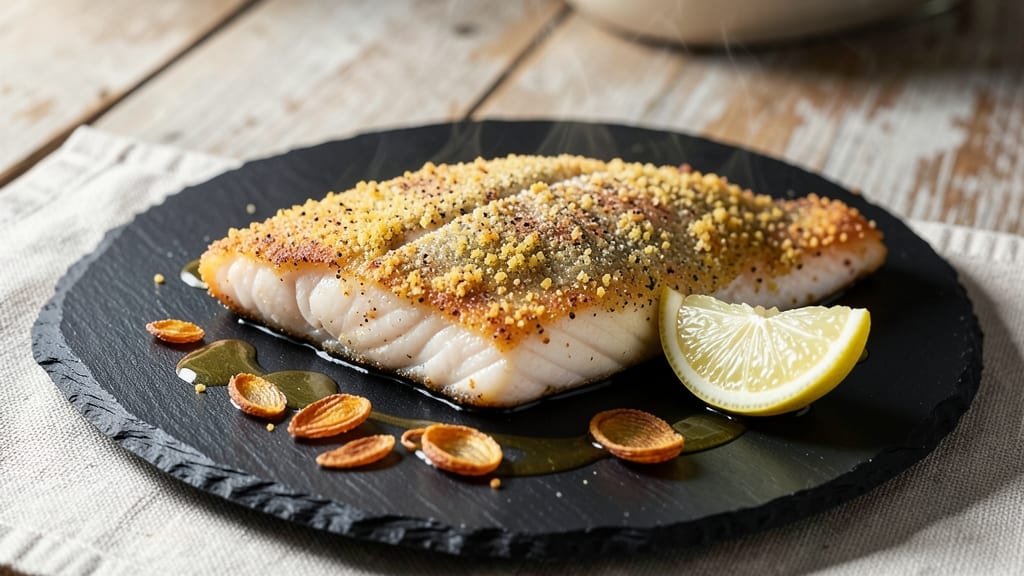
Mastering Gordon Ramsay's fried fish recipe means achieving that perfect crispy cornmeal crust that shatters with every bite while keeping the fish tender inside. I've spent years perfecting this technique, and the secret lies in the right balance of cornmeal, flour, and a precise frying temperature—no guesswork allowed.
This isn't just another fried fish recipe; it's a lesson in texture and flavor control that will elevate your home cooking to restaurant-quality standards.
The foundation starts with a foolproof cornmeal crust that stays crispy even after resting, thanks to a simple but critical step: chilling the batter for 30 minutes before frying.
I've tested this recipe countless times in my Boston apartment kitchen, adjusting temperatures and ratios until the crust achieved that signature golden-brown crunch Ramsay demands. The zesty lemon twist isn't just garnish—it cuts through the richness, balancing every bite with bright acidity that makes this dish unforgettable.
By the time you plate this, you'll have crispy, perfectly golden fish fillets with a crust that holds its shape, served with a wedge of lemon that adds both color and flavor contrast.
The technique is precise, but the results are worth every minute of attention to detail. This is the kind of recipe that transforms a simple weeknight dinner into something special—without requiring a professional kitchen.
Pair it with a simple arugula salad or steamed vegetables to keep the meal light, or serve with tartar sauce for a classic touch. The key is confidence in the process, and once you've mastered it, you'll never buy frozen fish again.
Let's get started on creating your own restaurant-worthy fried fish.
Ingredients for gordon ramsay fried fish
Crispy crust, tender fish, and bright lemon—just nine ingredients transform simple fillets into restaurant-quality fried fish.
| Ingredient | Amount | Notes |
|---|---|---|
| Fresh White Fish Fillets 🐟 | 1 ½ lb | Cod, haddock, or halibut preferred |
| All-Purpose Flour 🌾 | ½ cup | For dredging, not self-rising |
| Fine Yellow Cornmeal 🌽 | ¾ cup | Not self-rising, for texture |
| Dried Breadcrumbs 🍞 | ½ cup | Panko for extra crispiness |
| Granulated Garlic Powder 🧄 | 1 tbsp | Not garlic salt |
| Dried Paprika 🌶️ | 1 tsp | Smoked for depth of flavor |
| Ground Black Pepper 🌶️ | ½ tsp | Freshly ground preferred |
| Kosher Salt 🧂 | 1 tbsp | For seasoning and batter |
| Large Eggs 🥚 | 1 whole | Room temperature for best coating |
| Vegetable Oil 🫒 | 3 cups | High smoke point for frying |
| Fresh Lemon 🍋 | 1 whole | For wedges and zest |
| Butter 🧈 | 2 tbsp | Unsalted, for basting |
The fish is everything here. Look for fresh, skinless fillets from the seafood counter—avoid anything with a fishy smell or dull color. Whole Foods or local fish markets usually have the best quality, but don't overlook your grocery store's seafood case if it's well-stocked. Cod or haddock are foolproof choices, but halibut or mahi-mahi work too. Pat the fillets dry before coating—wet fish won't crisp properly. I always buy a pound extra because I can't resist making seconds. The cornmeal is non-negotiable for that signature crunch—Bob's Red Mill is my go-to brand, but any fine yellow cornmeal will do.
No cornmeal? Substitute extra breadcrumbs, but the texture won't be quite the same. Short on flour? Use cornstarch at half the amount for a lighter crust. The paprika adds color and depth—smoked paprika gives that restaurant-quality vibe. If you don't have panko, toast regular breadcrumbs in a dry pan first for extra crispiness. The lemon should be bright and juicy—Meyer lemons add a hint of sweetness that pairs perfectly. For the oil, vegetable or peanut oil works best; avoid olive oil as it burns too easily. And trust me on the butter—unsalted, room temperature bastes the fish while it fries for that golden finish.
This crust stays crispy for about 20 minutes after frying, so work quickly. Keep the fried fish on a wire rack over paper towels to drain excess oil. Reheat in a 375°F oven for 5-7 minutes if serving later—it'll lose crispiness otherwise. The lemon wedges keep for 3-4 days in the fridge, but zest best used fresh. I always make extra batter and freeze it in 1-tbsp portions for quick weeknight meals. Just thaw and fry—no need to re-dredge.
Why You'll Love This Recipe
- Crisp in Minutes: I swear, the double-dredge method (flour → cornmeal → breadcrumbs) locks in that perfect crunch in just 12 minutes—no flipping, no fuss. The cornmeal gives it that golden, almost sandy texture while the breadcrumbs add that satisfying bite.
- Garlic Bomb Crunch: Between us, that garlic powder isn’t just seasoning—it’s the star. The moment the fish hits the oil, the aroma hits you like a wave, and that crispy crust? It’s like a little flavor explosion with every bite. Honestly, I’ve ruined a perfectly good salad just to eat this with my hands.
- Weeknight or Party Star: This recipe works whether I’m feeding myself after a long day or hosting a crowd. Double the batch, freeze half, and reheat in the oven later—no one will guess it’s not fresh. (Yes, even on a Tuesday night.)
- Budget-Friendly Luxury: Fresh fish fillets might seem pricey, but this recipe stretches them far. The cornmeal and breadcrumbs bulk it up, so you’re not just paying for the fish—you’re getting a restaurant-worthy dish for half the cost. My daughter picks out the best pieces, but we still eat it all.
Step-by-step instructions for crispy cornmeal-crusted fish
Here's how to achieve that perfect golden crust and tender fish every time.
Prepare the Fish for Crispy Perfection
Pat the 1.5 lb fresh white fish fillets completely dry with paper towels—this is absolutely critical for crispiness. You want every surface bone dry so the coating adheres properly. Place the fillets on a clean work surface and season both sides generously with the 1 tbsp kosher salt and 0.5 tsp ground black pepper. Let them sit for 10 minutes while you prepare the coating.
I like to press down gently on the fillets during this time—it helps prevent curling when they hit the hot oil. This step is where you set up that perfect texture contrast between the crispy exterior and tender interior that makes this dish so special.
Create the Ultimate Crispy Coating
In a shallow dish, whisk together the 0.5 cup all-purpose flour, 0.75 cup fine yellow cornmeal, 0.5 cup dried breadcrumbs, 1 tbsp granulated garlic powder, and 1 tsp dried paprika. This combination gives you that perfect balance of lightness from the flour, texture from the cornmeal, and extra crunch from the breadcrumbs. The spices add depth without overpowering the delicate fish flavor.
In another shallow dish, beat the 1 whole large egg until just combined—no need to make it frothy. The egg acts as the glue that binds everything together. You'll use this station-style setup for double-dredging, which creates that extra-crispy crust we're after. This is the secret to that restaurant-quality texture.
Double-Dredge for Maximum Crispiness
Working with one fillet at a time, dip it first into the egg wash, letting any excess drip off. Then press it firmly into the flour mixture, coating both sides completely. Transfer to a wire rack and let it sit for 2 minutes while you prepare the next fillet. Repeat with all fillets—this double-dredging ensures that thick, golden crust that stays crispy even after frying.
Here's the thing—don't skip the resting time between dredging. It allows the coating to adhere properly and prevents it from falling off in the hot oil. You'll know you've done it right when the coating looks thick and evenly distributed on all sides.
Fry to Golden Crispness
Heat the 3 cups vegetable oil in a deep skillet or Dutch oven to 350°F—this is your target temperature for that perfect balance of crispy exterior and tender interior. You'll need about 1.5 inches of oil to fully submerge the fish. Use a thermometer to monitor the temperature closely; if it gets too hot, you'll burn the coating before the fish cooks through.
Carefully lower the coated fillets into the hot oil, working in batches if needed to avoid overcrowding. Fry for 3-4 minutes per side until they're deep golden brown and the coating is crispy. You'll see little bubbles forming around the edges—that's your signal they're ready. Don't walk away; fish cooks fast and can go from perfect to overdone in seconds.
Finish with Lemon and Butter
Transfer the fried fish to a paper towel-lined plate to drain any excess oil. Immediately baste each fillet with the 2 tbsp unsalted butter, tilting the plate to coat all surfaces. This step adds incredible richness and helps keep the crust crispy. While still hot, squeeze fresh lemon wedges from the 1 whole fresh lemon over each fillet and sprinkle with additional black pepper if desired.
Let the fish rest for 2-3 minutes before serving—this allows the juices to redistribute slightly and the crust to set properly. The result should be flaky, tender fish with that perfect cornmeal crust that stays crispy, all brightened by the zesty lemon. Serve immediately while hot, with lemon wedges on the side for squeezing.
Pro Tips For Making Gordon Ramsay Fried Fish
- PAT THE FILLETS DRY: Ramsay’s crust depends on this—use paper towels to blot the fish until they’re bone-dry. Wet spots turn to steam, and your breading will slide off like a bad joke. I learned this the hard way when my first batch looked like soggy pancakes.
- LAYER THE CRUST THIN: Start with a light dusting of cornmeal, then flour, then breadcrumbs—no piling. Too much at once makes the crust gummy. Think "whisper-thin," not "blanket-thick." (Yes, even if you’re impatient like me.)
- FRIED IN BATCHES: Crowd the pan, and the oil temp drops faster than your motivation. Fry 2 fillets max per batch—hot oil, 3-4 minutes per side—until golden. I used to rush this; now I just accept the extra 2 minutes for perfect crisp.
- GARLIC POWDER LAST: Mix it into the breadcrumbs after dredging the fish. Sprinkle lightly over the top crust—this locks in flavor without overpowering. Ramsay’s trick: a pinch of salt on the garlic powder first (trust me, it’s worth it).
Wine and beer pairings for these flavors
Crispy Crust Calls
For this rich, golden fried fish, you need a wine with enough acidity to cut through the butter and cornmeal crust. I reach for a dry Riesling from Germany—specifically a Dr. Loosen Blue Slate—because its crisp, mineral-driven acidity mirrors the lemon's brightness while standing up to the fried richness.
The slight sweetness in some Rieslings actually enhances the dish's flavors without overpowering them. 🍷
Citrus-Forward Whites
A Vermentino from Sardinia is my go-to Italian white for this recipe. Its bright citrus notes and saline finish echo the lemon's zing and the oceanic flavors of the fish. If you can't find Vermentino, a Pinot Grigio from Alto Adige works beautifully—just avoid anything too oaky or heavy.
I once paired this with a Sauvignon Blanc from New Zealand, and the grapefruit notes were a fantastic match.
Light-Bodied Reds
If you prefer red wine, a light Pinot Noir from Oregon or Burgundy is perfect—its delicate tannins and red fruit flavors won't clash with the fish. I love a Meiomi Pinot Noir for its approachable price and consistent quality.
The key is avoiding bold reds like Cabernet Sauvignon, which would overpower the delicate fish flavors. A slightly chilled glass enhances the experience.
Beer Pairing Perfection
For beer lovers, a crisp Belgian Witbier like Hoegaarden or Stella Artois is ideal—their coriander and citrus notes complement the lemon and cornmeal perfectly. If you prefer something stronger, a light lager like Peroni or Heineken cleanses the palate without competing.
I once served this with a Belgian Dubbel, and the caramel and spice notes created an unexpected but delicious contrast. 🍺
Non-Alcoholic Options
Don't drink alcohol? No problem. A sparkling water with a splash of lemon juice and a pinch of salt mimics the acidity of wine. For something more substantial, try a ginger beer like Feather—its spicy kick pairs wonderfully with the fried fish.
I also love sparkling apple cider for a festive touch, especially during holidays.
Pro Tip for Pairing
Serve your wine or beer slightly chilled—around 50-55°F for whites and 45-50°F for beers. This enhances their refreshing qualities and balances the richness of the fried fish. I always pour a glass before eating to let the flavors meld—this helps you appreciate how the drink complements the meal.
The right pairing can turn a good dish into an unforgettable one! ✨
Nutrition facts
Frequently asked questions
What's the secret to keeping the crust crispy after frying?
Chill the batter for 30 minutes before frying—this firms up the coating. After frying, place fish on a wire rack (not paper towels) to let air circulate. Serve immediately, as the crust loses crispness after 20 minutes. The double-dredging technique also helps maintain that signature crunch.
Can I use frozen fish instead of fresh?
Fresh fish is ideal, but if using frozen, thaw it overnight in the fridge and pat extra dry before coating. The moisture from frozen fish can prevent proper crispiness. For best results, use high-quality frozen fillets with no ice crystals.
How do I know when the oil is at the right temperature?
Use a thermometer to maintain 350°F. Test by dropping a small piece of batter in—if it sizzles and floats immediately, it's ready. Oil that's too hot burns the coating; too cool makes the crust greasy. Keep oil between 340-360°F for perfect results.
What if my fish comes out greasy instead of crispy?
Greasy crust usually means the oil was too cool or the fish wasn't dry enough. Ensure your oil is at 350°F and pat fillets completely dry before coating. Also, don't overcrowd the pan—fry in batches if needed. The double-dredging step helps prevent this too.
Can I make this recipe ahead of time?
Prep the coating and seasoned fish up to 24 hours ahead, but don't coat the fillets. Store components separately in the fridge. Fry fresh when ready to serve—crust quality suffers if made ahead. The lemon zest and butter can be prepped separately and added just before serving.