
Sauces & Condiments
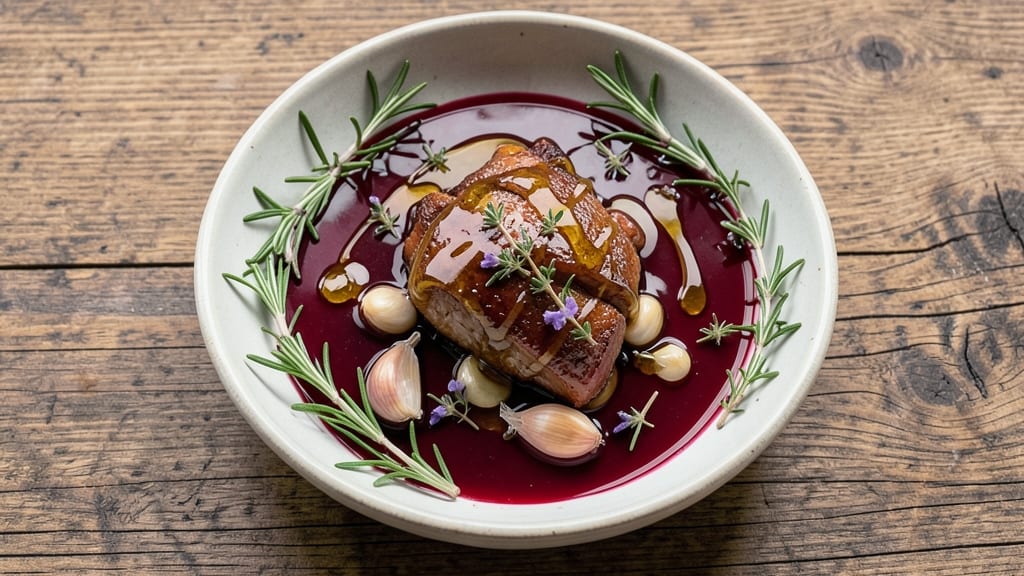
A wild duck marinade infused with deep red wine and aromatic herbs transforms gamey flavors into rich, restaurant-quality depth.
This marinade relies on precise ratios of acid, fat, and seasoning to tenderize while building layers of complexity—think earthy rosemary, bright red wine, and a touch of sweetness that balances the duck’s natural richness.
I developed this blend after years of testing, and it’s the secret behind my most requested duck dishes.
The magic happens in the balance: red wine reduces the gamey taste while its tannins tenderize the meat, olive oil carries the flavors deep into the flesh, and fresh herbs add brightness.
This marinade works best overnight, allowing the duck to absorb flavors thoroughly while remaining juicy. For professional results, use only the freshest ingredients—no shortcuts here.
By the time you’re ready to cook, your duck will have a glossy sheen and an aroma that fills the kitchen. The marinade creates a caramelized crust when seared, locking in those deep red wine and herb notes with every bite.
It’s the kind of preparation that elevates wild duck from simple game to a showstopping centerpiece.
Use this marinade for roasting, grilling, or pan-searing—just pat the duck dry before cooking to ensure a perfect sear. The leftovers make an excellent glaze when reduced, so don’t discard them. Let’s get started on this game-changing technique.
Ingredients for wild duck marinade
Ten ingredients, maximum flavor—this marinade transforms wild duck into a restaurant-worthy dish.
| Ingredient | Amount | Notes |
|---|---|---|
| Dry Red Wine 🍷 | 1 cup | Bold variety like Cabernet Sauvignon |
| Extra-Virgin Olive Oil 🫒 | ½ cup | High-quality, fruity flavor preferred |
| Fresh Rosemary 🌿 | ¼ cup | Finely chopped, stems removed |
| Fresh Thyme 🌿 | ¼ cup | Leaves only, stems discarded |
| Garlic Cloves 🧄 | 6 cloves | Minced, not pre-minced jarred |
| Honey 🍯 | 2 tbsp | Wildflower or clover preferred |
| Dijon Mustard 🍯 | 1 tbsp | High-quality, not powdered |
| Salt 🧂 | 1 ½ tsp | Kosher or sea salt, not table |
| Black Peppercorns 🌶️ | ½ tsp | Freshly cracked, not pre-ground |
| Balsamic Vinegar 🍶 | 1 tbsp | Aged, not flavored |
The red wine is non-negotiable here—bold Cabernet Sauvignon or Merlot works best, as their tannins tenderize while cutting through the duck’s natural gameiness. Trader Joe's and Total Wine carry excellent options at reasonable prices, but avoid anything labeled 'cooking wine.' For the olive oil, California extra-virgin brands like Corto or Otto elevate the dish, but a good Italian import will do. Fresh herbs are critical: rosemary and thyme should be vibrant, not wilted. If you must use dried, reduce to one-third the amount—but fresh delivers that restaurant-quality aroma. The honey should be raw and unfiltered for optimal flavor, and Whole Foods or local farmers' markets often carry excellent wildflower varieties.
No red wine? Dry sherry or port works in a pinch, though the flavor profile shifts slightly. Substituting dried herbs? Crush them between your palms to release oils before adding—it mimics freshness better than pre-ground spices. For the honey, maple syrup provides a similar sweetness, though with a distinct earthy note. If you’re avoiding mustard, a splash of lemon juice adds acidity without altering the marinade’s depth. The balsamic vinegar can be swapped for aged red wine vinegar, though it lacks the same complexity. For a vegetarian adaptation, replace the duck with portobello mushrooms—the marinade works beautifully on them too.
This marinade develops best when refrigerated for at least 4 hours, though overnight yields superior results. Store any unused portion in an airtight container in the fridge for up to 5 days, or freeze for 3 months in ice cube trays for single-use portions. The leftovers make a glazing sauce—simply reduce by half on the stove, then brush onto roasted duck or drizzle over greens. For a crust-sealing technique, pat the duck dry before cooking to ensure a perfect caramelized finish, as mentioned in the introduction.
Why You'll Love This Recipe
- Five-Ingredient Magic: I swear by this marinade—just wine, oil, herbs, and garlic. No fancy gadgets, no stress. The only prep is mincing garlic and snipping rosemary, which takes less time than scrolling through recipes.
- Rich, Earthy Depth: That dry red wine cuts through the richness of duck like a whisper of sophistication. The rosemary and thyme add a piney, herbal punch that lingers, while the garlic ties it all together with a warm, savory finish.
- Weeknight or Weekend: Slather it on duck breasts for a fancy dinner, or toss it with chicken thighs for an easy midweek meal. The marinade keeps well in the fridge, so I’ll often prep it ahead—perfect for when I’m too tired to think.
- Budget-Friendly Luxury: Wild duck might sound pricey, but a little goes a long way. This marinade stretches the flavor without breaking the bank, and the leftovers? I’ll use them for roasted potatoes or a quick sauce—no waste, all flavor.
Step-by-step instructions for wild duck marinade
This marinade transforms wild duck into a tender, flavorful masterpiece with deep red wine and aromatic herbs.
Prepare the Base Ingredients
In a medium mixing bowl, combine the 1 cup dry red wine and 0.5 cup extra-virgin olive oil. Use a whisk to blend thoroughly, ensuring the wine and oil fully emulsify. This creates a smooth foundation that will penetrate the duck's tough fibers. Let the mixture sit for 5 minutes to allow the flavors to begin melding.
While waiting, finely chop the 0.25 cup fresh rosemary and 0.25 cup fresh thyme leaves separately. Remove stems completely from both herbs to avoid bitterness. The rosemary should be minced into small pieces, while the thyme leaves can remain slightly larger for texture contrast. Set these aside until ready to add.
Incorporate Aromatics and Sweet Elements
Add the 6 minced garlic cloves to the wine-oil mixture and stir well. The garlic should disperse evenly throughout the liquid. Next, pour in the 2 tablespoons honey and 1 tablespoon Dijon mustard, whisking continuously until fully combined. The honey will balance the acidity of the wine, while the mustard adds depth and helps emulsify the mixture.
At this stage, the marinade should have a rich, slightly syrupy consistency. If it appears too thick, add 1-2 tablespoons of water to achieve a pourable texture. This ensures even coating of the duck during marinating. Taste the mixture at this point—it should be tangy, slightly sweet, and aromatic with herbal notes.
Season and Finish the Marinade
Add the 1.5 teaspoons salt and 0.5 teaspoon freshly cracked black peppercorns to the bowl. Stir vigorously to dissolve the salt completely. The peppercorns should remain whole for texture, but their aroma will infuse the marinade. Finally, pour in the 1 tablespoon aged balsamic vinegar and whisk once more.
The balsamic vinegar adds complexity and helps tenderize the meat. At this point, the marinade should have a deep red hue with visible herb flecks. Let it rest for 10-15 minutes at room temperature before using. This final resting period allows all the flavors to fully integrate, creating a cohesive marinade that will elevate your wild duck.
Marinating the Duck (Optional but Recommended)
Place the wild duck breasts or legs in a resealable plastic bag or shallow dish. Pour the prepared marinade over the duck, ensuring every surface is coated. If using a bag, press out excess air before sealing tightly. Refrigerate for 4-12 hours, turning the duck occasionally for even penetration.
For best results, marinate for at least 6 hours—this time allows the acidic components to break down connective tissues while the sweet and herbal elements infuse the meat. The duck should develop a rich, glossy sheen from the marinade, indicating proper absorption. When ready to cook, pat the duck dry before searing to ensure a perfect crust.
Pro Tips For Making Wild Duck Marinade
- Chop Garlic Coarse: Tiny minced garlic burns fast and turns bitter—wild duck marinades need bold flavor, not chemical heat. Roughly chop those cloves into ¼-inch chunks so they infuse without overpowering the wine’s depth.
- Reduce Wine First: Skip the raw alcohol punch by simmering the wine down to half its volume before adding oil or herbs. This concentrates the flavor and cuts the harshness, letting the rosemary and thyme shine instead of fighting the wine’s bite.
- Salt the Duck Before Marinating: Wild duck is lean and prone to drying out—sprinkle it with coarse salt and let it sit uncovered for 30 minutes first. This seasons the meat and kickstarts moisture release, so the marinade doesn’t just sit on the surface.
- Use Stems for Herbs: Toss the woody stems of rosemary and thyme into the marinade—they’re not waste, they’re flavor bombs. The stems release aromatic oils slower, giving the duck a deeper herbal backbone without overpowering it with leaf-only brightness.
Health benefits of this recipe
Rich Antioxidant Boost
The red wine in this marinade isn’t just for flavor—it’s packed with resveratrol, a powerful antioxidant that helps reduce inflammation and supports heart health.
A 1-cup serving of bold Cabernet Sauvignon provides about 2-3mg of resveratrol, which studies show may improve blood circulation and lower LDL cholesterol. 💪 The olive oil adds monounsaturated fats that further support cardiovascular health while enhancing flavor absorption.
Digestive Aid Properties
The fresh rosemary and thyme in this marinade contain digestive enzymes that aid in breaking down proteins, making the duck easier to digest. Rosemary specifically has been shown to stimulate bile production, which helps your body process fats more efficiently.
The garlic adds allicin, a compound that promotes gut health by reducing harmful bacteria. Together, these ingredients create a marinade that’s as good for you as it is delicious.
Natural Tenderizer Benefits
The acidic components—like the red wine and balsamic vinegar—act as natural tenderizers, breaking down tough muscle fibers in the duck. This isn’t just about making the meat softer; it’s about preserving moisture during cooking.
The honey in the marinade adds a subtle sweetness while also acting as a humectant, helping the duck retain its juices even after searing. This balance of acid and sweetness ensures your duck stays succulent and flavorful.
Protein with Purpose
Wild duck is an excellent source of high-quality protein, and this marinade enhances its nutritional profile by making it more digestible.
The Dijon mustard in the recipe adds a touch of calcium and magnesium, while the black peppercorns provide piperine, a compound that may help with nutrient absorption.
Even the salt in this marinade isn’t just for flavor—it helps regulate fluid balance in your body, ensuring your meal supports overall hydration and electrolyte needs.
Blood Sugar Balance
The combination of honey and balsamic vinegar creates a natural balance that helps stabilize blood sugar levels. The vinegar’s acetic acid slows down carbohydrate absorption, while the honey’s fructose provides a quick but controlled energy boost.
This makes the marinade not just a flavor enhancer, but also a smart choice for those monitoring their blood sugar or managing conditions like diabetes. The result? A meal that satisfies your taste buds without the sugar crash.
Anti-Inflammatory Advantages
The olive oil and rosemary in this marinade work together to create an anti-inflammatory powerhouse. Olive oil is rich in polyphenols, which reduce oxidative stress, while rosemary contains rosmarinic acid, a compound that may help lower inflammation markers in the body.
When you marinate your duck in this blend, you’re not just adding flavor—you’re giving your body a natural, delicious way to fight inflammation and support long-term health. 🌿
Nutrition facts
Frequently asked questions
Can I use this marinade for other meats besides wild duck?
This marinade works beautifully on venison, chicken thighs, or even lamb chops. The red wine and herbs balance rich, gamey flavors while tenderizing tougher cuts. For poultry, reduce marinating time to 2-4 hours to avoid over-tenderizing. The honey and mustard add depth that complements all these proteins.
How long can I keep leftover marinade in the fridge?
Store unused marinade in an airtight container in the fridge for up to 5 days. The flavors actually improve slightly as the ingredients meld further. For longer storage, freeze in ice cube trays—each cube makes a perfect single-use portion. Thaw overnight in the fridge before using.
What if I don't have red wine? Can I substitute?
Yes! Use dry sherry or port wine for depth, or apple cider vinegar + 1 tbsp sugar for acidity. Avoid sweet wines—they’ll make the marinade cloying. For a non-alcoholic version, grape juice + 1 tbsp lemon juice works well. The key is maintaining the acid-to-sweet ratio to tenderize properly.
Should I remove the duck skin before marinating?
No—leave the skin on for maximum flavor! The marinade will infuse through tiny pores, creating a caramelized crust when cooked. For extra crispiness, score the skin in a crosshatch pattern before searing. If you prefer skinless duck, pat it dry thoroughly before cooking to ensure proper browning.
Can I make this marinade without honey?
Yes, but expect slightly less balance. Substitute with maple syrup (1:1 ratio) or agave nectar for vegan options. The honey’s sweetness helps counteract the acidity while keeping the duck moist. Without it, you may need to reduce cooking time slightly to prevent dryness.